
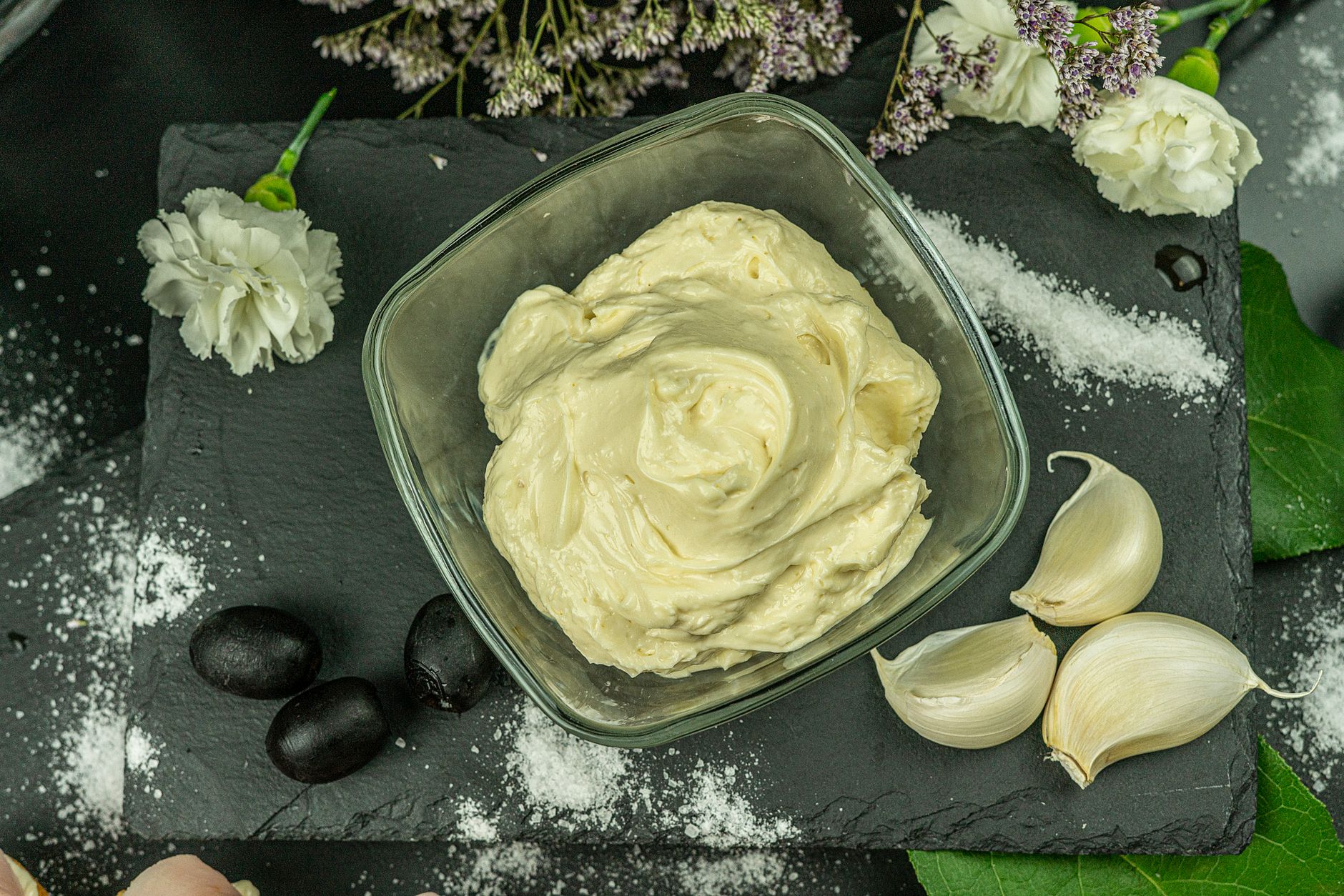
Aïoli is a popular Mediterranean condiment that features a vibrant profile, primarily composed of garlic and olive oil. Its creamy texture and robust flavor have made it a staple in various cuisines, particularly in France and Spain. Aïoli is not just a delicious dip; it can elevate a wide range of dishes with its savory richness.
This article delves into what aïoli is, including its traditional preparation methods, variations, and how to serve it. Whether you’re looking to enhance your meal with this flavorful sauce or experiment with alternatives, understanding aïoli will enrich your culinary repertoire.
What Is Aïoli?
Aïoli is a Mediterranean sauce characterized by its base ingredients of garlic and olive oil, traditionally emulsified to create a thick, creamy texture. While it often contains egg yolks or additional flavorings, its identity as “aïoli” stems from the combination of “ail” (French for garlic) and “oli” (Catalan for oil). This rich dip embodies the rustic flavors of its origins and serves multiple culinary purposes.
Ingredients of Aïoli
Understanding the typical ingredients found in aïoli can help you appreciate its unique flavor profile and versatility. Here are the core components:
- Garlic: Fresh garlic cloves are essential for aïoli, providing the strong, aromatic flavor that defines the sauce.
- Olive Oil: Extra virgin olive oil is preferred for its rich flavor. It helps create the smooth consistency and adds a fruity aroma.
- Salt: A pinch of salt enhances the overall flavor and balances the garlic’s pungency.
- Lemon Juice: Freshly squeezed lemon juice adds acidity, brightening the sauce and preserving its freshness.
- Egg Yolk (Optional): Some variations of aïoli include egg yolk to aid in emulsification, creating a silkier texture similar to mayonnaise.
Flavor Profile
Aïoli boasts a complex flavor profile that is both rich and pungent. The dominant garlic flavor is complemented by the fruity and slightly peppery notes of the olive oil. The addition of lemon juice introduces a refreshing acidity that balances the sauce, while a pinch of salt enhances the overall taste. Depending on the ratio of garlic to oil, aïoli can range from mildly garlicky to intensely aromatic.
How to Make Traditional Aïoli
Making aïoli from scratch is a straightforward process, requiring only a few ingredients and some manual effort or modern kitchen appliances. Here is a classic recipe for traditional aïoli.
- Yield: Approximately 1 cup
- Preparation time: 10 minutes
- Total time: 10 minutes
Ingredients
- 3-4 garlic cloves, peeled
- 1 teaspoon salt
- 1 egg yolk (optional)
- 1 cup extra virgin olive oil
- 1-2 tablespoons lemon juice (to taste)
Essential Equipment
- Mortar and pestle or garlic press
- Whisk or immersion blender
- Bowl
Method
- In a mortar and pestle, combine the garlic cloves and salt. Grind them into a paste, ensuring the garlic is thoroughly crushed.
- If using, add the egg yolk to the garlic paste, whisking together until incorporated.
- Gradually drizzle in the olive oil, mixing continuously. It is crucial to add the oil slowly to ensure proper emulsification.
- Once you have a thick sauce, stir in the lemon juice to taste. Adjust the seasoning as needed.
Common Variations of Aïoli
Aïoli can be tailored to suit various palates and culinary uses. Here are some popular variations that incorporate additional ingredients for different flavors:
- Herbed Aïoli: Adding fresh herbs like parsley, dill, or basil can provide aromatic undertones and a vibrant green color.
- Spicy Aïoli: Include red pepper flakes, cayenne, or sriracha for an added kick, making it perfect for dipping fried foods or as a sauce for sandwiches.
- Chipotle Aïoli: Combining chipotle peppers in adobo sauce with traditional aïoli creates a smoky, spicy variation, ideal for drizzling on tacos or burgers.
- Lemon-Dill Aïoli: Incorporate fresh dill and more lemon juice for a light, tangy sauce that complements seafood dishes beautifully.
Serving Suggestions
Aïoli can elevate numerous dishes, adding flavor and richness. Here are some popular ways to serve it:
- With Vegetables: Perfect as a dip for fresh or roasted vegetables, aïoli pairs well with bell peppers, carrots, and asparagus.
- As a Sandwich Spread: Use aïoli in place of mayonnaise or mustard on sandwiches and wraps for an extra layer of flavor.
- With Seafood: Serve aïoli alongside grilled fish, shrimp, or calamari for enhanced taste and texture.
- As a Dipping Sauce: Aïoli pairs beautifully with fries, onion rings, and chicken tenders, providing a gourmet touch to casual snacks.
- In Pasta Dishes: Toss pasta with aïoli, vegetables, or protein for a quick and flavorful meal.
Common Mistakes When Making Aïoli
While aïoli is simple to prepare, a few common mistakes can hinder the desired results:
- Adding Oil Too Quickly: Rushing to add the oil can prevent proper emulsification, resulting in a broken sauce. Drizzle slowly while whisking continuously.
- Using Old Garlic: Fresh garlic is critical to achieving the best flavor. Old or sprouted garlic can impart bitterness.
- Not Adjusting Seasoning: Always taste your aïoli before serving; it may need additional salt or lemon juice for balance.
- Improper Storage: Aïoli is best consumed fresh, but if necessary, it can be stored in an airtight container in the refrigerator for up to three days.
How to Store and Reheat Aïoli
Aïoli is best used fresh as its flavors and texture can change over time. However, if you have leftovers, follow these storage tips:
- Store aïoli in an airtight container in the refrigerator. Make sure to consume it within three days for the best flavor and quality.
- Do not freeze aïoli, as the emulsification can break down, resulting in an undesirable texture.
Variations for Specific Dietary Preferences
Aïoli can also be adapted for various dietary needs, making it accessible to many. Here are some suggestions:
- Vegan Aïoli: Replace the egg yolk with aquafaba (chickpea water) to create a vegan version of this dip that still emulsifies well.
- Nut-Free Aïoli: Traditional aïoli is nut-free, but double-check that all additional ingredients (e.g., spices) are also nut-free if you have allergies.
- Paleo Aïoli: Stick to the basic recipe using olive oil and avoid any unnecessary additives to keep it compliant.
Ingredient Substitutions
If you’re missing an ingredient, there are substitutions you can try, though they will slightly alter the flavor:
- Garlic Powder: In a pinch, use garlic powder in place of fresh garlic (about 1/8 teaspoon per garlic clove), although fresh is preferable.
- Vegetable Oil: While olive oil is traditional, you can use mild oils such as avocado or canola oil, but they may alter the taste.
- Vinegar: If you lack lemon juice, white wine vinegar can provide similar acidity; however, the flavor will differ slightly.
Next Steps in Your Aïoli Adventure
With your newfound knowledge of aïoli, don’t hesitate to experiment with flavors and serve this versatile condiment in creative ways. Start by trying a basic aïoli recipe, then move on to some variations and unique serving suggestions. Your exploration will enhance your meals and impress your guests.
For a delicious twist, check out our garlic mayo recipe or spice things up with our chipotle aïoli recipe. These recipes provide exciting alternatives that can complement your culinary creations perfectly.