
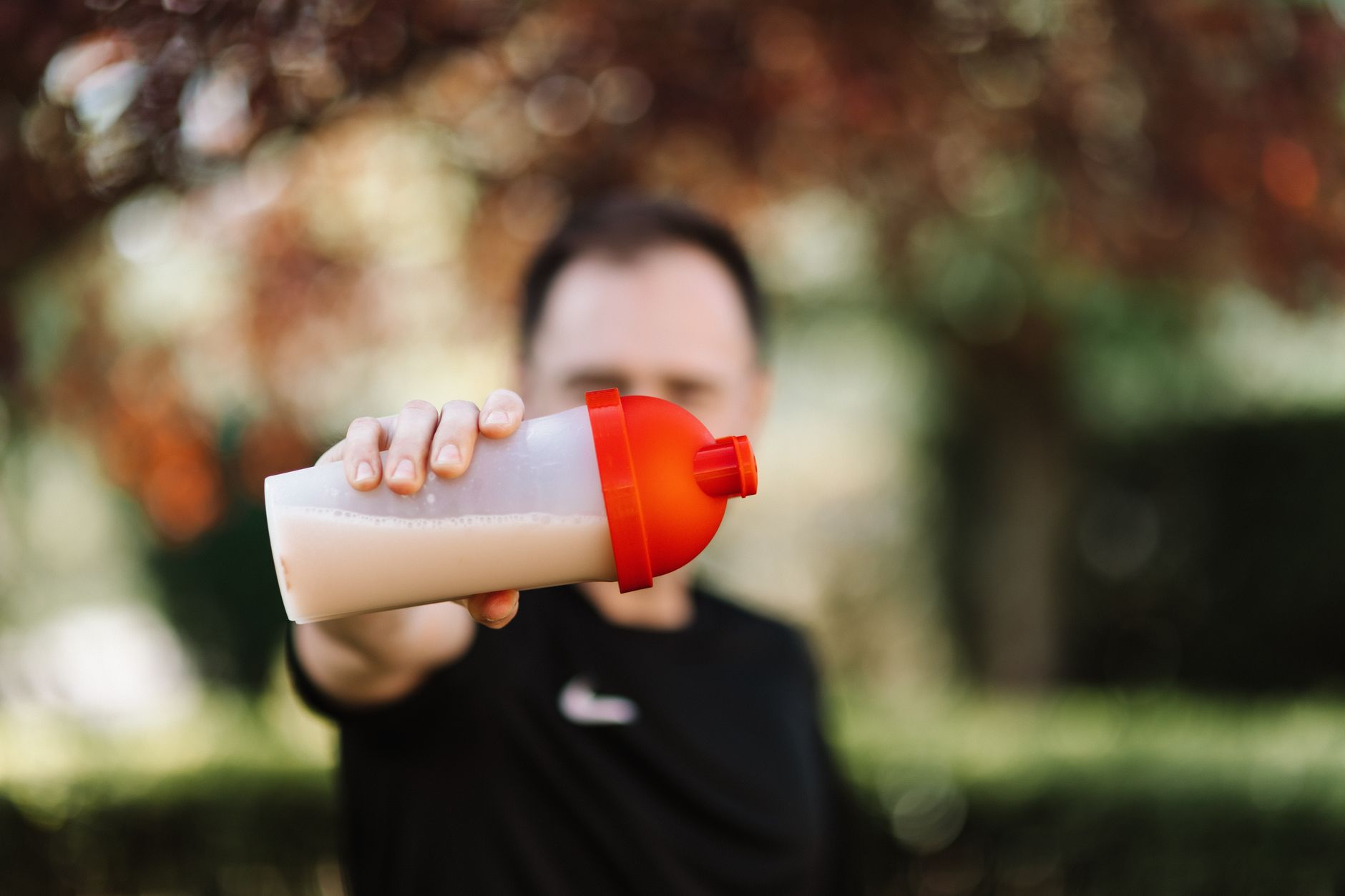
Whey protein has gained immense popularity in the fitness and nutrition world. But what exactly is whey protein made from? In this article, we will explore the origins of whey protein, its ingredients, how it’s processed, and tips for incorporating it into your diet effectively.
Whether you’re a fitness enthusiast, an athlete, or just someone looking to increase your protein intake, understanding what whey protein is and how it’s made can help you make informed decisions about including it in your meals and snacks.
What Is Whey Protein Made From?
Whey protein is derived from milk during the cheese-making process. When milk is curdled and strained, the liquid that separates is called whey. This liquid contains proteins, lactose, minerals, and a small amount of fat. The whey is then processed to create various types of whey protein powders, which are widely available in health food stores and online.
The Cheese-Making Process Explained
To better understand the production of whey protein, it is helpful to look at the cheese-making process:
- Milk Collection: Fresh cow’s milk is collected, which may sometimes also include goat’s or sheep’s milk.
- Curdling: This is done by adding an acid (like vinegar or lemon juice) or rennet (an enzyme that helps separate the curds from the whey). The milk then thickens, creating solid curds and liquid whey.
- Separation: Once the curds form, they are scooped out, leaving behind the liquid whey.
- Filtration: The whey is then filtered to remove fats and lactose, which also improves the concentration of protein.
- Drying: The filtered whey is spray-dried to create a powder form, resulting in whey protein that can be packaged and sold.
Types of Whey Protein
There are three main types of whey protein that are commonly available, each featuring different levels of protein content and varying processing methods:
- Whey Protein Concentrate (WPC): This type retains most of its nutrients and contains 70-80% protein. It has more fats and carbohydrates compared to other types, and it is the least processed form.
- Whey Protein Isolate (WPI): Isolates contain about 90% protein or more. They are processed to remove much of the fat and lactose, making them suitable for those who are lactose intolerant.
- Whey Protein Hydrolysate (WPH): This form is pre-digested, meaning it has undergone partial hydrolysis to aid in absorption. It is often used in medical protein supplements and infant formulas due to its higher bioavailability.
Nutritional Composition of Whey Protein
Whey protein is highly regarded for its excellent amino acid profile, making it a complete protein source. Here’s what you can expect in 100 grams of whey protein concentrate:
| Nutrient | Amount |
|---|---|
| Protein | 70-80g |
| Fat | 1-5g |
| Carbohydrates | 3-7g |
| Lactose | 1-3g |
| Calories | 350-400 |
Health Benefits of Whey Protein
Whey protein offers a range of benefits, making it a popular choice among athletes and individuals looking to boost their protein intake:
- Muscle Building: Whey protein is rich in branched-chain amino acids (BCAAs), particularly leucine, which is vital for muscle protein synthesis.
- Weight Management: High protein intake can promote satiety, reducing hunger and aiding weight loss efforts.
- Immune Support: Whey contains immunoglobulins and lactoferrin, which can support immune function.
- Convenient Protein Source: It easily mixes with liquids, making it a convenient option for smoothies or protein shakes.
How to Incorporate Whey Protein in Your Diet
Integrating whey protein into your diet can be simple and versatile. Here are some practical suggestions:
- Smoothies: Blend whey protein with fruits, vegetables, and your choice of liquid (water, milk, or a milk alternative) for a quick, nutritious meal.
- Protein Shakes: Mix with water or milk for a post-workout recovery drink.
- Baking: Substitute part of the flour with whey protein in recipes for muffins, pancakes, or cookies to boost protein content.
- Soups and Stews: Stir in whey protein into hot liquids for added nutrition without compromising flavor.
- Oatmeal: Mix whey protein powder into your morning oatmeal for an extra protein boost.
Tips for Using Whey Protein
Here are some useful tips to maximize your experience with whey protein:
- Read Labels: Choose products without excessive added sugars or artificial ingredients.
- Store Properly: Keep your whey protein in a cool, dry place and seal it tightly to maintain freshness.
- Check for Allergies: If you are lactose intolerant, opt for whey protein isolate or hydrolysate to minimize discomfort.
- Mixing Techniques: Use a blender or shaker bottle for a smoother consistency and better mixing.
- Timing Matters: Consume whey protein after workouts for optimal muscle recovery, or incorporate it as part of meals for daily protein intake.
Potential Side Effects and Safety
While whey protein is generally safe for most people, there are some considerations to keep in mind:
- Lactose Intolerance: Individuals who are lactose intolerant may experience discomfort when consuming whey protein concentrate.
- Allergic Reactions: Those with a dairy allergy should avoid whey protein entirely.
- Kidney Health: Excessive protein intake may stress the kidneys, particularly in individuals with pre-existing kidney conditions. It’s best to consult with a healthcare provider if you have concerns.
Common Mistakes When Using Whey Protein
Here are some common pitfalls to avoid when incorporating whey protein into your diet:
- Overconsumption: Stick to recommended serving sizes (typically 20-30 grams) and ensure you’re balancing protein intake with other nutrients.
- Neglecting Whole Foods: Use whey protein as a supplement, not a replacement for whole food sources of protein, such as meat, fish, eggs, legumes, and dairy.
- Inadequate Hydration: Consume plenty of water while increasing protein intake, as higher protein levels can lead to dehydration.
How to Choose the Right Whey Protein
Choosing the right whey protein can be overwhelming with so many options available. Consider the following factors when making your selection:
- Type of Whey: Decide whether you want a concentrate, isolate, or hydrolysate based on your dietary needs and budget.
- Flavor: Whey protein comes in various flavors, so consider your personal taste preferences.
- Ingredient Quality: Look for brands that prioritize quality sourcing and minimal additives.
- Certification: Seek out products that are independently tested for quality and safety.
Recipes Featuring Whey Protein
Using whey protein doesn’t have to be boring! Here are two enticing recipes that incorporate whey protein while delivering great flavors:
Protein Brownies
These protein-packed brownies are rich, fudgy, and a delight for sweet tooths looking for a healthier treat.
- Ingredients:
- 1 cup almond flour
- 1/2 cup whey protein powder
- 1/2 cup cocoa powder
- 1/2 cup coconut sugar
- 1/2 cup unsweetened applesauce
- 1/4 cup almond milk
- 1/4 cup dark chocolate chips (optional)
- 1 teaspoon baking powder
- 1/2 teaspoon salt
- Instructions:
- Preheat your oven to 350°F (175°C) and line a baking dish with parchment paper.
- In a mixing bowl, combine all the dry ingredients: almond flour, whey protein powder, cocoa powder, coconut sugar, baking powder, and salt.
- In another bowl, mix the wet ingredients: applesauce and almond milk.
- Combine the wet and dry ingredients until well mixed, then stir in dark chocolate chips.
- Spread the batter evenly in the baking dish and bake for 20-25 minutes.
- Cool, cut into squares, and enjoy!
Protein Cookies
These soft and chewy cookies offer a great way to enjoy a snack with a protein boost.
- Ingredients:
- 1 cup rolled oats
- 1/2 cup whey protein powder
- 1/2 cup peanut butter or almond butter
- 1/4 cup honey or maple syrup
- 1/4 cup dark chocolate chips (optional)
- 1/2 teaspoon vanilla extract
- 1/2 teaspoon baking soda
- Pinch of salt
- Instructions:
- Preheat your oven to 350°F (175°C) and line a baking tray with parchment paper.
- In a mixing bowl, combine all the ingredients until well-blended.
- Using a spoon or your hands, scoop out portions of dough and form them into balls, placing them on the baking tray.
- Flatten each ball slightly with your fingers.
- Bake for 10-12 minutes or until lightly golden.
- Allow to cool before enjoying.
Conclusion
Whey protein is a powerful and versatile ingredient that can enhance your diet in various ways. Understanding what it’s made from and how to use it can lead to better nutritional choices. By incorporating whey protein into recipes or daily meals, you can take advantage of its many health benefits.
For more delicious recipes and cooking tips like protein cookies or brownies, feel free to explore related recipes or food guides to inspire your next meal.