
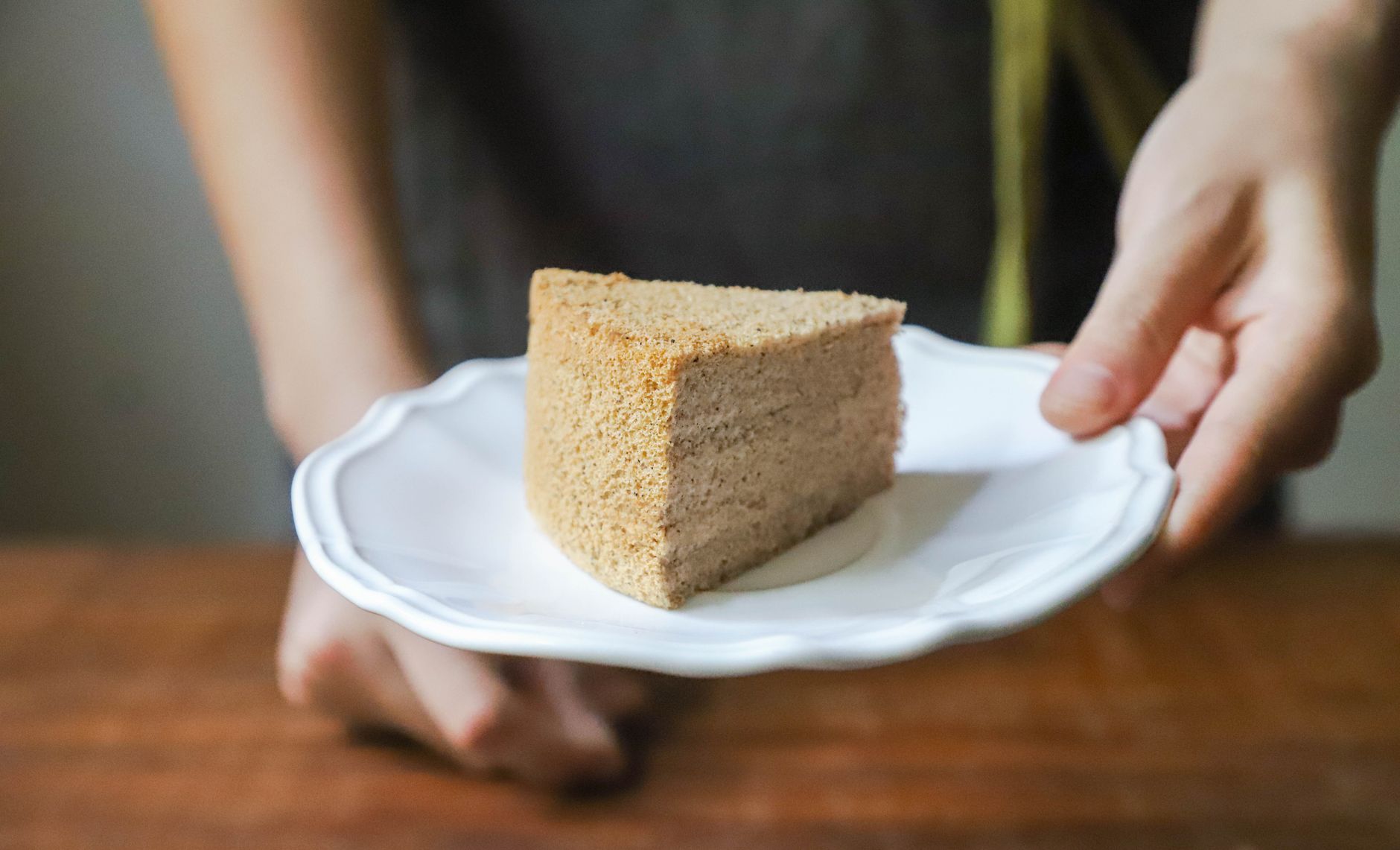
Shortened cakes are beloved for their rich flavor and moist texture. The term “shortened cake” refers to cakes made with fat, providing a tender crumb and a rich mouthfeel. Understanding what a shortened cake is, along with its alternative names and characteristics, can elevate your baking skills. This guide is designed to help you navigate the world of shortened cakes.
So, what is another term for shortened cake? The alternate term is “butter cake,” which emphasizes the use of butter or other solid fats in cake recipes. These cakes’ popularity stems from their versatility, allowing for endless flavor combinations, fillings, and frostings.
Understanding Shortened Cakes
To appreciate shortened cakes fully, it’s essential to understand their structure, ingredients, and how they differ from other types of cakes. Shortened cakes are primarily distinguished by the use of fat, such as butter, margarine, or shortening, which contributes to their characteristic moistness and tenderness.
These cakes typically have a denser crumb than their foam cake counterparts, which rely primarily on air incorporated during mixing rather than fat. Let’s delve deeper into the essential components of shortened cakes and explore their unique qualities.
Basic Components of Shortened Cakes
- Fats: Commonly butter, shortening, or oil, fats are the cornerstone of any shortened cake recipe. They contribute moisture, richness, and flavor.
- Flour: All-purpose flour is usually the choice, as it provides the necessary structure for the cake. Some recipes may also utilize cake flour for a lighter texture.
- Sugars: Granulated sugar imparts sweetness and helps with moisture retention, while brown sugar adds depth and richness.
- Leavening Agents: Baking powder or baking soda is essential to create a light and fluffy cake. They produce gas bubbles that expand during baking.
- Eggs: Eggs are vital for binding and structure, enhancing the cake’s overall richness and flavor.
- Liquid: Milk or buttermilk provides moisture and helps achieve the desired batter consistency.
Characteristics of a Shortened Cake
Shortened cakes are known for their specific texture, appearance, and flavor profile. Here are some defining characteristics:
- Texture: The inclusion of fat results in a moist, tender crumb. Shortened cakes often have a dense yet tender bite, especially when chilled.
- Flavor: The use of fats enhances the richness, offering a buttery and decadent flavor. This makes them ideal for a variety of flavorings, such as chocolate, vanilla, almond, or citrus.
- Appearance: Typically, shortened cakes are dense and rise slightly less than other cakes. They can be frosted or layered with ease.
Common Types of Shortened Cakes
Shortened cakes come in various forms, and each type presents unique flavors and uses. Here are some popular varieties:
Pound Cake
Pound cake is perhaps the most famous type of shortened cake. Traditionally made with a pound each of butter, sugar, eggs, and flour, this cake is known for its dense and rich texture. Variations can incorporate flavorings like vanilla extract or lemon zest.
Butter Cake
The term “butter cake” is synonymous with shortened cake, highlighting the primary ingredient. This cake is lighter than pound cake while still maintaining a rich flavor, usually produced by properly creaming the butter and sugar together.
Layer Cake
Layer cakes, popular at celebrations, often consist of multiple layers of butter or sponge cake. They can be filled and frosted with various frostings, fruits, or creams, making them adaptable for any occasion.
Chocolate Cake
Chocolate cake can also be a type of shortened cake, incorporating cocoa powder or melted chocolate along with the traditional butter and sugars. This addition enhances the chocolate flavor while maintaining the rich characteristics of shortened cakes.
Baking Techniques for Shortened Cakes
To achieve the best results when baking a shortened cake, understanding the proper techniques is crucial. Here are step-by-step instructions to help you bake a delicious, moist cake:
Preparation
- Preheat the Oven: Set your oven to 350°F (175°C) for even baking.
- Prepare the Baking Pan: Grease and flour the pan or line it with parchment paper to prevent sticking.
- Gather Ingredients: Assemble all ingredients at room temperature for better emulsification.
Mixing Method
- Cream the Fat and Sugar: Beat the butter (or other fat) with sugar until light and airy. This process introduces air into the mixture, ensuring a lighter cake.
- Add Eggs: Incorporate eggs one by one, mixing well after each addition.
- Alternate Dry Ingredients and Liquid: Gradually combine the flour mixture with the wet ingredients (liquid), starting and ending with flour. This method helps prevent overmixing.
- Mix Until Combined: Stop mixing as soon as the ingredients are just blended to maintain a tender crumb.
Baking the Cake
- Pour the Batter into the Prepared Pan: Spread the batter evenly to ensure it bakes uniformly.
- Bake: Check for doneness by inserting a toothpick into the center; if it comes out clean or with a few crumbs, the cake is done.
- Cool: Remove the cake from the oven and allow it to cool in the pan for about 10 minutes before transferring it to a wire rack to cool completely.
Ingredient Substitutions for Shortened Cakes
While certain ingredients are standard in shortened cakes, substitutions may be necessary based on dietary restrictions or availability. Here are some common substitutions:
- Butter: Can be replaced with margarine, shortening, or vegetable oils. Note that butter provides flavor and moisture, so oil may yield a lighter texture.
- Flour: All-purpose flour can often be substituted with cake flour for a lighter cake. If gluten-free is needed, use a gluten-free all-purpose flour blend.
- Milk: Non-dairy milk, such as almond or oat milk, can replace regular milk. Note that flavor may slightly differ, especially if using flavored varieties.
- Sugar: You can substitute granulated sugar with brown sugar, honey, or agave syrup. However, remember that different sugars will affect moisture levels and sweetness.
Common Mistakes When Baking Shortened Cakes
Even seasoned bakers can run into issues when baking shortened cakes. Here are some common mistakes to avoid:
- Overmixing: Overmixing the batter can develop gluten, leading to a dense, tough cake. Mix just until the ingredients are combined.
- Incorrect Oven Temperature: Baking at too high a temperature can cause the cake to rise rapidly and crack. Always ensure the oven is preheated, and use an oven thermometer for accuracy.
- Not Greasing the Pan Properly: Failure to adequately grease and flour the pan can result in a cake that sticks. Invest in good quality non-stick spray or parchment paper.
- Skipping the Cooling Phase: Trying to frost or cut a cake before it cools can lead to crumbling. Always allow the cake to cool completely.
Serving Suggestions and Pairings
Shortened cakes are delightful on their own, but serving them with the right accompaniments can elevate your dessert experience. Consider these suggestions:
- Frostings: Pair with buttercream, cream cheese frosting, or ganache for added richness.
- Fruit Compotes: A fruit sauce or compote can add brightness and contrast to the cake’s density.
- Ice Cream: Serve a slice with a scoop of ice cream for a luscious treat.
- Coffee or Tea: A cup of coffee or tea complements the flavors well.
Storage and Make-Ahead Tips
Knowing how to store your shortened cake properly can maximize its freshness and flavor. Here are some helpful tips:
- Room Temperature: If you plan to eat the cake within two days, store it in an airtight container at room temperature.
- Refrigeration: For longer storage (up to a week), wrap the cake tightly in plastic wrap and refrigerate. This helps retain moisture.
- Freezing: To freeze, wrap the completely cooled cake tightly in plastic wrap and then in aluminum foil. It can be stored in the freezer for up to three months. Allow it to thaw in the refrigerator before serving.
Conclusion
Understanding what a shortened cake is and its alternative term, butter cake, opens up a world of baking possibilities. With the right techniques, ingredient knowledge, and storage tips, you can master this type of cake and enjoy a delicious, moist dessert that’s perfect for any occasion. Whether whipping up a classic pound cake or a decadent chocolate cake, embrace the versatility of shortened cakes in your baking repertoire.
For more insights into baking, check out our guide on shortening in baking and try out our buttermilk pound cake recipe for a delightful dessert experience.