
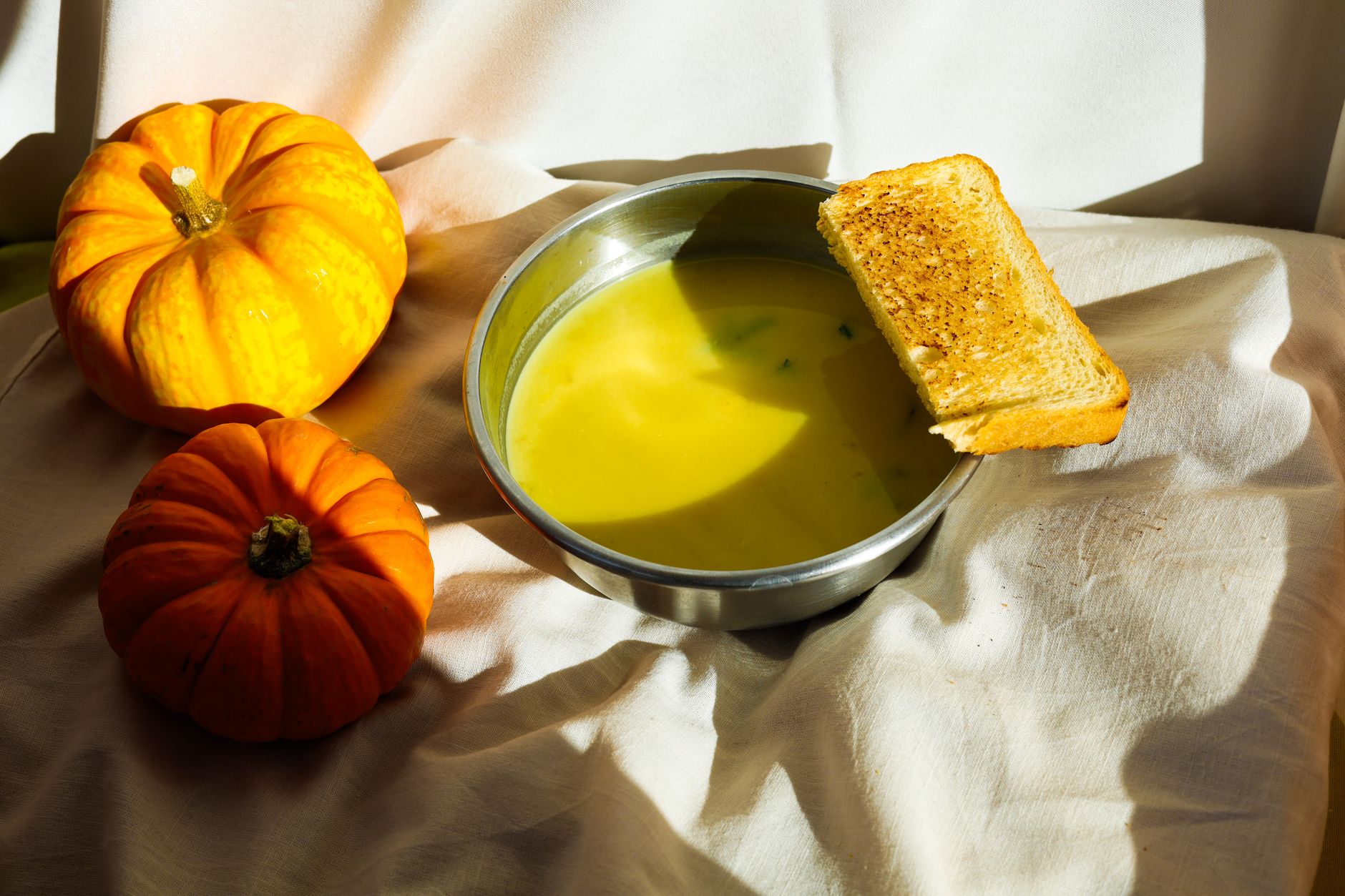
Pumpkin puree is a versatile ingredient that can elevate various dishes, from pies to soups. If you’re working with a large batch or just want to save some for later, knowing how to freeze it properly can be invaluable. This guide will explore whether pumpkin puree can be frozen, along with essential tips for freezing and thawing, ensuring you retain its flavor and quality.
Freezing pumpkin puree is not only possible but also recommended for maximizing its shelf life and convenience. Whether you have homemade puree or store-bought, this article will walk you through the best methods for preserving it, how to thaw it effectively, and ideas on how to use it once defrosted.
Can Pumpkin Puree Be Frozen?
Yes, pumpkin puree can absolutely be frozen. Freezing pumpkin puree is a great way to extend its shelf life, allowing you to enjoy this seasonal favorite year-round. When done correctly, frozen pumpkin puree maintains its taste and texture, making it ideal for later use in baking or cooking.
Why Freeze Pumpkin Puree?
Freezing pumpkin puree serves several purposes:
- Longer shelf life: Fresh pumpkin puree lasts about a week in the refrigerator, while freezing can keep it good for up to six months or longer.
- Convenience: Having pumpkin puree on hand allows for spontaneity in cooking or baking, whether you’re whipping up a quick pie or adding it to a soup.
- Waste reduction: If you have excess pumpkin puree after a recipe, freezing can prevent waste, letting you use the leftover puree later.
How to Freeze Pumpkin Puree
Choosing the Right Container
When freezing pumpkin puree, selecting the proper storage container is crucial. Consider the following options:
- Freezer Bags: These are a great way to save space and can be flattened for efficient storage.
- Plastic containers: Make sure they are freezer-safe. Leave some room for expansion as the puree freezes.
- Ice cube trays: For small portions, use ice cube trays to freeze the puree and then transfer the cubes into a freezer bag for easy measurement later.
Freezing Steps
- Cool the Puree: If you’ve just cooked or made pumpkin puree, let it cool to room temperature before freezing.
- Portioning: Decide how much puree you want to freeze in each container. Using small portions can make it easier to defrost only what you need.
- Seal and Label: Seal your bags or containers tightly to prevent freezer burn. Clearly label each container with the date and contents.
- Freeze: Lay the bags flat in the freezer or stack containers. The puree can take several hours to freeze completely.
Thawing Frozen Pumpkin Puree
When it comes time to use your frozen pumpkin puree, proper thawing helps maintain its quality. Here are a few methods to consider:
Refrigerator Thawing
The most recommended method for thawing frozen pumpkin puree is in the refrigerator. This allows for a slow and safe thaw, retaining the quality of the puree. Simply transfer the container from the freezer to the fridge and let it thaw overnight, or for about 6-8 hours, depending on the portion size.
Quick Thawing
If you’re short on time, a quicker method is to place the sealed bag or container in a bowl of cold water. Ensure it’s airtight to prevent water from seeping in. This method usually takes around 1-2 hours, depending on the amount.
Microwave Thawing
While not ideal due to the risk of cooking the puree, you can use a microwave for a faster thawing process. Set the microwave to defrost and monitor closely, stirring frequently to ensure even thawing.
Using Thawed Pumpkin Puree
Once thawed, pumpkin puree can be used in a variety of delicious ways:
- Baking: Classic pumpkin pie, muffins, or bread.
- Soups: Pumpkin soup or creamy sauces that need a nutritional boost.
- Pancakes and Waffles: Add pumpkin puree to pancake or waffle batter for a seasonal twist.
- Smoothies: Blend into a smoothie for added fiber and flavor.
Storage Guidelines
Once frozen, the general guideline for using pumpkin puree is within six months to ensure the best quality. However, it can remain safe to consume beyond this timeframe if stored properly, though you might notice some decline in texture and flavor quality.
Common Questions About Freezing Pumpkin Puree
Can I freeze canned pumpkin puree?
Yes, you can freeze canned pumpkin puree. Just be sure to transfer it into a freezer-safe container before freezing. This allows you to keep it longer than the expiration date on the can.
Does freezing change the texture of pumpkin puree?
Freezing may slightly alter the texture, making it a bit watery upon thawing. Simply stir the puree after thawing to rehydrate and restore its consistency.
Can I freeze pumpkin puree with added ingredients?
While you can freeze pumpkin puree with spices or sweeteners, plain puree tends to freeze better. If you add ingredients, consider that it may affect the flavor and usability later on, depending on your intended recipes.
Common Mistakes to Avoid
- Not Cooling Before Freezing: Putting warm puree directly into the freezer can lead to condensation and ice crystals.
- Poor Sealing: Ensure your containers or bags are airtight to prevent freezer burn.
- Mixing Ingredients: Freezing with too many added ingredients can lead to undesirable flavors or textures upon thawing.
Conclusion
Freezing pumpkin puree is beneficial for extending its shelf life and creates convenience in your cooking experiences. With proper methods for freezing, thawing, and utilizing the puree, you can make the most of this seasonal delight any time of year. Don’t hesitate to put your frozen pumpkin puree to use in a variety of creations, from warm, comforting soups to delightful baked goods.
Explore related recipes and cooking tips to enhance your culinary skills, such as freezing pumpkin pie or learning more about pumpkin puree itself.