
Water is an essential part of our daily lives, yet how much we truly need can vary from person to person. Understanding your water needs is crucial for maintaining overall health, aiding digestion, and regulating body temperature. This guide will help you determine how much water you may need each day based on various factors.
In this article, we’ll explore daily water intake recommendations, how to gauge your individual needs, various methods to ensure proper hydration, and tips for making water intake enjoyable. Let’s dive into the details of daily hydration.
How Much Water Do You Need Each Day?
The general recommendation for daily water intake is about 3.7 liters (or 13 cups) for men, and about 2.7 liters (or 9 cups) for women. However, these numbers can vary greatly depending on age, activity level, health status, and climate conditions. It’s essential to listen to your body’s signals when it comes to hydration.
Factors Affecting Water Needs
Several factors can influence how much water you need daily. Here’s a closer look at some of these considerations:
Age and Sex
Age and sex play significant roles in determining hydration needs. Generally, younger individuals and those who engage in high levels of physical activity require more water. Women who are pregnant or breastfeeding also have increased water needs.
Physical Activity
For those who are physically active, additional water intake is necessary to replace fluids lost through sweat. Depending on your activity intensity and duration, you might need anywhere from an additional 1 to 2 liters of water throughout the day.
Climate
Living in hot or humid climates can elevate your hydration requirements. Children and older adults are especially susceptible to dehydration in extreme temperatures, so they must stay vigilant about their water intake.
Health Status
Your general health can also affect your need for water. Illnesses that cause fever, vomiting, or diarrhea can lead to increased fluid loss. Certain chronic conditions, like diabetes or kidney issues, may also require stricter fluid management.
Diet
The food you consume can impact your hydration levels. A diet high in fruits, vegetables, and soup may mean you need slightly less water, while a diet high in processed foods may require you to drink more water to stay adequately hydrated.
How to Track Your Water Intake
Monitoring your water intake can help you understand whether you are meeting your daily goals. Here are some effective methods:
Water Bottles with Measurements
Using a water bottle with measurements makes it easy to track your daily intake. Aim to fill and empty it several times a day, depending on your water goals.
Apps and Journals
Mobile apps or plain journals can help track your water consumption throughout the day. Set reminders to drink water at regular intervals to ensure you meet your daily requirements.
Visual Cues
Using visual cues, such as post-it notes or phone alarms, can serve as a gentle reminder to drink water throughout the day.
Signs of Dehydration
Knowing the symptoms of dehydration can help you stay proactive with your hydration. Common signs include:
- Thirst
- Dark yellow urine
- Dizziness or lightheadedness
- Dry mouth and dry skin
- Increased fatigue
If you experience these signs, it may be time to increase your fluid intake quickly.
Creating a Hydration Plan
Establishing a reliable hydration strategy can make it easier to meet your daily water intake goals. Here are some practical tips:
Start Early
Begin your day with a glass of water as soon as you wake up. This boosts hydration immediately after overnight fasting.
Set Goals
Determine how much water you want to consume by lunchtime and keep measuring your progress. Setting smaller goals can help keep you motivated.
Flavor Your Water
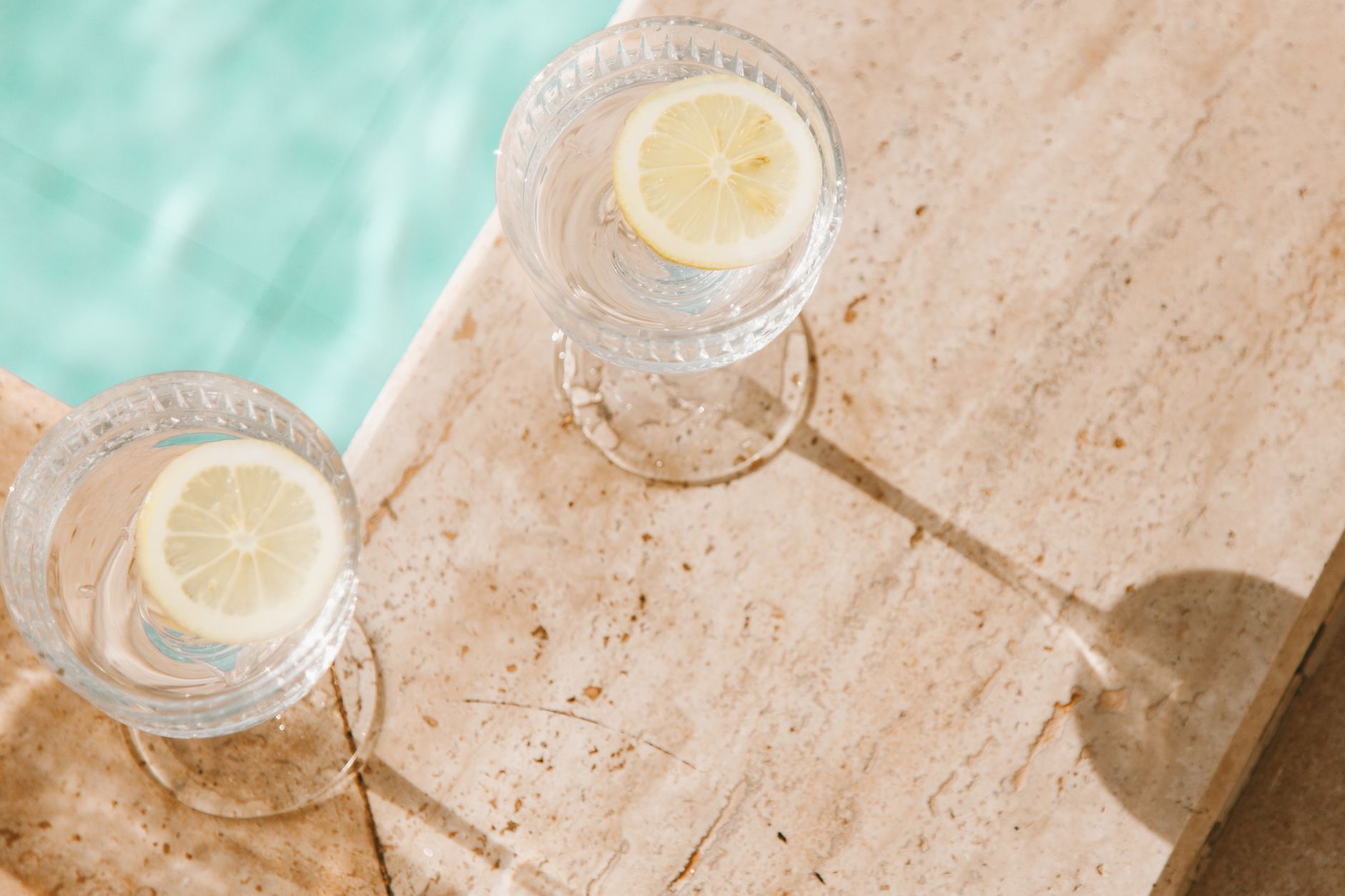
If you find plain water unappealing, consider infusing it with natural flavors. Adding fruits like lemon, cucumber, or berries can make drinking water enjoyable.
How to Make Water More Appealing
Maintaining adequate hydration levels doesn’t have to feel like a chore. Here are some creative ways to enhance your water-drinking experience:
Try Herbal Teas
Herbal teas are another excellent way to stay hydrated while providing additional flavor. Warm or cold, herbal teas can be a satisfying alternative to water.
Make Homemade Flavored Waters
Infusing water with your favorite fruits, herbs, or vegetables can elevate its taste. Try combinations like mint and lime, strawberry and basil, or apple and cinnamon.
Carbonated Water
For those who crave a fizzy beverage, carbonated water can be a great substitute for soda while still keeping you hydrated. Opt for options without added sugars or artificial flavors.
Eat Hydrating Foods
Incorporate hydrating foods into your diet. Foods like watermelon, cucumbers, and oranges have high water content and contribute to overall hydration.
Adjusting for Special Conditions
It’s important to tailor your hydration approaches based on specific situations:
During Exercise
Pre-, during, and post-exercise hydration is vital. Aim to drink at least 500 mL (17 ounces) of water about two hours before exercising. During exercise, drink small sips regularly, and post-exercise, replenish lost fluids based on sweat levels.
Hot Weather
When temperatures rise, your body loses water faster, requiring increased intake. Have water readily available, especially if you’ll be spending extended periods outdoors.
Illness and Recovery
In times of illness, particularly with fever or gastrointestinal issues, hydration becomes more critical. Consider electrolyte solutions if you’re losing fluids excessively to maintain a balance.
Common Mistakes in Water Intake
Many individuals make mistakes regarding their hydration, which can lead to underhydration or overhydration. Here are some common pitfalls:
Ignoring Thirst Signals
While thirst is a natural cue, waiting until you feel thirsty may indicate you are already dehydrated. Aim to drink water regularly, not just when thirsty.
Relying Solely on Other Beverages
Many assume that coffee, soda, or energy drinks contribute significantly to hydration, but these often contain caffeine or sugar that can promote dehydration. Water should still be your main source of hydration.
Overhydration
Overhydration can be just as dangerous as underhydration and may lead to a condition known as hyponatremia. Pay careful attention to your body’s signals and avoid excessive intake.
Conclusion
Knowing how much water you need each day is essential for overall health and wellness. With a few simple strategies, you can easily meet your hydration goals. Monitor your intake, listen to your body, and get creative with ways to enjoy water.
For those keen on exploring more about hydration and related topics, check out this article on the best bottled water to drink, or learn how to properly cook rice with our guide on water-to-rice ratios.