
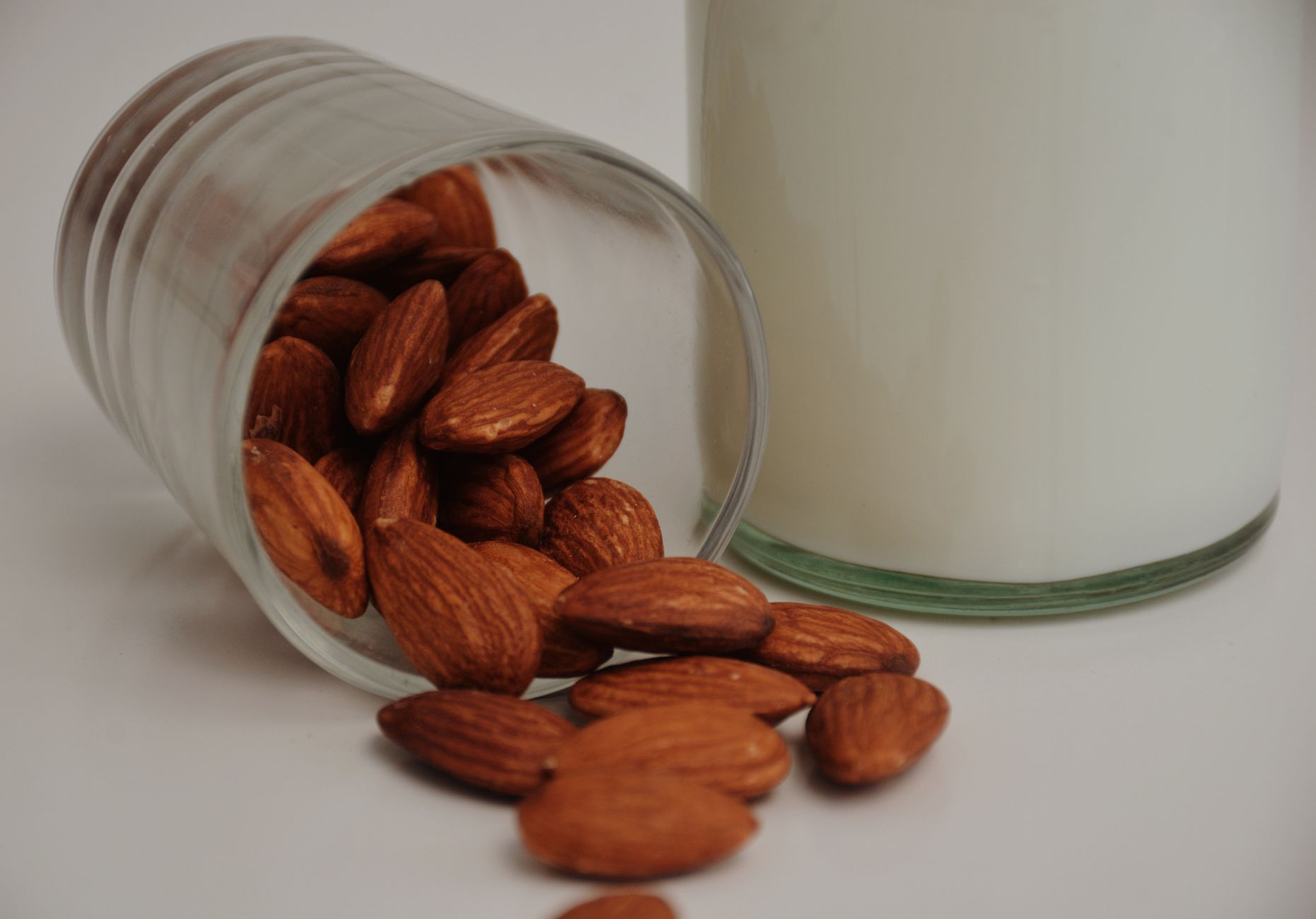
Almond milk has become a popular alternative to cow’s milk in recent years, especially among those seeking dairy-free options. However, many people wonder whether almond milk is truly healthy or if it carries certain drawbacks. Understanding the nutritional profile, potential benefits, and concerns surrounding almond milk can help you make an informed choice.
This article explores the health aspects of almond milk, including its nutrition facts, potential benefits, and considerations for those integrating it into their diets. From understanding its ingredients to examining any health myths, we aim to provide you with a comprehensive overview of almond milk.
Is Almond Milk Unhealthy?
Almond milk can be a healthy addition to most diets, particularly when chosen wisely. It is often fortified with vitamins and minerals and is low in calories compared to whole milk. However, some brands may contain added sugars and preservatives, making it essential to read labels carefully. Overall, moderation is key, and opting for unsweetened varieties can make it a healthier choice.
Nutritional Profile of Almond Milk
Understanding the nutrition facts of almond milk is crucial for assessing its healthfulness. Here’s a breakdown of the typical nutrients found in one cup (240 mL) of unsweetened almond milk:
- Calories: 30-40
- Protein: 1-2 grams
- Fat: 2.5-3.5 grams
- Saturated Fat: 0.2 grams
- Carbohydrates: 1-2 grams
- Sugars: 0-1 gram
- Calcium: 300-450 mg (fortified)
- Vitamin D: 100-150 IU (fortified)
- Vitamin E: 7.5 mg
Although almond milk is low in calories, it’s also low in protein compared to cow’s milk (which contains around 8 grams of protein per cup). This can be an important consideration for those relying on plant-based milks for protein intake.
Potential Benefits of Almond Milk
Almond milk offers several potential health benefits, making it a suitable alternative for many individuals.
1. Low in Calories
The low caloric content makes almond milk an appealing choice for those looking to reduce calorie intake, especially when compared to whole milk.
2. Dairy-Free and Lactose-Free
For individuals with lactose intolerance or a dairy allergy, almond milk provides a viable replacement without the discomfort that lactose can cause.
3. Rich in Vitamins and Minerals
Fortified almond milk can contain significant levels of calcium and vitamin D, essential nutrients for bone health. Vitamin E, found naturally in almonds, serves as an antioxidant which may support skin health.
4. Heart-Healthy Fats
Almond milk contains healthy fats, primarily monounsaturated fats, which are beneficial for heart health. These fats can help lower bad cholesterol levels when consumed as part of a balanced diet.
5. May Aid in Weight Management
The low calorie and high nutrient density of almond milk may contribute to weight management strategies. When used in place of higher-calorie alternatives, it can help reduce overall calorie consumption.
Potential Concerns and Considerations
While there are many benefits to almond milk, it’s essential also to consider potential drawbacks.
1. Added Sugars
Many flavored or sweetened almond milks contain added sugars, which can quickly increase calorie content and contribute to health issues if consumed in excess. Always opt for unsweetened varieties to avoid unnecessary sugars.
2. Low Protein Content
As previously mentioned, almond milk is low in protein compared to cow’s milk or soy milk. This may not be adequate for individuals seeking higher protein sources in their diets.
3. Allergies
Almond milk can pose a risk for those with nut allergies. It’s crucial to avoid almond milk if you have any allergies to tree nuts.
4. Fortification and Nutrient Absorption
Some almond milks are fortified with vitamins and minerals; however, the body may not absorb these nutrients as effectively as those found in whole foods. Thus, relying solely on fortified almond milk for essential nutrients may not be sufficient.
5. Environmental Concerns
Almond production requires significant water resources, raising concerns about sustainability and environmental impact in drought-prone regions. This may not be an immediate health concern but is worth considering for environmentally conscious consumers.
How to Choose Healthy Almond Milk
Selecting a healthy almond milk involves understanding label nuances. Here’s how to make informed choices:
- Opt for unsweetened varieties to minimize added sugars.
- Look for options fortified with calcium and vitamin D for added health benefits.
- Check the ingredient list—for natural ingredients and minimal additives, avoid those with gums or stabilizers.
- Consider organic almond milk to limit exposure to pesticides.
Ways to Incorporate Almond Milk into Your Diet
There are many ways to enjoy almond milk in your daily routine. Here are some practical ideas:
1. In Smoothies
Almond milk can be an excellent base for smoothies, adding a creamy texture without the calories of whole milk. Blend it with fruits, vegetables, and protein powder for a nutritious drink.
2. In Coffee and Tea
Using almond milk in coffee or tea can provide a flavorful alternative to dairy creamers. It froths well, making it suitable for lattes and cappuccinos.
3. In Baking
Almond milk can replace cow’s milk in nearly any baking recipe, from muffins to cakes. Just make sure to adjust the temperature and cooking times to prevent any changes in texture.
4. In Cereal or Oatmeal
Poured over cereal or used in oatmeal, almond milk adds a nutty flavor and can enhance your breakfast experience.
5. In Soups and Sauces
Almond milk can be used as a base for creamy soups and sauces, creating a rich, velvety texture without dairy.
Common Mistakes to Avoid
When incorporating almond milk into your diet, keep these common mistakes in mind:
- Assuming all almond milk is healthy—always check nutrition labels.
- Using flavored varieties without considering their sugar content.
- Relying solely on almond milk for protein without considering other sources in your diet.
Storage and Shelf Life
Proper storage can help you enjoy almond milk at its best:
- Store unopened almond milk in a cool, dark place (such as a pantry) until it is ready to be used.
- Once opened, keep almond milk refrigerated and consume it within 7-10 days for optimal freshness.
- Check the expiration date before use, as spoiled almond milk can have a sour taste and unpleasant odor.
Conclusion
Almond milk can be a healthy addition to most diets, especially when chosen carefully. By paying attention to ingredients and selecting high-quality almond milk, it can offer a variety of benefits. Its low calorie and dairy-free nature makes it suitable for many lifestyles. However, be mindful of potential downsides and ensure it fits well within your overall nutritional needs.
For delicious yet healthy recipes, explore our guides for making chia pudding with coconut milk or try our dairy-free pancake recipe to enjoy treatments without dairy.