
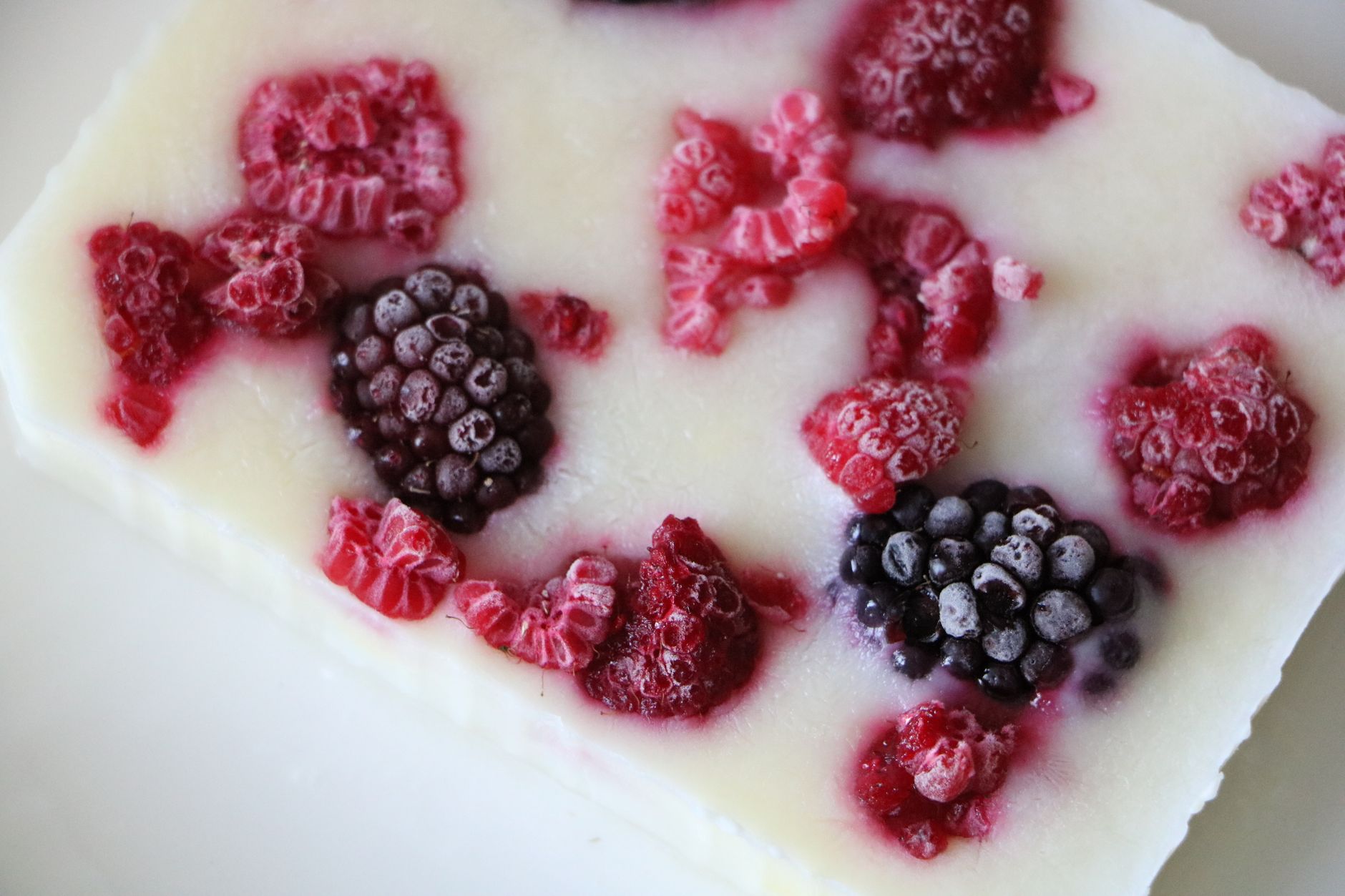
Frozen yogurt is often perceived as a healthier alternative to ice cream, especially for those looking to satisfy their sweet cravings. However, if you have diabetes or are managing your blood sugar levels, you might wonder whether frozen yogurt is a safe treat. In this article, we will explore the suitability of frozen yogurt for diabetics, examining its ingredients, potential impacts on blood sugar, and some healthy ways to enjoy it.
Diabetes management involves careful consideration of carbohydrate intake, particularly sugars. This article aims to help you make informed choices about frozen yogurt by discussing its nutritional profile, potential benefits, and smart eating tips. We’ll also provide some practical freezer tips for enjoying this cool treat safely.
Is Frozen Yogurt Good for Diabetics?
Frozen yogurt can be a better option for diabetics than regular ice cream, primarily because it usually contains less fat and fewer calories. However, it can still contain significant amounts of sugar, which may affect blood glucose levels. Whether it is suitable for a diabetic diet depends on the specific product and portion size.
Nutritional Profile of Frozen Yogurt
Frozen yogurt typically contains yogurt, sugar, milk, and flavorings. The exact nutritional profile varies by brand and flavor, but here’s a general breakdown of what to look for:
- Calories: Generally lower than ice cream, ranging around 100-200 calories per ½ cup.
- Carbohydrates: Can vary widely, often containing 20-30 grams per serving.
- Sugars: Many varieties can contain 15 grams or more of sugar, which is important for diabetics to monitor.
- Fat: Usually lower in fat than ice cream, but still varies—some brands utilize fat-free or low-fat options.
- Probiotics: Some frozen yogurt contains live cultures, which may be beneficial for digestive health.
Understanding Carbohydrates and Blood Sugar
Carbohydrates cause blood sugar levels to rise as they are broken down into glucose. For diabetics, it is vital to monitor not only the total carbohydrate intake but also the type of carbohydrates consumed. Simple carbohydrates, such as sugars found in frozen yogurt, are absorbed quickly into the bloodstream. Here are some key points to consider:
- Portion Control: Keeping portions small—ideally not exceeding ½ cup—can help mitigate sugar spikes.
- Type of Sweeteners: Look for frozen yogurts made with alternative sweeteners like Stevia or erythritol, which have lesser effects on blood sugar.
- Protein Content: Choosing varieties with added protein can help slow the absorption of sugar and sustain energy levels.
Choosing a Diabetes-Friendly Frozen Yogurt
To make a better choice, it is essential to read the nutrition labels carefully. Here are some tips for selecting a frozen yogurt that’s suitable for diabetics:
- Low Sugar Variants: Opt for frozen yogurts labeled as “no sugar added” or “low sugar.”
- Greek Yogurt Options: Choose frozen Greek yogurt, which typically has a higher protein content and fewer sugars.
- Natural Ingredients: Look for brands that use whole food ingredients and avoid artificial additives.
- Check Fiber Content: Higher fiber content can help offset the glycemic impact of sugar.
Healthy Frozen Yogurt Ideas
If you want to create a diabetes-friendly frozen yogurt experience, consider making your own. Here are a few suggestions for healthier frozen yogurt recipes that keep sweetness in check:
1. Basic Greek Yogurt Frozen Treat
This simple recipe allows you to control sugar content and add healthy flavorings.
- Ingredients:
- 2 cups plain Greek yogurt
- 2-4 tablespoons honey or a sugar substitute to taste
- 1 teaspoon vanilla extract
- Optional: Berries or nuts for toppings
- In a bowl, mix the Greek yogurt, honey or sugar substitute, and vanilla extract until smooth.
- Transfer to an airtight container and freeze for 4-6 hours.
- Scoop and serve with toppings of your choice.
2. Banana Cream Frozen Yogurt
This delightful treat is naturally sweetened without added sugars.
- Ingredients:
- 2 ripe bananas, frozen
- 1 cup plain yogurt (either Greek or regular)
- 1 tablespoon almond butter (optional)
- Blend the frozen bananas and yogurt in a food processor until creamy.
- Add almond butter for an extra flavor kick and blend until combined.
- Spoon the mixture into a container and freeze for about 2 hours before serving.
3. Berry Bliss Frozen Yogurt
This easy fruity treat combines the taste of berries with yogurt for a delicious dessert.
- Ingredients:
- 2 cups unsweetened frozen mixed berries
- 1 ½ cups plain yogurt
- 1 tablespoon honey or sugar alternative
- Blend the frozen berries, yogurt, and honey until smooth.
- Pour into an airtight container and freeze for about 2-4 hours before enjoying.
Freezer Tips for Enjoying Frozen Yogurt Responsibly
To make the most of frozen yogurt while keeping health in mind, consider these tips:
- Keep Portions Small: Using a small scoop can help control serving sizes, making it easier to enjoy without overindulging.
- Pair with Healthy Options: Combine frozen yogurt with fruits or nuts for added nutrition and fiber.
- Be Mindful of Add-Ins: Toppings can quickly raise sugar levels, so opt for lower-sugar options like fresh fruits or dark chocolate.
- Check Storage: Ensure the frozen yogurt is stored at a consistent temperature to maintain quality.
Common Mistakes to Avoid
When consuming frozen yogurt, it’s essential to avoid some common pitfalls:
- Neglecting Nutritional Labels: Always check sugars, carbohydrates, and serving sizes rather than assuming frozen yogurt is low-calorie.
- Overindulging on Toppings: While granola and syrups may seem appealing, they can quickly add unwanted sugars.
- Underestimating Portion Sizes: It’s easy to mistake larger portions as a single serving—measure if necessary.
Final Thoughts on Frozen Yogurt and Diabetes
Frozen yogurt can be part of a balanced diet for individuals with diabetes when chosen wisely and consumed in moderation. Making homemade versions allows for better control over ingredients and sugar levels, promoting healthier choices. Paying attention to labels and choosing wisely can help satisfy your cravings without jeopardizing your health.
Keep in mind to monitor your blood sugar levels when trying new foods, including frozen yogurt. Everyone’s body reacts differently, so it’s vital to stay informed about how certain foods impact your personal condition.
If you’re looking for delicious recipes that can fit into a diabetic-friendly diet, consider trying chia pudding or protein brownies. Both options are nutritious and can satisfy your sweet cravings without excessive sugar.
For more insightful recipes and cooking tips, feel free to explore options like chia pudding and protein brownies. Enjoy your journey to a healthier and happier eating experience!