
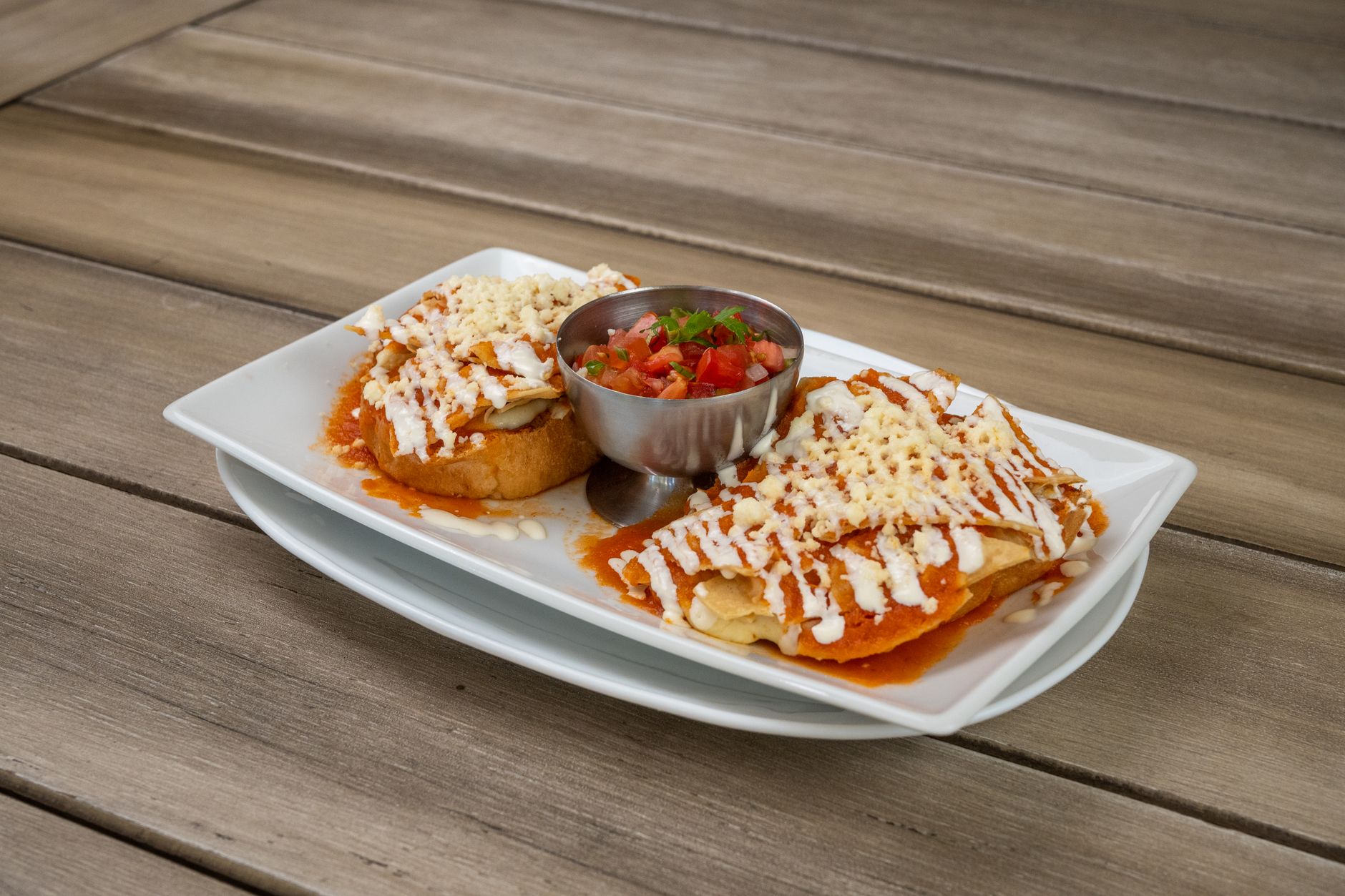
Cotija cheese is a popular Mexican cheese known for its crumbly texture and salty flavor. Often used as a topping for tacos, salads, and soups, it has gained a following among food enthusiasts around the world. When it comes to dietary restrictions, particularly gluten sensitivity, many people wonder: is cotija cheese gluten free?
The good news is that cotija cheese is naturally gluten free. This makes it an excellent choice for those who are gluten intolerant or have celiac disease. However, it’s essential to ensure that the specific brand you purchase does not have any gluten-containing additives or is produced in a facility that processes gluten.
What is Cotija Cheese?
Cotija cheese is a firm, crumbly cheese made from cow’s milk, originating from the town of Cotija in Michoacán, Mexico. Its texture ranges from slightly dry to crumbly, and it has a slightly salty, tangy flavor that enhances a variety of dishes. It is often compared to feta or ricotta salata due to its similar texture and saltiness, but Cotija’s flavor is distinctively more robust.
Ingredients in Cotija Cheese
Understanding the ingredients in cotija cheese can help clarify why it’s gluten free. Cotija cheese typically contains the following components:
- Cow’s milk
- Salt
- Rennet (a natural enzyme used in cheese-making)
- Bacterial cultures (to aid in fermentation)
None of these ingredients contain gluten. However, some commercial brands may include preservatives or flavoring agents that could potentially contain gluten, so it’s crucial to check the ingredient label.
Gluten Sensitivity and Celiac Disease
Gluten is a protein found in wheat, barley, and rye. For individuals with gluten sensitivity or celiac disease, ingesting gluten can result in a range of health issues, including abdominal pain, bloating, diarrhea, and more severe complications over time. Therefore, including gluten-free foods like cotija cheese in their diets is essential for well-being.
Checking for Gluten in Cotija Cheese
While cotija cheese is inherently gluten free, here are some tips for ensuring the cheese you buy remains safe for gluten-sensitive diets:
1. Read Labels Carefully
Always check the package for a gluten-free label or any mention of potential gluten-containing ingredients.
2. Buy from Trusted Brands
Choose brands known for their quality and transparency regarding ingredients. Brands that explicitly state their gluten-free status are more likely to have better manufacturing practices.
3. Avoid Cross-Contamination
If you are especially sensitive to gluten, consider purchasing cheese from stores that have strict gluten-free protocols in place to mitigate the risk of cross-contamination.
How to Use Cotija Cheese in Cooking
Cotija cheese is a versatile ingredient with numerous culinary applications. Here are some popular ways to incorporate it into your meals:
1. Tacos and Burritos
Spread cotija over tacos or mix it into burrito fillings for an added flavor boost. Its salty profile pairs well with meats, beans, and salsas.
2. Salads
Sprinkle cotija on salads for a crunchy texture and a burst of flavor, complementing greens, vegetables, and dressings.
3. Soups and Stews
Add cotija as a finishing touch to soups and stews, enhancing the dish with its rich complexity. It works particularly well in spicy or tomato-based soups.
4. Mexican Street Corn (Elote)
Traditionally served on the cob, elote is made by slathering corn in mayonnaise, lime, and cotija cheese, giving it both creaminess and a salty kick.
5. Pasta Dishes
Use cotija as a cheese topping for various pasta dishes, especially those with a Mexican flair, such as chorizo and tomato pasta.
Cotija Cheese vs. Other Cheeses
While cotija is unique, it might not always be the best fit for specific dishes. Here’s how it compares with some other popular cheeses:
| Type of Cheese | Texture | Flavor Profile | Uses |
|---|---|---|---|
| Cotija | Crumbly, firm | Salty, tangy | Tacos, salads, soups |
| Feta | Soft, creamy | Salty, tangy | Salads, pastries, spreads |
| Ricotta Salata | Firm, crumbly | Rich, mild | Pasta, salads, as a table cheese |
Possible Substitutes for Cotija Cheese
If you cannot find cotija cheese or want to try something different, several substitutes work well depending on your recipe:
- Feta Cheese: Similar in flavor and crumbly texture, feta can easily replace cotija in most recipes.
- Queso Fresco: A fresh cheese that can mimic the texture of cotija but has a milder flavor.
- Ricotta Salata: Slightly drier than cotija, it can be used as a topping and has a mildly salty taste.
Storing Cotija Cheese
Like other cheeses, proper storage is vital to maintain cotija’s flavor and texture. Here’s how to store it:
- Keep it refrigerated in an airtight container or wrapped tightly in plastic wrap to prevent it from drying out.
- For optimal flavor, consume cotija cheese within a week of opening if it’s pre-packaged or within a week after cutting into a block.
- Freezing cotija is possible but may alter its texture, making it more suitable for cooking than direct consumption.
Common Mistakes to Avoid with Cotija Cheese
When cooking or using cotija cheese, avoid these common pitfalls:
1. Using Too Much Salt
Due to its naturally salty flavor, cotija may not require additional salt in your recipe. Taste your dish first before adding more seasoning.
2. Not Crumbling Properly
When crumbling cotija cheese, use your fingers or a fork to achieve the desired texture. A knife may make it clump together.
3. Ignoring Freshness
Ensure your cotija cheese is fresh by checking for off smells or discoloration. Stale cheese will not have the sharp flavor you want.
Final Thoughts on Cotija Cheese
Cotija cheese is a delightful addition to various dishes, and its gluten-free nature makes it suitable for many dietary preferences. With its distinct salty flavor, cotija can elevate the taste of meals while remaining safe for gluten-sensitive individuals.
When incorporating cotija cheese into your meals, remember to check labels and ensure it aligns with your dietary needs. Enjoy it sprinkled over tacos, mixed into salads, or as a flavorful addition to soups and stews.
If you are curious about other gluten-free ingredients, you might explore if basmati rice is gluten free or whether coffee contains gluten as well.