
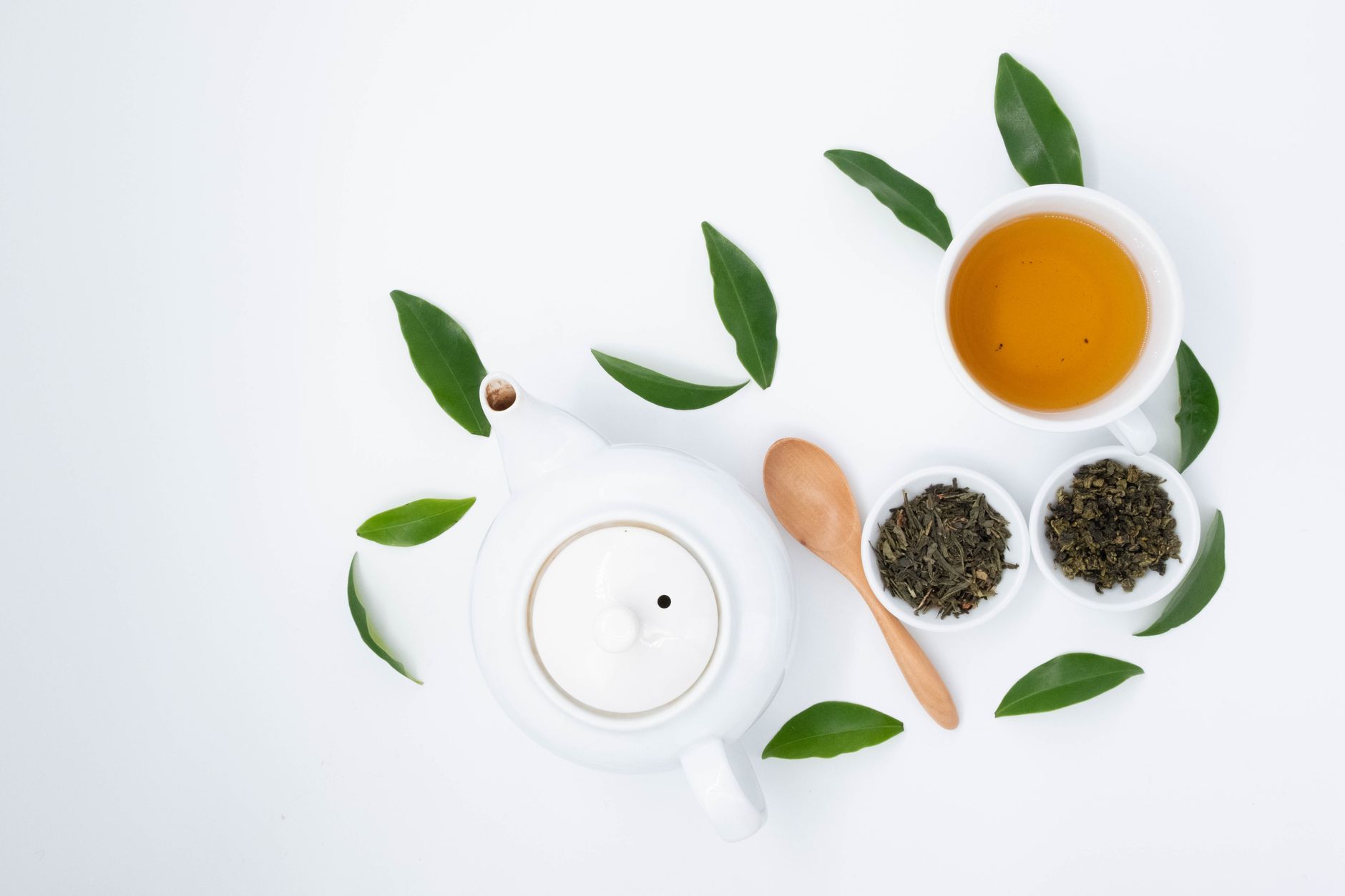
White tea, one of the most delicate varieties of tea, is known for its subtle flavors and numerous health benefits. Harvested from young tea leaves and buds, it retains a high concentration of antioxidants and nutrients compared to more processed teas. Understanding what white tea is good for can enhance your appreciation of this gentle brew and its potential contributions to health and wellness.
In this article, we will explore white tea’s nutritional content, health benefits, possible uses in your daily routine, and practical tips for incorporating it into meals. From fostering better hydration to potential weight management support, white tea offers a myriad of advantages worth considering.
What Is White Tea Good For?
White tea is known for its antioxidant properties, promoting hydration, potentially aiding in weight management, and supporting skin health. Its low caffeine content makes it a suitable option for those sensitive to caffeine, while its unique flavor profile enhances culinary experiences.
Understanding White Tea: What Makes It Special?
White tea comes from the Camellia sinensis plant, the same plant used for other tea types. What distinguishes it is its minimal processing. The leaves are simply wilted and dried, often harvested in early spring when the buds are still covered in fine white hairs, giving it a signature silvery appearance.
There are a few main types of white tea, including:
- Silver Needle: Made only from the buds, this high-end white tea is prized for its delicate flavor.
- White Peony: A blend of buds and leaves, this variety is more robust and has a fuller flavor.
- Long Life Eyebrow: This includes larger leaves along with buds, offering a stronger taste.
Nutritional Profile of White Tea
White tea provides an array of essential nutrients and micronutrients:
- Antioxidants: Rich in catechins, particularly epigallocatechin gallate (EGCG), which helps neutralize free radicals.
- Vitamins: Contains small amounts of vitamins C, E, and several B vitamins.
- Minerals: Offers trace minerals such as calcium, magnesium, and potassium.
- Caffeine: Contains about 15 to 30 mg of caffeine per 8-ounce serving, significantly lower than black or green teas.
Health Benefits of White Tea
1. Rich in Antioxidants
The high antioxidant content in white tea can help combat oxidative stress in the body. Antioxidants are pivotal in reducing inflammation and promoting overall wellness. Studies suggest that consuming high-antioxidant beverages may lower the risk of chronic diseases.
2. Supports Heart Health
White tea may contribute to cardiovascular health by enhancing blood vessel function and reducing cholesterol levels. The flavonoids and catechins found in white tea can lower blood pressure and improve artery function.
3. Promotes Hydration
Staying hydrated is vital for maintaining body functions, and white tea can be a refreshing source of hydration due to its high water content. Unlike sugary drinks or excessive caffeine sources, white tea offers a low-calorie option to keep you hydrated.
4. May Aid Weight Management
Some studies suggest that white tea may assist in weight loss by enhancing fat metabolism and inhibiting fat cell formation. While it won’t cause drastic weight loss on its own, when combined with a healthy diet and exercise, it can be a helpful ally.
5. Supports Skin Health
The antioxidants in white tea can promote skin health by reducing signs of aging and protecting against dermatological conditions. Some people apply white tea extracts to their skin, benefiting from its anti-inflammatory and antibacterial properties.
6. May Improve Oral Health
The polyphenols in white tea have been shown to fight bacteria that cause dental cavities and gum disease. When consumed regularly, white tea might contribute to better oral health.
7. Can Enhance Mental Focus
While white tea contains less caffeine than other teas, it still delivers enough to provide a mild energy boost. The amino acid L-theanine, present in tea, may enhance mental alertness and focus, making it an excellent choice for a mid-afternoon pick-me-up.
How to Prepare White Tea
Preparing white tea is simple, and the following guidelines may help you brew a perfect cup:
- Ingredients: Use high-quality loose leaf white tea or tea bags.
- Water: Soft or filtered water is recommended for the best flavor.
- Water Temperature: Heat the water to about 160°F to 185°F (70°C to 85°C) to preserve the delicate flavors.
- Brewing Time: Steep for 4 to 5 minutes, adjusting the time for personal taste preferences.
Steps to Brew White Tea
- Boil water and let it cool slightly to reach the preferred temperature.
- Add 1 to 2 teaspoons of loose leaf white tea or one tea bag to your teapot or cup.
- Pour the hot water over the tea leaves and let them steep for the recommended time.
- Taste the tea and remove the leaves or bag once desired strength is achieved.
- Enjoy your white tea plain or with a splash of lemon or honey, if desired.
Incorporating White Tea into Your Diet
Besides brewing a cup of tea, there are various creative ways to incorporate white tea into your cooking and diet:
1. White Tea Infused Foods
You can infuse white tea in syrups, sauces, or food preparations. For example, try steeping white tea in melted butter for a unique flavor addition to pastries.
2. Salad Dressings
Enhance your vinaigrette by substituting part of the vinegar with cooled brewed white tea. This can add a subtle flavor and additional health benefits to your salads.
3. Soups and Broths
Incorporate white tea into soup stocks for a gentle infusion. Just make sure to strain it out before serving.
4. Baked Goods
Use brewed white tea in place of water or milk in recipes for cakes and cookies. It may add a soft floral flavor that complements fruits and nuts.
Common Mistakes When Brewing White Tea
A few common pitfalls to avoid when brewing white tea include:
- Water Too Hot: Using boiling water can scorch the leaves, resulting in a bitter taste.
- Over-Infusing: Allowing the tea to steep for too long can lead to bitterness. Stick to recommended brewing times.
- Poor Quality Tea: Investing in good-quality white tea can significantly affect flavor and health benefits.
Storage and Preservation of White Tea
Proper storage is key to maintaining the freshness of white tea:
- Container: Store tea in an airtight container to prevent oxidation and absorb moisture.
- Location: Keep the tea in a cool, dark place away from sunlight, heat, and strong odors.
- Shelf Life: Generally, sealed white tea can last for up to two years. After opening, aim to consume it within a year for optimal flavor.
Potential Side Effects and Precautions
While white tea is generally safe for most individuals, there are a few precautions to consider:
- Caffeine Sensitivity: If you are sensitive to caffeine, monitor your intake to prevent insomnia or jitteriness.
- Pregnancy: Pregnant or breastfeeding women should consult healthcare providers regarding caffeine intake.
- Medical Conditions: Those with specific health conditions or undergoing certain medications should check with their healthcare provider before excessive consumption.
Conclusion
White tea is not only a refreshing beverage but also a source of numerous health benefits, thanks to its antioxidant properties and versatility. From supporting heart health to improving skin condition and aiding in weight management, incorporating white tea into your daily routine may enhance your overall well-being. Feel free to experiment with different brewing techniques and culinary applications to fully appreciate its subtle, delicate flavors and health benefits.
For more interesting ideas, check out our guide on chai concentrate recipes and enjoy the warm, spiced flavors it brings, or try a soothing clove tea for its unique aroma and delightful warmth.