
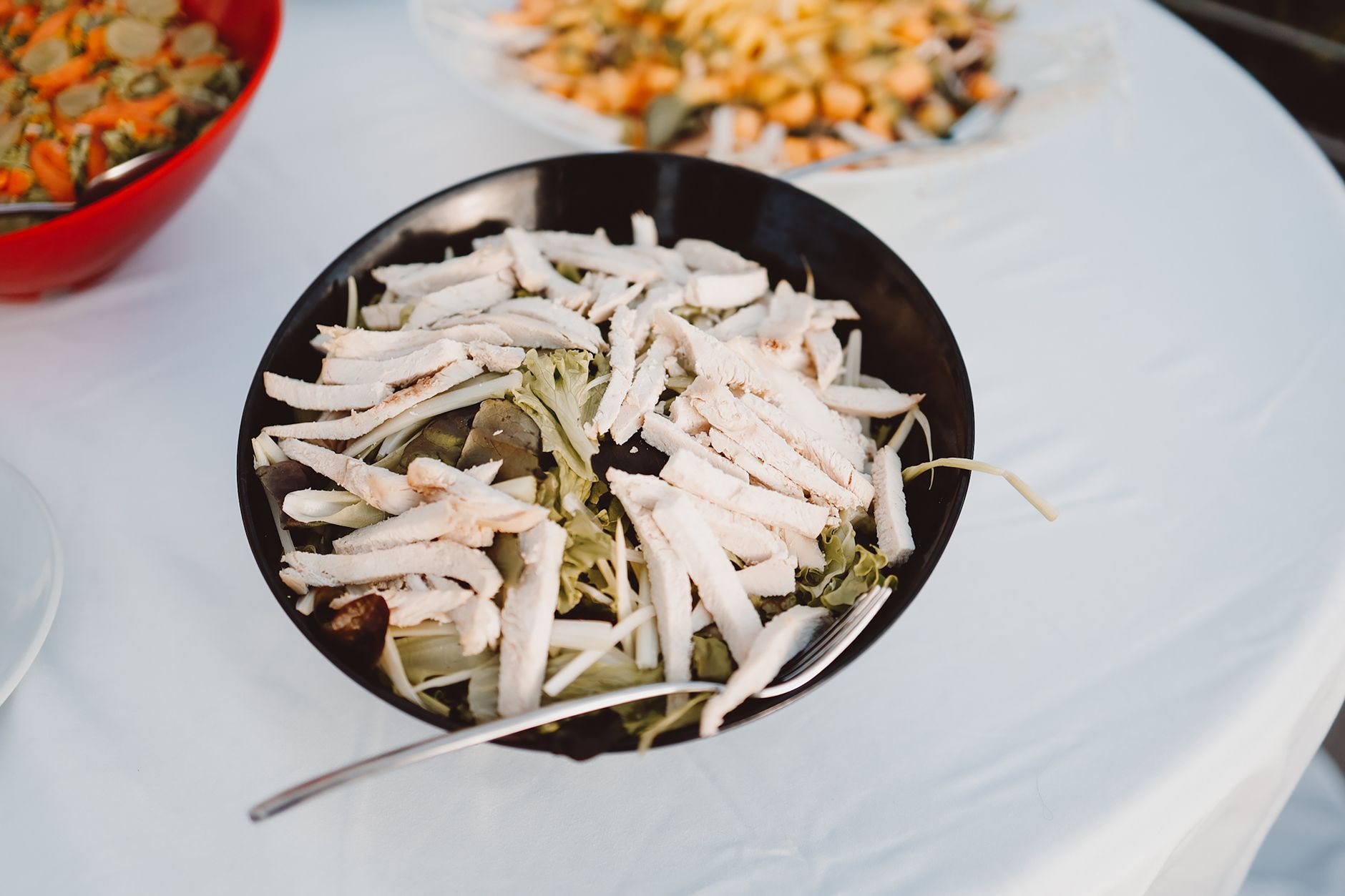
Protein is an essential nutrient that plays a vital role in maintaining and repairing tissues, producing enzymes and hormones, and supporting overall bodily functions. Among various dietary sources, some foods stand out for their high protein content. Knowing how to incorporate these sources into your meals can help you maintain a balanced diet and meet your protein requirements.
This article explores various foods that are high in protein, alongside their nutritional facts, serving sizes, culinary applications, and tips for incorporating them into your daily meals. Whether you’re looking to build muscle, manage weight, or just boost your nutrient intake, this guide will provide you with practical insights.
What Foods Are High in Protein?
High-protein foods come from both animal and plant sources. Here is a detailed breakdown of different food groups that are high in protein:
Animal Sources of Protein
- Meat: Lean meats like chicken breast, turkey, and lean cuts of beef contain a significant amount of protein, typically around 20-30 grams per cooked 3-ounce serving.
- Poultry: Skinless chicken and turkey are excellent choices for high protein. A 3-ounce cooked portion of skinless chicken breast has approximately 26 grams of protein.
- Fish and Seafood: Salmon, tuna, and shrimp are rich in protein, providing around 22-25 grams per 3-ounce cooked serving. They also offer healthy fats and omega-3 fatty acids.
- Dairy Products: Milk, yogurt, and cheese are great sources of protein. One cup of Greek yogurt can have around 20 grams, while 1 cup of milk provides about 8 grams of protein.
- Eggs: One large egg contains about 6 grams of protein and is also packed with essential nutrients.
Plant Sources of Protein
- Legumes: Beans, lentils, and chickpeas are excellent plant protein sources. For instance, one cup of cooked lentils contains around 18 grams of protein.
- Nuts and Seeds: Almonds, peanuts, and pumpkin seeds are protein-rich snacks. A 1-ounce serving of almonds has approximately 6 grams of protein.
- Whole Grains: Quinoa, bulgur, and brown rice provide a decent protein content. One cup of cooked quinoa offers about 8 grams of protein.
- Tofu and Tempeh: These soy-based products are great sources of protein for vegetarians and vegans. Firm tofu can provide around 20 grams of protein per cup.
- Vegetables: While not as high in protein as legumes or grains, some vegetables like broccoli and spinach contain protein. One cup of cooked spinach provides about 5 grams of protein.
Nutritional Facts of High Protein Foods
Understanding the nutritional profile of high-protein foods helps in meal planning and ensuring a balanced intake of other nutrients. Here’s a summary of the nutritional information for some high-protein foods:
| Food Item | Protein (per serving) | Calories | Fat | Carbohydrates |
|---|---|---|---|---|
| Chicken Breast (3 oz) | 26 g | 140 | 3 g | 0 g |
| Salmon (3 oz) | 22 g | 180 | 10 g | 0 g |
| Greek Yogurt (1 cup) | 20 g | 220 | 10 g | 9 g |
| Lentils (1 cup cooked) | 18 g | 230 | 1 g | 40 g |
| Tofu (1 cup) | 20 g | 190 | 11 g | 4 g |
Serving Sizes and How to Incorporate High Protein Foods
Serving sizes matter when optimizing your protein intake. Below are suggestions for incorporating various high-protein foods into meals throughout the day.
Breakfast
- Start your day with a smoothie made from Greek yogurt, spinach, and protein powder.
- Consider a vegetable omelet with two eggs, spinach, and feta cheese.
- For a heartier option, enjoy oatmeal topped with almonds or a scoop of peanut butter.
Lunch
- Opt for a salad with grilled chicken, mixed greens, avocado, and quinoa.
- Try a lentil soup for a filling meal packed with protein.
- For a lighter lunch, a tuna salad can be served on whole-grain bread or nestled in lettuce wraps.
Dinner
- Grilled salmon fillets with steamed broccoli and brown rice make for a well-balanced dinner.
- A stir-fry with tofu, assorted vegetables, and cashews can be both satisfying and protein-rich.
- Consider a beef stir fry with peppers served with a side of quinoa for a fulfilling meal.
Snacks
- Snack on nuts, seeds, or nut butter with apple slices or celery.
- Greek yogurt with fruit or honey is also an excellent protein-packed option.
- Hard-boiled eggs are not only portable but packed with protein too.
Combining Protein Sources for Complete Nutrition
Not all proteins are created equal. Combining different protein sources can enhance their nutritional value. This is particularly important for vegetarians and vegans who may want to ensure they are getting all essential amino acids.
- Rice and Beans: This classic combination provides a complete amino acid profile.
- Peanut Butter on Whole-Grain Bread: The combination of whole grains and legumes ensures sufficient protein quality.
- Lentils and Quinoa: Both are high in protein and complement each other nutritionally.
Common Mistakes When Choosing Protein Sources
While increasing protein in your diet can be beneficial, it’s essential to avoid common pitfalls:
- Focusing solely on animal protein: A balanced approach that includes plant-based sources can be healthier and more sustainable.
- Neglecting overall calorie intake: Consuming too much protein can lead to excessive calorie intake, so balance is essential.
- Relying on processed protein products: While protein bars and powders can be convenient, whole food sources are generally more nutritious.
Meal Planning with High Protein Foods
Planning meals in advance can help you meet your dietary goals and save time. Here’s a weekly meal plan focusing on high-protein options:
Sample Weekly Meal Plan
| Day | Breakfast | Lunch | Dinner |
|---|---|---|---|
| Monday | Omelet with vegetables | Grilled chicken salad | Baked salmon with quinoa |
| Tuesday | Greek yogurt with honey | Lentil soup | Tofu stir-fry |
| Wednesday | Protein smoothie | Tuna salad | Beef and broccoli stir-fry |
| Thursday | Almond butter on toast | Chickpea salad | Grilled shrimp tacos |
| Friday | Oatmeal with eggs | Quinoa and black bean bowl | Chicken fajitas |
| Saturday | Veggie egg muffins | Turkey wrap | Salmon with asparagus |
| Sunday | Smoothie bowl | Quinoa salad | Stuffed bell peppers with ground turkey |
Storing and Preparing High-Protein Foods
Knowing how to store and prepare high-protein foods can help you reduce waste and enhance flavors:
Storage Tips
- Store meats in the freezer if not consumed within a few days to maintain freshness.
- Cooked legumes should be kept in airtight containers in the fridge and consumed within 5-7 days.
- Keep nuts and seeds in a cool, dry place or refrigerate them to extend their shelf life.
Preparation Tips
- Marinate meat to enhance flavor and tenderness before cooking.
- Soak beans and lentils beforehand to reduce cooking time.
- Utilize batch cooking to prepare protein sources like chicken, beans, or quinoa for the week ahead.
By incorporating a variety of high-protein foods into your diet and understanding their nutritional value, you can effectively meet your protein needs while enjoying delicious and diverse meals. Experiment with different recipes and combinations to find what works best for your lifestyle.
Explore more recipes and cooking tips, such as whipping up protein brownies or trying out protein cookies, to further increase your protein intake in tasty ways.