
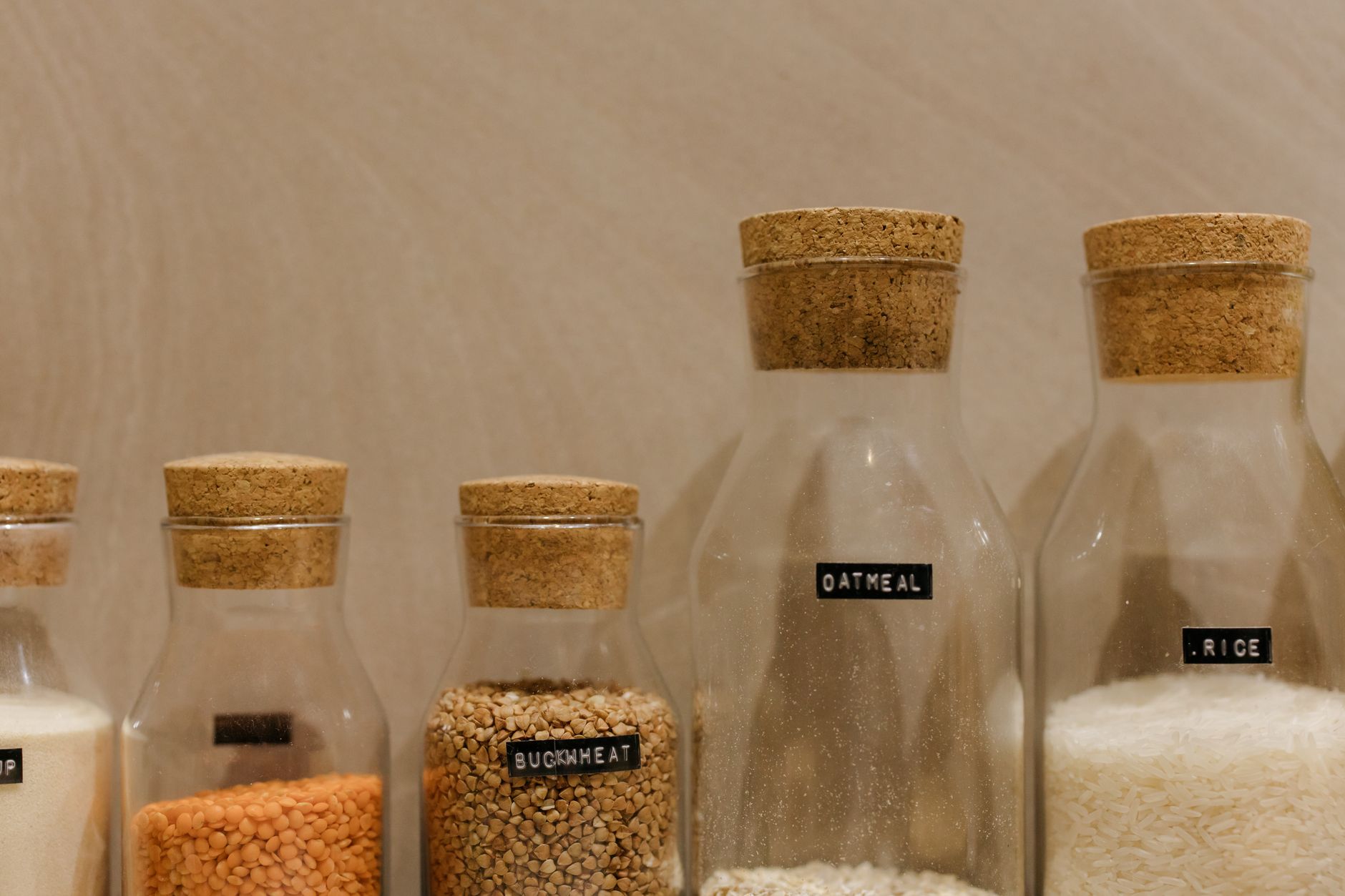
The term “clean label” refers to a product labeling trend characterized by transparency in ingredients and a focus on natural, minimally processed components. As consumers become increasingly health-conscious, clean labels promise to offer greater clarity, helping individuals make informed choices about what they put into their bodies. This article explores the history, origins, and implications of the clean label movement in the food industry.
Throughout this piece, we will delve into the fundamentals of clean labeling, its evolution over time, its significance in today’s marketplace, and insights on how to identify and choose clean label products. Understanding what clean label means can empower consumers to make better dietary choices aligned with their health goals.
What Does Clean Label Mean?
Clean label means that food products feature clear and understandable labels with a focus on natural ingredients that consumers can easily recognize and trust. Clean label products typically avoid artificial additives, preservatives, and highly processed ingredients, reflecting a growing desire for wholesome foods.
The Origins of the Clean Label Movement
The clean label movement can trace its roots back to the early 2000s, driven by a demand for healthier food options. As consumers began becoming more health-conscious, they started questioning food quality and production methods. This led to a significant shift in how food companies approached product development and labeling.
In the early days, clean labels were primarily associated with organic products. However, as the movement gained traction, the definition broadened to include a wider array of products that simply emphasized transparency and ingredient integrity, even if they were not labeled as organic.
Consumer Awareness and Demand
The rise of the internet and social media has empowered consumers to share information and demand better food options. With access to countless resources and platforms, people began to scrutinize food products in ways that had not been possible before. This increased awareness and preference for healthier options have fueled the clean label trend.
Regulatory Perspectives
Governments and food regulatory bodies have also started to recognize the importance of clean labels. Various organizations are working on guidelines for food labeling that promote transparency and accuracy, helping foster consumer trust in the food supply. While there is no single definition of “clean label,” regulatory discussions are beginning to shape its principles and applications in different markets.
Key Principles of Clean Labeling
Clean labeling is built upon several core principles that aim to enhance consumer trust and transparency. Below are the primary attributes that define what a clean label should encompass:
- Simplicity: A clean label should have a short and straightforward ingredient list, ideally composed of familiar and recognizable items.
- Transparency: Labels must provide clear information regarding ingredient sourcing and production methods, offering insight into how products are made.
- No Artificial Additives: Clean labels typically exclude artificial colors, flavors, and preservatives, favoring natural alternatives instead.
- Healthier Options: Products with clean labels often aim to be nutritionally balanced, containing fewer additives and unhealthy ingredients.
How to Identify Clean Label Products
Choosing clean label products involves more than just looking for the term “clean” on packaging. Here are several practical tips to help you identify clean label options:
Read the Ingredient List
The ingredient list is a critical component of any food product’s label. For a product to be considered clean label, it should have a short ingredient list made up of whole or minimally processed foods that you can easily recognize.
Check for Certifications
Look for certifications such as “Non-GMO,” “Organic,” or “Gluten-Free.” While not all clean label products will bear these labels, certifications can provide additional assurances regarding the integrity of the ingredients.
Avoid Misleading Terminology
Beware of marketing jargon that may appear on packaging. Terms like “natural” or “wholesome” are not always regulated and can be misleading. Instead, focus on the ingredient list and established certifications.
Research the Brand
Some brands are committed to clean label practices and transparent sourcing. Research brands and look for information about their values, ingredient sourcing, and manufacturing practices on their websites.
Clean Label vs. Natural Foods
The terms “clean label” and “natural foods” are often used interchangeably, yet they represent distinct concepts. Natural foods generally refer to products that have not been artificially modified or supplemented with chemicals. Conversely, clean label products emphasize clarity in labeling and ingredient sourcing.
Understanding Natural Foods
Natural foods often include items that are minimally processed and free from artificial ingredients. However, they may not adhere to the stricter guidelines associated with clean labels, as natural foods can sometimes still contain additives or preservatives as long as they are “natural.” This is where clean label products may offer consumers an additional layer of confidence.
The Impact of Clean Label on the Food Industry
The clean label movement has significantly impacted the food industry, pushing manufacturers to reformulate products and innovate. Here are some ways clean labeling has changed the landscape:
Product Reformulation
As a response to demand for clean label products, many food companies have started reformulating existing products to remove artificial ingredients, preservatives, and chemicals. This often results in healthier offerings that appeal to a broader market.
Innovation in Food Production
The movement has sparked innovation in how food is produced. Companies are researching and implementing alternative preservation methods, natural flavoring solutions, and responsibly sourced ingredients to meet consumer expectations.
Market Growth
The clean label trend has led to substantial market growth. Retailers have expanded their clean label offerings, with many grocery stores creating dedicated sections for such products. Consumers actively seek out clean label options, and companies recognize this trend as an opportunity for increased profit margins.
Challenges for the Clean Label Movement
Despite the widespread support for clean labeling, several challenges persist. Understanding these obstacles is crucial for consumers and manufacturers alike.
Cost of Clean Ingredients
Clean label products often employ higher-quality and sustainably sourced ingredients, which can lead to increased production costs. Consequently, consumers may find clean label options to be more expensive than traditional processed products.
Maintaining Flavor and Texture
Removing artificial ingredients poses a challenge in maintaining the taste and texture of products, especially in processed foods. Manufacturers must carefully balance formulations to ensure that clean label products meet consumer expectations without compromising quality.
Regulatory Confusion
The lack of standardized definitions and regulations surrounding clean label claims can create confusion among consumers and companies. This ambiguity can sometimes lead to marketing practices that mislead consumers about the contents of a product.
Future of Clean Labeling
The future of the clean label movement appears strong, with consumer demand continuing to grow. As awareness of health and nutrition increases, the food industry will likely experience further innovation and dedication towards clean labeling practices.
Consumer engagement will also play a crucial role in shaping the future of clean label products. With more individuals prioritizing healthy living, brands may increasingly be held accountable for transparency and integrity in their labeling.
Potential Innovations
The future may witness innovative approaches to clean labeling, including:
- Advanced Preservation Techniques: New methods for conserving freshness and quality without chemical additives.
- Blockchain Technology: Improved traceability in the food supply chain, allowing consumers to track the origin of ingredients.
- Enhanced Nutritional Information: Deeper insights into product sourcing and nutritional benefits tailored to consumer needs.
Tips for Embracing Clean Label Choices
While navigating the clean label aisle, consider these practical tips to empower your shopping habits:
Cook More at Home
Emphasize cooking meals from scratch using fresh ingredients, which allows you better control over what goes into your food. Prepare a variety of clean label meals by focusing on whole foods like vegetables, lean proteins, whole grains, and fresh herbs.
Explore New Brands
Discovering new brands that prioritize clean labeling can open up exciting options for your pantry. Attend local farmer’s markets or specialty grocery stores to find innovative and trustworthy products.
Stay Informed
Stay updated on food trends and natural ingredients by subscribing to blogs, newsletters, or attending workshops on healthy eating. Understanding the latest developments can empower you to make informed decisions.
By embracing clean label choices and remaining aware of your food sources, you can foster a healthy lifestyle while supporting brands that align with your values.
The clean label movement signifies a broader cultural shift towards transparency and quality in food consumption. Through the application of its core principles, individuals can confidently navigate their food choices and cultivate a wholesome eating experience.
For practical cooking tips and guides on clean eating, explore our resources on meal planning, ingredient substitution, and healthy recipes to incorporate clean label products into your daily meals.