
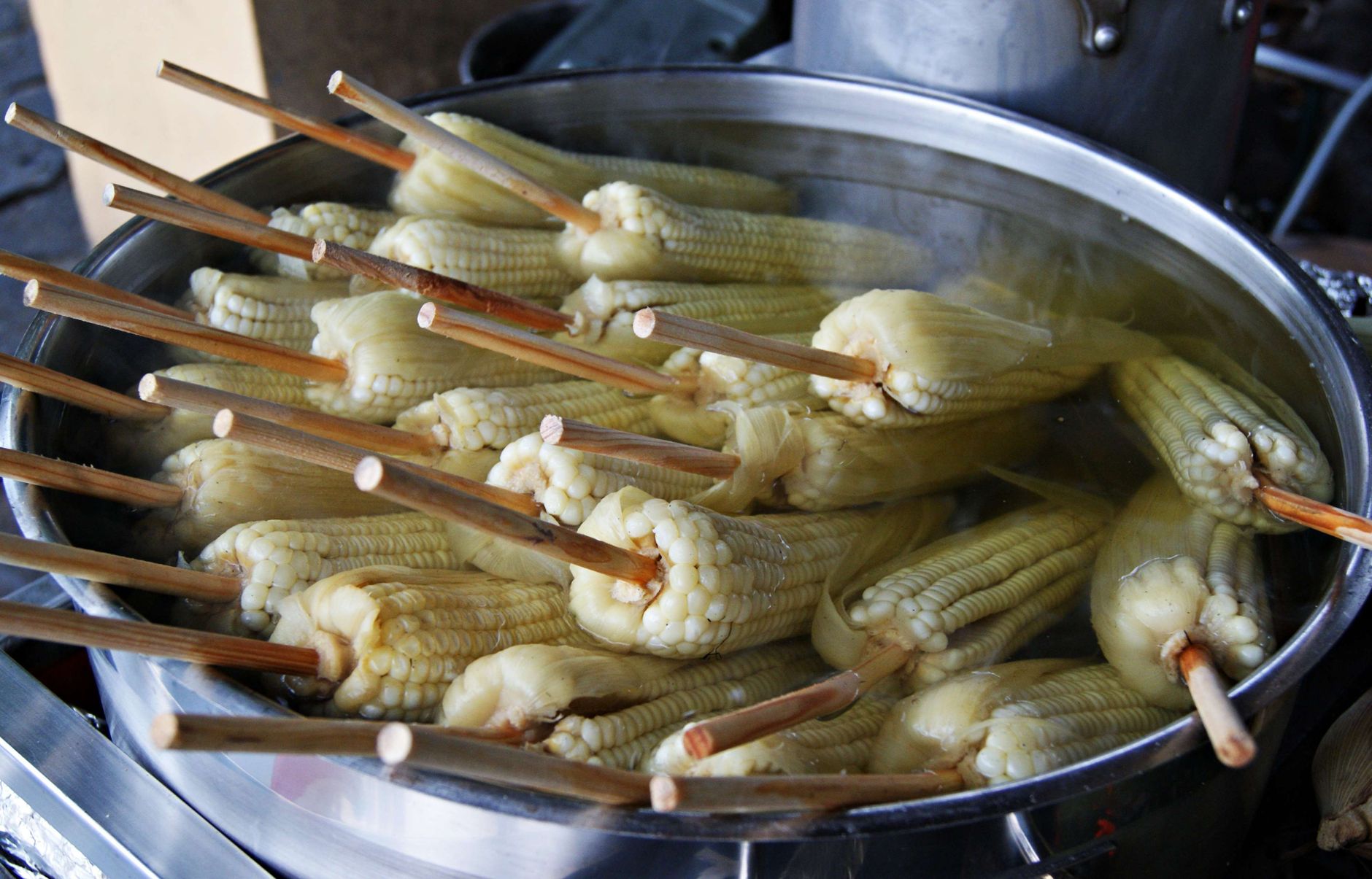
Steaming corn on the cob is a cooking method that allows this popular vegetable to shine in its natural flavor. The process preserves the sweet and tender qualities of the kernels while keeping the vibrant yellow color intact. Whether you are preparing a picnic spread, a family dinner, or simply craving a fresh taste of summer, learning how to steam corn on the cob can elevate your meal.
This guide will walk you through the essentials of steaming corn on the cob, including preparation, cooking times, serving suggestions, and possible variations. You will discover the best techniques to ensure perfectly steamed corn that delights the palate.
Can You Steam Corn on the Cob?
Yes, you can steam corn on the cob, and it’s an excellent way to prepare this classic dish. Steaming retains more nutrients compared to boiling and enhances the natural sweetness of the corn. The steaming process takes only a short time, making it a quick addition to any meal. Here’s how to get started.
Preparation of Corn on the Cob
Preparing corn on the cob for steaming is a straightforward process. Here are the steps to ensure your corn is ready.
- Choosing Corn: Select fresh corn on the cob. Look for bright green husks, moist silk, and firm kernels. Fresh corn is typically sweet and juicy.
- Husking: Remove the outer husks of the corn completely. Ensure to pull off all silk strands for cleaner eating.
- Trimming: If desired, cut off the pointed ends of the cobs for easier handling and presentation.
Equipment Needed for Steaming Corn
To steam corn on the cob, you will need specific equipment. Here’s a list of items for efficient steaming.
- Large pot with a lid
- Steamer basket or rack (if available)
- Water
- Tongs or a slotted spoon
- Butter and seasonings for serving (optional)
Steaming Corn on the Cob: Step-by-Step Method
The following steps detail the steaming process for corn on the cob. This method is simple and effective.
- Prepare the Pot: Fill a large pot with about 1 inch of water. If you have a steamer basket or rack, place it inside the pot.
- Bring to a Boil: Cover the pot and bring the water to a rolling boil over high heat.
- Add Corn: Carefully place the husked corn on the cob in the steamer basket or directly into the boiling water if you don’t have a steamer basket.
- Cover and Steam: Cover the pot with the lid. Steam the corn for approximately 4 to 6 minutes. The timing will depend on the size of the corn and your texture preference.
- Check Doneness: After 4 minutes, check one cob for doneness. The corn should be bright yellow and tender but still crisp.
- Remove and Serve: When the corn is done, carefully remove it from the pot using tongs or a slotted spoon. Serve immediately with butter, salt, or any other desired toppings.
Timing for Steaming Corn on the Cob
Timing is crucial when steaming corn. Here’s a guide to ensure perfect results:
- Small Cobs: Steam for about 4 minutes.
- Medium Cobs: Steam for about 5 minutes.
- Large Cobs: Steam for about 6 to 7 minutes.
Keep in mind that the corn continues to cook slightly after being removed from the heat. It’s better to undercook slightly than to overcook.
Serving Tips for Steamed Corn on the Cob
Steamed corn on the cob is versatile and can be seasoned a variety of ways. Here are some serving suggestions:
- Classic Butter and Salt: Spread softened butter over the corn and sprinkle with sea salt for a traditional taste.
- Herbed Butter: Mix softened butter with fresh herbs like parsley or thyme for a fragrant addition.
- Spicy Variation: Brush the corn with chili powder, lime juice, and cotija cheese for a Mexican-style treat.
- Cheese Topping: Grate parmesan or feta over hot corn for a savory twist.
Variations and Substitutions
If you want to try something different with your steamed corn on the cob, consider these variations:
- Extra Flavor: Add herbs, garlic, or onion to the water when steaming for a subtler flavor infusion.
- Grilled Corn: After steaming, grill the corn for a few minutes for additional smokiness and char. Brush with herb-infused oil for richness.
- Infused Steaming: Use stock or broth instead of water for steaming to impart additional flavor.
Common Mistakes When Steaming Corn
Take note of these common mistakes to ensure you achieve the best results:
- Overcrowding the Pot: Ensure there is enough space for steam to circulate. Don’t overload the pot.
- Skipping the Lid: Not using a lid will prolong cooking time and result in uneven cooking.
- Ignoring Doneness: Testing for doneness after the minimum time will help you avoid overcooking.
Storage and Reheating Steamed Corn on the Cob
If you have leftovers after steaming corn on the cob, here’s how to store and reheat them effectively:
- Storage: Allow the corn to cool, then wrap in plastic wrap or foil. Store in the refrigerator for up to 3 days.
- Reheating: Reheat in the microwave for 1-2 minutes until warmed through. Alternatively, reheat on the grill or stovetop for a charred flavor.
Additional Tips for Perfectly Steamed Corn
Here are some final tips to enhance your experience with steaming corn on the cob:
- Freshness Matters: The fresher the corn, the sweeter and more flavorful it will be. Purchase corn as close to cooking time as possible.
- Even Cooking: Cut off the ends of cobs to ensure they fit nicely and steam evenly, especially if using a smaller pot.
- Experiment with Flavors: Try different butters or toppings for diverse flavor experiences each time you prepare it.
Conclusion
Steaming corn on the cob is a simple and nutritious cooking method that allows you to enjoy this delightful vegetable in its purest form. By following the steps outlined in this article, you can prepare the perfect corn on the cob, tailored to your taste preferences. Whether served plain or dressed up with toppings, steamed corn is a fantastic addition to any meal.
To further enhance your cooking repertoire, consider exploring delicious recipes like corn souffle or discovering how to make corn ribs. Embrace the versatility of corn in your kitchen today!