
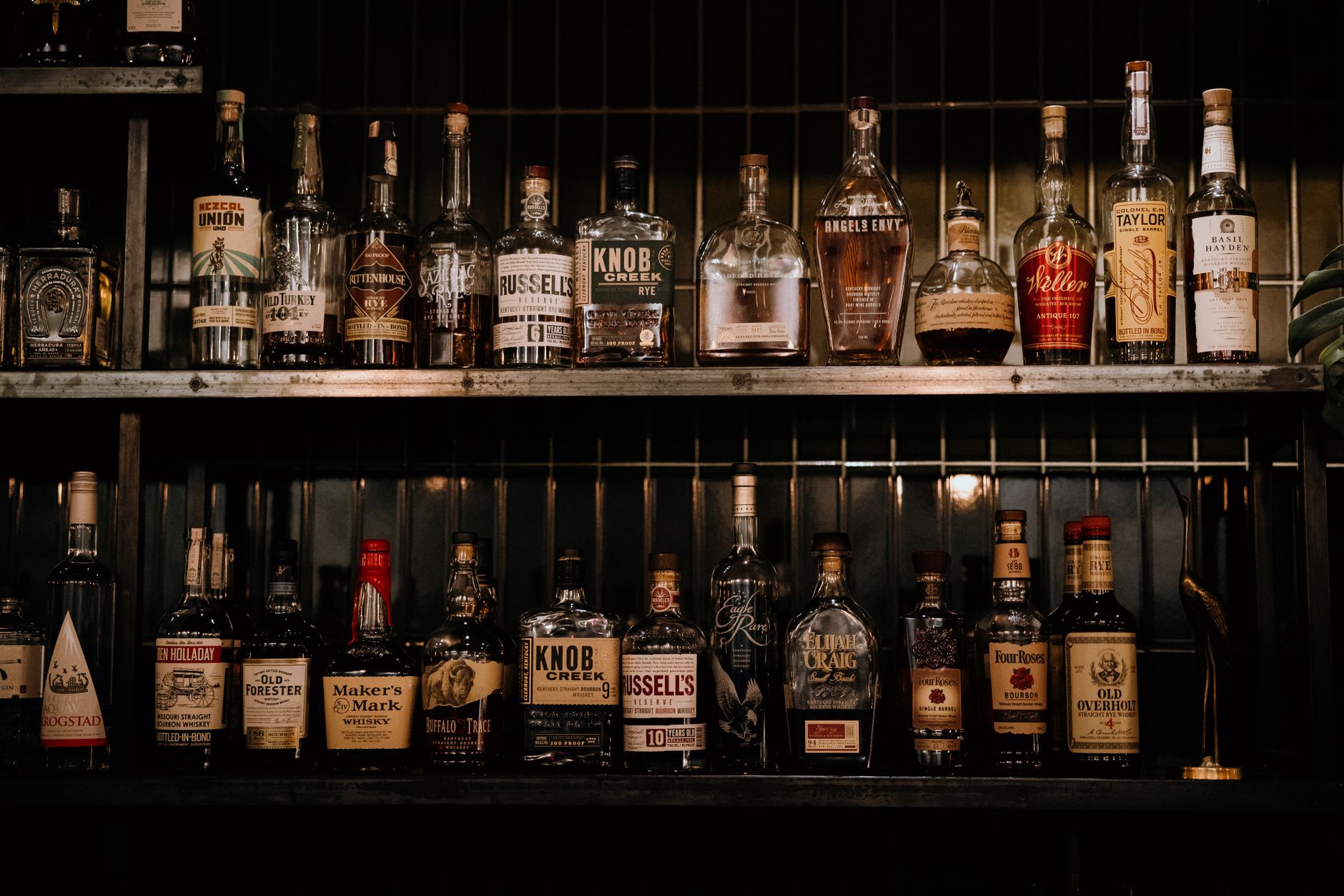
Bourbon whiskey offers a unique and rich flavor profile that has made it a favorite among spirits enthusiasts. But what goes into creating this distinctive beverage? Understanding the components of bourbon whiskey helps appreciate its complex taste and aroma. In this guide, we will explore the primary ingredients used in bourbon whiskey production, their roles, and how they contribute to the final product.
Bourbon is made primarily from grains, but it has specific requirements for its production that set it apart from other whiskeys. With its origins deeply rooted in American history and culture, bourbon whiskey is often crafted in the United States, particularly in Kentucky. Let’s dive into what bourbon whiskey is made from and how each ingredient plays a critical role.
What Is Bourbon Whiskey Made From?
Bourbon whiskey is made from a mash bill that contains at least 51% corn. Other grains, such as rye, barley, and wheat, are mixed in to add unique flavors and textures. This grain mixture is fermented, distilled, aged in charred oak barrels, and finally bottled. Each ingredient contributes to the overall character of the bourbon.
1. Corn
Corn is the primary ingredient in bourbon whiskey, making up at least 51% of the mash bill. The use of corn gives bourbon its distinctive sweetness. The higher the percentage of corn used, the sweeter the final whiskey will taste. This sugar content during fermentation contributes to the alcohol production process.
- Flavor: Corn adds notes of caramel, vanilla, and sometimes a hint of fruit.
- Texture: Provides a smooth mouthfeel.
Types of Corn Used in Bourbon
While dent corn is the most common type used in bourbon production due to its high starch content and efficiency in fermentation, some distilleries experiment with different varieties like sweet corn for added flavor complexity.
2. Rye
Rye is another significant grain in bourbon production, though it must make up less than 50% of the mash bill. Rye imparts spice and complexity to the flavor profile. The spiciness of rye can create a balanced contrast to the sweetness of corn.
- Flavor: Rye brings peppery, spicy notes and a bit of fruitiness.
- Texture: Enhances mouthfeel with a slightly dry finish.
Rye Bourbon
Bourbon with a higher percentage of rye is sometimes referred to as “rye bourbon” and is characterized by a more pronounced spice flavor compared to sweeter counterparts.
3. Barley
Barley is typically included in smaller amounts, often less than 5% of the mash bill. This grain serves several purposes: it helps convert the starches from corn and rye into sugars during the malting process, and it adds a slight nuttiness to the flavor.
- Flavor: Can contribute to a toasted or nutty taste.
- Texture: Adds a layer of creaminess.
Malting Process
During malting, barley grains are soaked in water, allowed to germinate, and then dried in a kiln. This process activates enzymes in the grain, which break down starches into sugars, making them fermentable. The amount of barley used in bourbon can vary based on desired flavor outcomes.
4. Wheat
Wheat is an alternative to rye in some bourbon recipes, contributing sweetness and softer flavors. Bourbon that includes a higher amount of wheat tends to be smoother and creamier with fewer spicy notes.
- Flavor: Offers notes of bread and a gentle sweetness.
- Texture: Aids in creating a mellower mouthfeel.
Wheated Bourbon
Wheated bourbons, such as Maker’s Mark, are known for their softer taste profile. They replace rye with wheat as the secondary grain, resulting in a sweeter, more rounded whiskey.
5. Water
The water used in bourbon production plays a crucial role. Distilleries often source water from local springs, ensuring it is pure and well-suited for bourbon making. The mineral content of the water can also affect the whiskey’s flavor.
- Flavor: Contributes to the overall character but is usually neutral in taste.
- Texture: Affects smoothness and mouthfeel based on its mineral content.
Importance of Water Quality
The quality and purity of water ensure that the fermentation and distillation processes occur effectively. Rustic sources may impart specific minerals that enhance or alter the bourbon’s character.
6. Yeast
Yeast is necessary for fermentation, where it converts sugar into alcohol. Different strains of yeast can dramatically influence the flavor profile of bourbon. Distilleries may cultivate their proprietary yeast strains that generate unique flavors, enhancing the complexity of the final product.
- Flavor: Can introduce fruity, floral, or spicy notes dependent on yeast variety.
- Texture: Influences the smoothness and overall mouthfeel of the whiskey.
Fermentation Process
The fermentation process typically lasts for several days. Yeast will thrive in the sugar-rich environment, producing alcohol and carbon dioxide. The byproducts generated during fermentation contribute to the complexity of flavors found in bourbon.
7. Aging in Charred Oak Barrels
After fermentation, the whiskey is distilled and then aged in new charred oak barrels. This aging process is critical to developing bourbon’s signature flavors. The charred interior of the barrels interacts with the alcohol, pulling out flavors and imparting color.
- Flavor: Contributes notes of vanilla, caramel, and toasted oak.
- Texture: Aids in mellowing the sharpness of the alcohol.
Barrel Char Levels
The level of charring (ranging from light to heavy) affects how much flavor the whiskey extracts from the wood. A heavier char tends to contribute richer flavors, while lighter charring may lead to more delicate notes.
Understanding Bourbon Regulations
To be labeled as bourbon, whiskey must adhere to strict regulations outlined by U.S. law. In addition to the grain composition, it must be distilled to no more than 160 proof (80% alcohol by volume), aged in new charred oak barrels, and contain no added flavors or colors. Furthermore, to be called “straight bourbon,” it must be aged for at least two years.
Practical Applications: Cooking with Bourbon
Understanding what bourbon is made from not only enhances your appreciation for this famous spirit but also encourages creativity in the kitchen. Bourbon’s complex flavors make it an excellent ingredient for glazes, marinades, and sauces. Below, we’ll explore how to effectively use bourbon in your cooking.
1. Bourbon Glaze
Bourbon glaze is a rich and flavorful sauce ideal for meats such as chicken, pork, or salmon. The sweetness of the bourbon complements savory profiles, adding depth to your dishes. Here’s a simple bourbon glaze you can make:
Ingredients
- 1 cup bourbon whiskey
- 1 cup brown sugar
- 1/2 cup soy sauce
- 1/4 cup Dijon mustard
- 1 tablespoon minced garlic
- 1 tablespoon cornstarch (optional for thickening)
Instructions
- In a saucepan, combine bourbon, brown sugar, soy sauce, mustard, and garlic.
- Bring the mixture to a boil over medium heat, stirring occasionally.
- Reduce heat and simmer for about 10-15 minutes, allowing it to reduce and thicken slightly.
- If desired, mix cornstarch with a little cold water and stir into the glaze to thicken further.
- Remove from heat, let cool, and use as a marinade or finishing glaze.
2. Bourbon Sour
Another way to incorporate bourbon into your kitchen is through cocktails. A Whiskey Sour is a classic drink that highlights bourbon’s sweetness while balancing it with citrus. Here’s a bourbon sour recipe:
Ingredients
- 2 oz bourbon whiskey
- 3/4 oz fresh lemon juice
- 1/2 oz simple syrup
- Ice
- Cherry or lemon wheel for garnish
Instructions
- In a cocktail shaker, combine bourbon, lemon juice, and simple syrup.
- Add ice and shake well for about 15 seconds.
- Strain into a glass filled with ice or a straight glass.
- Garnish with a cherry or a lemon wheel.
Common Mistakes When Making Bourbon
Here are some common mistakes to avoid when working with bourbon-based recipes:
- Not using quality bourbon: The flavor of your dish directly relates to the quality of the bourbon you choose. Use a good-quality bourbon rather than something inexpensive.
- Overheating the bourbon: When cooking with bourbon, avoid boiling it for prolonged periods as it can lead to the loss of flavors and the development of bitterness.
- Skipping the aging process: If making bourbon-infused dishes, ensure you allow the bourbon ample time to meld with other flavors. Marinating also benefits from longer times for full flavor development.
Storage Tips for Bourbon
For those who want to savor bourbon over time, proper storage is essential to maintain its quality:
- Store bourbon bottles upright to prevent the cork from deteriorating.
- Choose a cool, dark place away from direct sunlight and temperature fluctuations.
- Keep the bottle sealed tightly to prevent evaporation and oxidation.
Conclusion
Bourbon whiskey is crafted from a thoughtful combination of ingredients including corn, rye, barley, wheat, water, and yeast. Each element plays an important role in creating the nuanced flavors that define this spirit. Understanding what bourbon is made from can not only enhance your appreciation for this age-old craft but also inspire you to explore creative culinary applications.
Explore the world of bourbon with these culinary creations: try your hand at a bourbon glaze recipe or shake up a whiskey sour recipe to enjoy the rich flavors of this versatile spirit in your cooking and drinking experiences.