
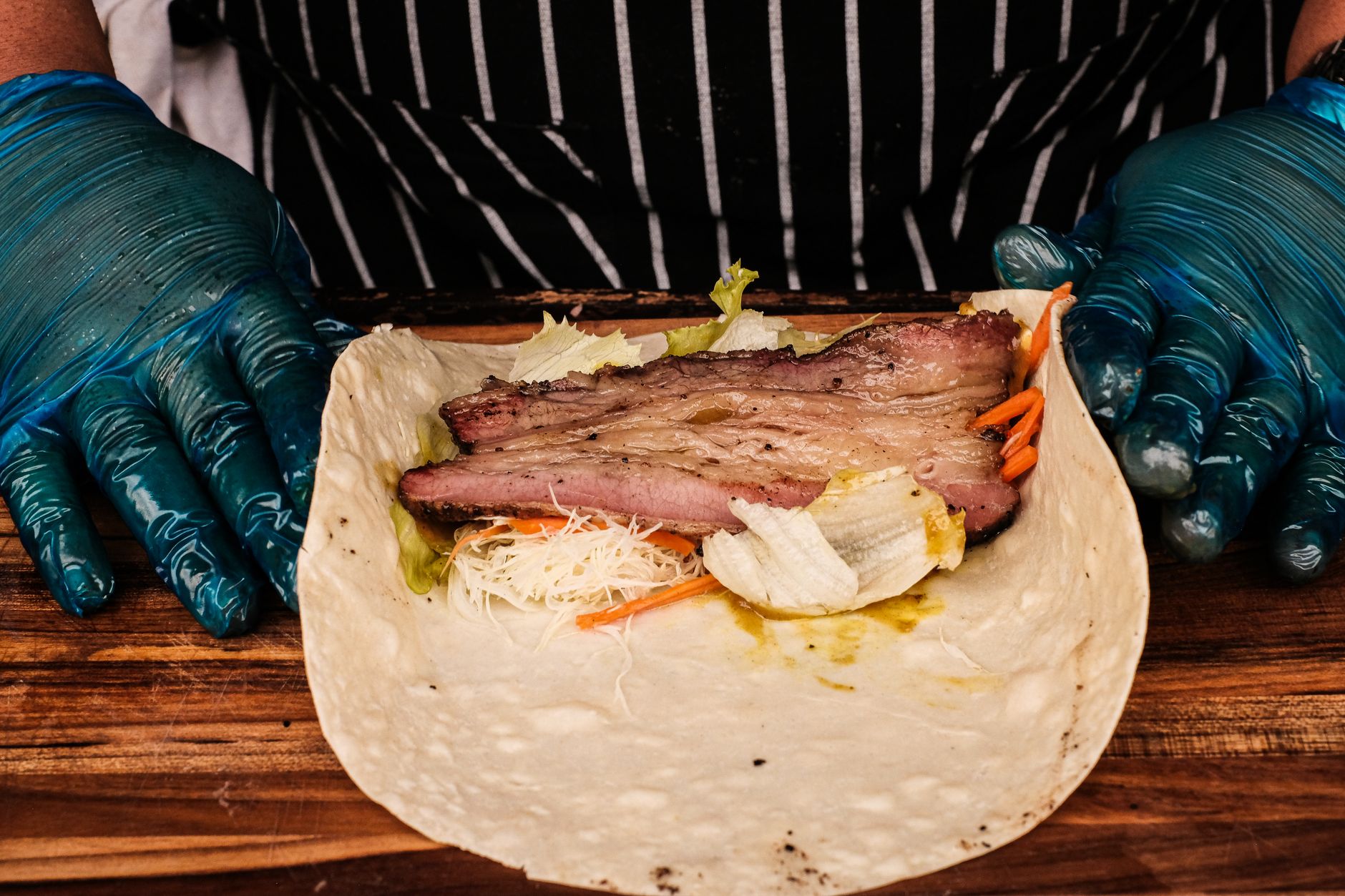
When it comes to preparing a perfectly tender and flavorful brisket, timing and technique are crucial. One important step in this process involves wrapping the brisket at the right temperature, a technique that helps maintain moisture and enhances flavor. Understanding the optimal temperature to wrap a brisket can take your BBQ game to the next level.
Whether you are preparing for a backyard cookout or a family gathering, learning this technique will ensure your brisket turns out juicy and delicious. In this guide, we’ll discuss the best practices for wrapping brisket, including the ideal temperature, methods, and tips for achieving doneness.
What Temp Do You Wrap a Brisket?
The ideal time to wrap a brisket is typically when it reaches an internal temperature of 150°F to 170°F (65°C to 77°C). This is when the meat is often in the stall phase, where its temperature plateaus momentarily. Wrapping the brisket helps retain moisture and promotes a more tender end product.
The Science of Wrapping Brisket
Wrapping brisket serves several vital purposes:
- Moisture Retention: By wrapping the meat, you trap steam, which helps keep the brisket moist during the cooking process.
- Temperature Control: Wrapping can help regulate the brisket’s temperature, allowing it to cook evenly.
- Enhanced Flavor: Wrapping can also allow for further absorption of smoke flavor while protecting the bark (the caramelized exterior) from becoming overly tough.
When to Wrap a Brisket
As mentioned, the ideal temperature to wrap a brisket is between 150°F to 170°F. However, several factors can influence the exact timing, including the cooking method (smoker vs. oven), the size of the brisket, and the desired bark texture.
Understanding the Stall
During the smoking process, the brisket’s temperature will often plateau due to evaporative cooling. This phase, known as “the stall,” typically occurs around 150°F to 170°F. Wrapping the brisket can help push past this stall, allowing it to continue cooking and reach the desired tenderness.
How to Wrap a Brisket
There are multiple methods to wrap a brisket, commonly using aluminum foil or butcher paper. Each method has its effects on tenderness and flavor. Here’s how to do each:
Using Aluminum Foil
- Once the brisket reaches the desired temperature (150°F to 170°F), carefully remove it from the heat source.
- Lay out a large piece of heavy-duty aluminum foil, enough to cover the entire brisket. A double layer may be helpful for larger cuts.
- Place the brisket in the center of the foil and add any desired seasonings or a bit of beef broth for extra moisture.
- Fold the foil tightly around the brisket to prevent steam from escaping.
- Return the wrapped brisket to the smoker or oven.
Using Butcher Paper
- Like with aluminum foil, allow the brisket to reach 150°F to 170°F.
- Lay out a large piece of butcher paper, ideally pink butcher paper, which is more breathable than foil.
- Place the brisket on the butcher paper, using the same method of adding broth or seasoning if desired.
- Wrap the brisket tightly, ensuring it is covered but still has some airflow.
- Return it to the heat source, checking periodically for doneness.
How Long to Cook a Wrapped Brisket
The cooking time for a wrapped brisket can depend on various factors, including its weight and thickness. Generally, once wrapped, the brisket can take anywhere from 1 to 3 additional hours to reach the final internal temperature of 203°F (95°C), which is typically considered the sweet spot for brisket tenderness.
Doneness Temperatures
- 195°F to 203°F: Ideal range for a tender brisket.
- 205°F: Some pitmasters prefer to cook it a bit higher for extreme tenderness.
Monitoring Internal Temperature
A reliable meat thermometer is vital in ensuring your brisket reaches the desired doneness. This is crucial for both safety and flavor. Insert the thermometer into the thickest part of the brisket, making sure not to touch any bones as they can give a misleading temperature reading.
Common Mistakes When Wrapping Brisket
Understanding how to wrap a brisket effectively can help avoid common pitfalls:
- Wrapping Too Early: If you wrap too soon, the meat may not achieve enough color or smoky flavor.
- Too Much Wrapping: Applying multiple layers of wrap can lead to overcooking and a loss of texture.
- Not Monitoring Temperature: Without constant checks on the temperature, you risk cooking beyond desired doneness.
Serving Suggestions
Brisket can be served in a multitude of ways, from traditional barbecue platters to hearty sandwiches. Consider these serving suggestions to make the most of your brisket:
- Serve sliced brisket with barbecue sauce, pickles, and toasted bread for classic BBQ sandwiches.
- Pair brisket with coleslaw, smoked beans, and cornbread for a full meal.
- Use leftover brisket for tacos or nachos topped with cheese and fresh salsa.
Storage and Reheating Tips
If you have any leftovers, proper storage and reheating techniques play a crucial role in maintaining the brisket’s quality:
- Store cooled brisket wrapped tightly in plastic wrap or airtight containers in the refrigerator for up to 4 days.
- For longer storage, consider freezing sliced brisket in vacuum-sealed bags, where it can last for up to three months.
- When reheating, do so gently in an oven set to 250°F (121°C). Wrap the brisket in foil with a few tablespoons of beef broth to keep it moist.
Frequently Asked Questions
Can I wrap brisket in parchment paper?
Parchment paper is not recommended for wrapping brisket, as it does not hold moisture effectively. Instead, you should opt for aluminum foil or butcher paper.
Is it necessary to wrap a brisket?
While it is not strictly necessary to wrap a brisket, doing so can significantly enhance moisture retention and tenderness, especially for longer cooking times.
Does wrapping brisket affect bark formation?
Yes, wrapping can soften the bark slightly, especially if using foil. Butcher paper allows for some airflow, which can help maintain a crispy outer crust.
Conclusion
Wrapping a brisket at the right temperature and using proper techniques can significantly improve the flavor and tenderness of your meat. By understanding when and how to wrap your brisket, you can elevate your cooking and impress your guests with incredibly tender, flavorful results. Next time you fire up the grill or smoker, remember these tips for achieving brisket perfection!
For more delicious recipes and cooking techniques, consider exploring our guides on slow cooking techniques, smoking meat essentials, and sides for barbecue.