
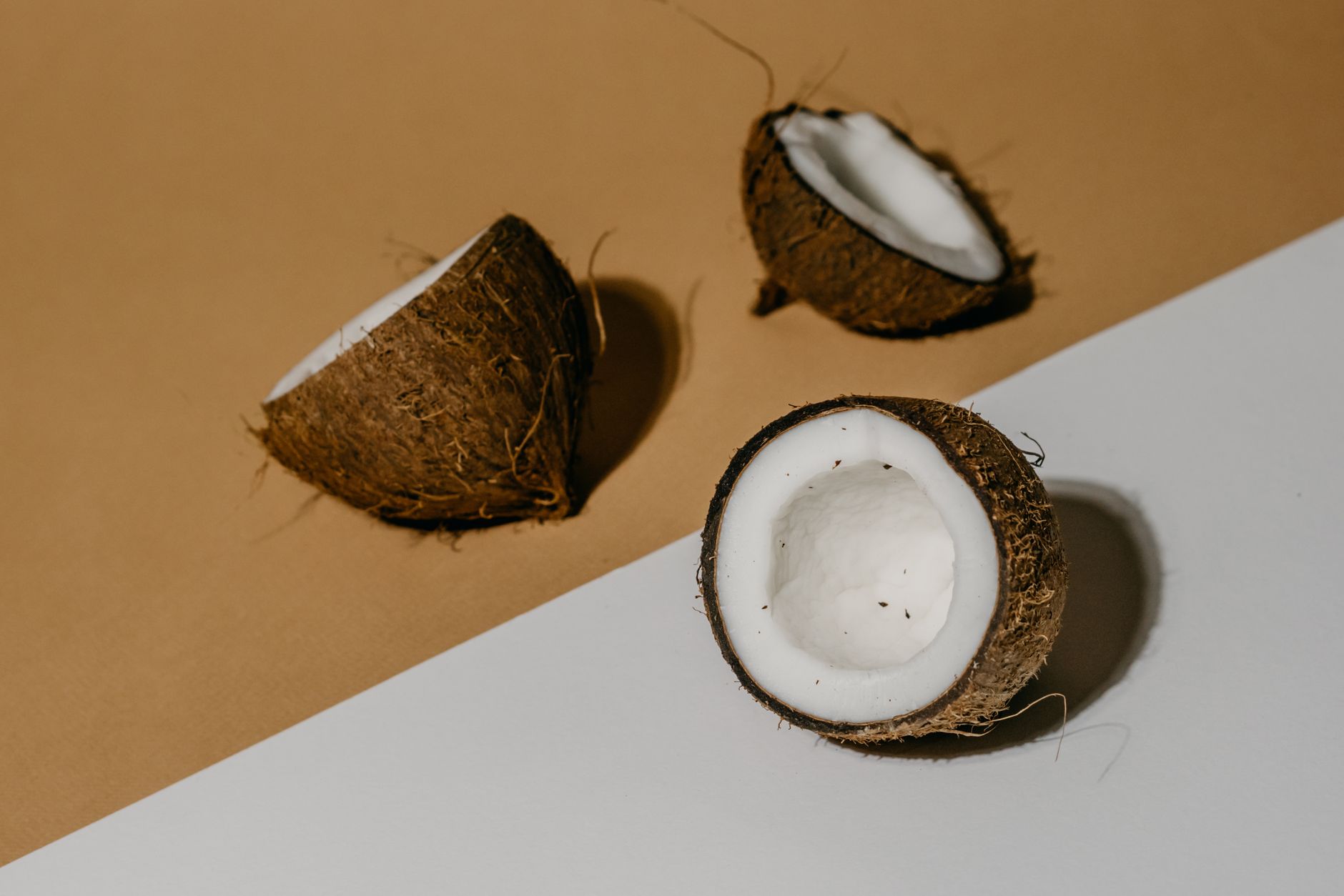
Coconuts are a popular ingredient in many cuisines, known for their creamy texture and tropical flavor. Whether you’re using coconut milk in curries, shredded coconut in desserts, or the fresh meat in smoothies, understanding the weight of a coconut can help in recipe planning and portion control. Let’s explore how much a coconut typically weighs, the different types of coconuts, and how this knowledge can guide your cooking.
This article covers various aspects of coconuts, including their weight, common culinary uses, and tips for selecting and storing them. With this information, you will enhance your cooking experience and learn how to incorporate this versatile ingredient into your meals effectively.
How Much Does a Coconut Weigh?
The weight of a coconut can vary significantly based on its type and maturity. On average, a whole coconut weighs between 1.5 to 2.5 pounds (680 to 1134 grams). However, the weight can range from around 1 pound (454 grams) for smaller, immature coconuts to over 5 pounds (2270 grams) for larger varieties.
To provide a clearer breakdown:
- Small coconuts: 1 – 1.5 pounds (454 – 680 grams)
- Medium coconuts: 1.5 – 2.5 pounds (680 – 1134 grams)
- Large coconuts: 2.5 – 5 pounds (1134 – 2270 grams)
Types of Coconuts and Their Weights
Understanding the different types of coconuts can help you choose the right kind for your needs. Here are the most prevalent types:
1. Green Coconuts
Green coconuts are harvested when they are still immature and full of juice. They typically weigh between 1.5 and 2 pounds (680 to 908 grams). The water inside is refreshing and often consumed directly, perfect for hydration.
2. Brown Coconuts
Brown coconuts are the mature stage of coconuts. The husk is tough and hairy, and they usually weigh between 2 to 5 pounds (908 to 2270 grams). The flesh of brown coconuts is thicker and can be grated, shredded, or blended for culinary uses.
3. Dried Coconuts
Dried coconuts, or copra, have had their water content removed and are used primarily in processed coconut products. These may weigh less due to the dehydration process and can vary considerably in weight depending on how much moisture remains.
Culinary Uses of Coconuts
Coconuts are incredibly versatile in cooking and baking. Each part of the coconut can be utilized in various ways:
- Coconut Water: The clear liquid inside green coconuts is hydrating and can be used in smoothies or drinks.
- Coconut Milk: Made by blending the flesh of brown coconuts with water, this creamy liquid is a staple in many Asian dishes.
- Shredded Coconut: Dried or fresh grated coconut is used in desserts, granola, and as toppings for various dishes.
- Coconut Oil: Extracted from the meat, coconut oil is popular for cooking, baking, and skincare.
Selecting the Right Coconut
Choosing the right coconut for your recipe can enhance the flavor and texture of your dishes. Here are some tips:
- Weight: A heavier coconut is usually a sign of a fuller liquid inside. Shake it gently to hear if there’s water. If you don’t hear any sloshing, it could be dried up, which may affect freshness.
- Appearance: Look for coconuts with a firm, unblemished shell and three “eyes” (the small eyes on one end). They should not feel soft or have any mold.
- Smell: A fresh coconut will have a pleasant, slightly sweet smell. A sour odor indicates spoilage.
How to Store Coconuts
Proper storage of coconuts can prolong their freshness. Here are guidelines on how to store both whole and opened coconuts:
Whole Coconuts
Whole coconuts can be stored at room temperature for several weeks. Keep them in a cool, dry place away from direct sunlight. An opened coconut should be refrigerated, preferably in an airtight container.
Opened Coconuts
If you have opened a coconut, the meat should be kept in the refrigerator and consumed within 5 to 7 days. Coconut water can also be refrigerated but should be consumed quickly for best taste.
Common Recipes Using Coconuts
Coconuts lend themselves to a variety of delicious recipes. Here are a few popular options:
Coconut Rice
Coconut rice is fragrant and creamy, making an excellent base for curries or stews. The recipe is simple:
Ingredients:
- 1 cup jasmine rice
- 1 cup coconut milk
- 1 cup water
- 1 teaspoon salt
Instructions:
- Rinse the jasmine rice under cold water.
- In a saucepan, combine rice, coconut milk, water, and salt.
- Bring to a boil, then reduce heat to low, cover, and simmer for 18 minutes.
- Remove from heat and let sit for 5 minutes before fluffing with a fork.
Coconut Curry
A rich coconut curry is a comforting dish that’s easy to prepare.
Ingredients:
- 1 tablespoon coconut oil
- 1 onion, diced
- 2 cloves garlic, minced
- 1 inch ginger, minced
- 1 tablespoon curry powder
- 1 can coconut milk
- 2 cups vegetables (e.g., bell pepper, carrots, and spinach)
- Salt and pepper to taste
Instructions:
- In a large skillet, heat coconut oil over medium heat.
- Add onions, garlic, and ginger; sauté until softened.
- Stir in curry powder, then add coconut milk and vegetables.
- Simmer for 15 minutes, or until vegetables are tender. Season with salt and pepper.
Cooking Tips When Using Coconuts
To maximize the flavor and texture of dishes using coconuts, consider the following tips:
- Fresh vs. Dried: Fresh coconut has a different texture and flavor profile than dried. Adjust your recipes accordingly, especially when it comes to moisture content.
- Pulp Texture: When using fresh coconut meat, remember it has a fibrous texture which can influence the consistency of your dishes.
- Blending: When blending coconut for milk or other uses, it’s helpful to strain through cheesecloth for a silkier texture.
Common Mistakes with Coconuts
Here are some frequent pitfalls to avoid when working with coconuts:
- Using Old Coconuts: Always check for freshness. Older coconuts can develop an off taste, impacting your recipe.
- Neglecting Storage: Improper storage can lead to spoilage. Always follow storage guidelines based on whether coconuts are whole or opened.
- Not Using the Water: Many people discard coconut water when using only the flesh. This water can add flavor to smoothies or rice dishes.
Conclusion
Knowing how much a coconut weighs can play a significant role in your cooking endeavors. With an average weight ranging between 1.5 to 2.5 pounds, you can plan and portion your recipes more accurately. Whether you opt for fresh, brown, or dried coconut, understanding their culinary potential will help you use this ingredient effectively.
Next time you plan a meal, consider incorporating coconut to elevate your dishes. Explore recipes like coconut cookies or try a refreshing coconut margarita for a tropical touch.