
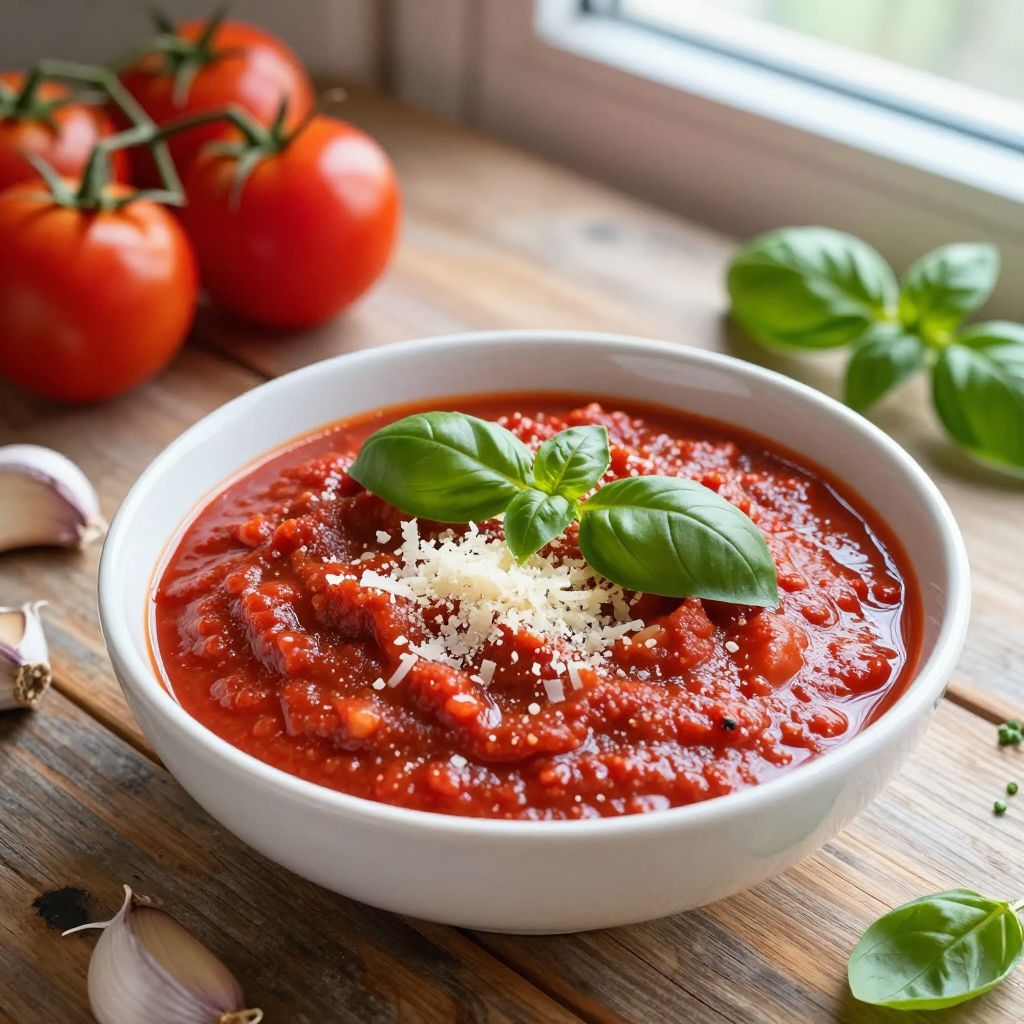
Marinara sauce is a classic Italian tomato sauce known for its simplicity and robust flavor. Traditionally, it is made with a few key ingredients, resulting in a fresh and vibrant sauce that enhances a variety of dishes. Understanding marinara sauce, its components, and how to serve it can elevate your cooking game.
This article will explore what marinara sauce is, its ingredients, the unique flavor profile it offers, and various serving suggestions. Whether you’re preparing pasta, pizza, or a dip, knowing how to work with marinara is a fundamental skill in the kitchen.
What Is Marinara?
Marinara is a type of simple tomato sauce originating from Southern Italy. It’s typically made from tomatoes, garlic, herbs, and sometimes onion. It was developed by Italian fishermen who would prepare it with fresh ingredients while at sea. Today, marinara is widely beloved for its light, fresh flavor and versatility.
Ingredients of Marinara Sauce
The beauty of marinara sauce lies in its straightforward ingredient list that delivers a punch of flavor. Here’s a detailed look at the ingredients commonly used to make this sauce:
- Tomatoes: The primary ingredient, usually using canned whole or crushed tomatoes, or fresh tomatoes when in season.
- Garlic: Fresh minced garlic adds depth and a characteristic aroma.
- Olive Oil: Used for sautéing garlic and as a base for the sauce, contributing richness.
- Herbs: Fresh basil and oregano are the most common choices, lending an aromatic quality to the sauce.
- Salt and Pepper: Essential for seasoning the sauce to enhance the natural flavors of the tomatoes.
- Onion (optional): Although not always included, finely chopped onions can be sautéed with garlic for added sweetness.
- Red Pepper Flakes (optional): A touch of heat can be added for additional complexity.
Flavor Profile of Marinara Sauce
The flavor of marinara sauce is a delightful balance of sweetness, acidity, and aromatic undertones. The tomatoes provide a natural sweetness complemented by the herbal notes from basil and oregano. Garlic adds an aromatic warmth, and, when sautéed, it turns slightly sweet. Olive oil rounds the dish, offering richness and a smooth texture.
The sauce is typically less thick than other tomato sauces, allowing it to be light and versatile. The absence of heavy spices means that the fresh, vibrant taste of tomatoes shines through, making it perfect for a variety of dishes.
How to Prepare Marinara Sauce
Making marinara sauce at home is a straightforward process. Here’s a step-by-step guide on how to prepare it:
Ingredients
- 1 can (28 oz) of whole or crushed tomatoes
- 3-4 cloves of fresh garlic, minced
- 1 medium onion, finely chopped (optional)
- 1/4 cup extra virgin olive oil
- 1 teaspoon dried oregano or a handful of fresh oregano, chopped
- 1/4 cup fresh basil, chopped
- Salt and pepper to taste
- 1/4 teaspoon red pepper flakes (optional)
Equipment
- Large skillet or saucepan
- Wooden spoon or spatula
- Knife and cutting board
- Canning jar or airtight container for storage
Instructions
- Heat the olive oil in a large skillet over medium heat.
- If using onion, add the finely chopped onion and sauté until soft and translucent, about 4-5 minutes.
- Add the minced garlic and sauté for an additional 1-2 minutes, being careful not to burn it.
- Pour in the canned tomatoes (if using whole tomatoes, crush them with your hands or a wooden spoon before adding). Stir well.
- Add oregano, salt, pepper, and red pepper flakes (if using). Mix thoroughly.
- Bring the sauce to a simmer. Reduce the heat to low and let it cook for 20-30 minutes, stirring occasionally. This allows the flavors to meld.
- Once the sauce has thickened to your liking, stir in the fresh basil and adjust seasoning if necessary.
- Remove from heat and let cool slightly before serving or storing.
Serving Suggestions for Marinara Sauce
Marinara sauce is incredibly versatile and can be used in numerous ways. Here are some popular serving suggestions:
- Pasta: Toss with cooked spaghetti or penne for a classic pasta dish.
- Pizza: Use as a base sauce for homemade pizza topped with cheese and your favorite toppings.
- Meatballs: Serve with meatballs for a comforting dish often paired with spaghetti.
- Dipping Sauce: Serve warm as a dipping sauce for breads, mozzarella sticks, or vegetables.
- Lasagna: Layer between sheets of pasta in a lasagna for depth of flavor.
- Eggplant Parmesan: Use as a sauce layer for baked eggplant with cheese.
Variations of Marinara Sauce
While the classic marinara is delicious, there are several variations to suit different preferences:
- Vegetable Marinara: Add chopped vegetables like bell peppers, mushrooms, or zucchini to the sauce for added nutrition and flavor.
- Spicy Marinara: Increase the amount of red pepper flakes or add sliced fresh chili peppers to create a spicier sauce.
- Herbed Marinara: Experiment with additional herbs like thyme or parsley for a unique flavor twist.
- Seafood Marinara: Add shrimp, clams, or squid during the last few minutes of cooking for a seafood-inspired version.
Common Mistakes to Avoid
Even with a simple recipe, there can be pitfalls. Here are some common mistakes to avoid when making marinara sauce:
- Overcooking Garlic: Garlic can quickly turn bitter when overcooked. Add it just after the onions are translucent.
- Choosing Wrong Tomatoes: Using low-quality canned tomatoes can lead to an unbalanced sauce. Look for San Marzano tomatoes for the best flavor.
- Lacking Seasoning: Ensure to taste and adjust the seasoning before serving. The right amount of salt and pepper makes a significant difference.
- Rushing the Cooking: Allow the sauce to simmer for at least 20 minutes to develop flavor. A quick cook won’t yield the best results.
Storing and Reheating Marinara Sauce
When made in larger batches, marinara sauce is excellent for meal prep and can be stored for later use. Here’s how to store and reheat it effectively:
Storage
- Let the sauce cool completely before transferring it to an airtight container.
- It can be refrigerated for up to 5 days or frozen for up to 3 months.
- To freeze, portion out into smaller containers or freezer bags, removing as much air as possible.
Reheating
- For refrigeration, reheat on the stove over medium heat until warmed through, stirring occasionally. Alternatively, you can microwave in a microwave-safe dish, covering it to prevent splattering.
- If frozen, it’s best to thaw overnight in the refrigerator. Reheat similarly on the stove or microwave.
Practical Substitutions
If you find yourself lacking a specific ingredient when making marinara sauce, several substitutions can work:
- Fresh Tomatoes: Consider using canned tomatoes instead, which provide a more consistent flavor.
- Fresh Garlic: Garlic powder can be used in a pinch, though it may alter the flavor slightly; use about 1/8 teaspoon for each clove.
- Olive Oil: Vegetable oil may be used, but expect a slightly different flavor profile.
- Basil: Dried basil can replace fresh, though the flavor will not be as vibrant. Use about 1 teaspoon of dried for every tablespoon of fresh.
Conclusion
Marinara sauce is a versatile staple that can elevate a wide range of dishes. Understanding its fundamental ingredients, preparation methods, and variations allows you to customize it to your personal taste. Whether you’re whipping up a quick pasta dinner or crafting an artisanal pizza at home, marinara sauce can enhance your meals.
For new flavors and culinary exploration, you might find it interesting to check out some related recipes like our Pomodoro Sauce Recipe or discover how to make Spaghetti Sauce Without Meat. These sauces can broaden your pasta repertoire and complement marinara beautifully.