
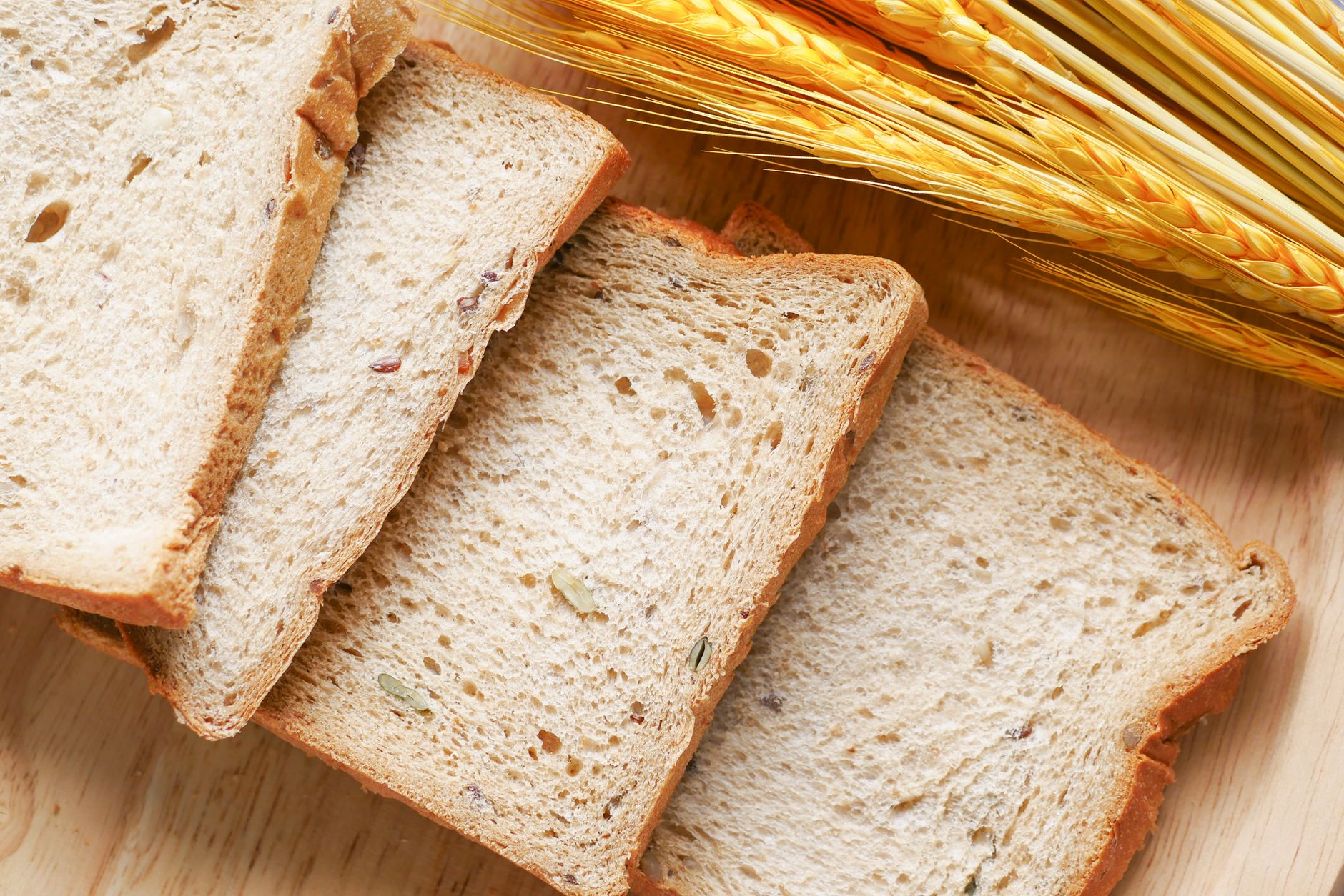
Wheat bread is a popular choice for those seeking a nutritious option for their meals. It’s often viewed as a healthier alternative to white bread, but many people want to know just how many calories are in wheat bread. This article will dissect the caloric content of various types of wheat bread and serving sizes to help you make informed dietary choices.
In addition to calorie counts, we will discuss the ingredients that typically influence the nutritional value of wheat bread, helping you navigate your options at the grocery store or when baking at home.
How Many Calories in Wheat Bread?
The calorie content of wheat bread can vary significantly based on factors like serving size, ingredients, and preparation method. On average, a single slice of whole wheat bread contains about 70-80 calories. Other varieties, such as 100% whole wheat or multigrain, may range slightly differently. Let’s explore this further.
Understanding Wheat Bread Varieties
Before diving into specific calorie counts, it is essential to understand the different types of wheat bread available and how they can differ nutritionally. Here are the most common types:
- Whole Wheat Bread: Made from whole grain wheat flour, this bread retains the bran and germ, providing more nutrients.
- White Wheat Bread: Made from refined white flour, it has less fiber than whole wheat but often contains similar calories.
- Sprouted Wheat Bread: This bread uses sprouted grains, which can enhance nutrient absorption and typically contains more protein and fiber.
- Multigrain Bread: Blends various grains and seeds, offering a diverse nutrient profile. Its calorie count will depend on the mixture used.
Calories in Different Servings of Wheat Bread
Understanding serving sizes is vital for accurately assessing caloric intake. Below are the average calorie counts for different types of wheat bread based on common serving sizes.
| Type of Wheat Bread | Calories per Slice | Calories per 100 grams |
|---|---|---|
| Whole Wheat Bread | 70-80 | 250-270 |
| White Wheat Bread | 70-90 | 250-300 |
| Sprouted Wheat Bread | 80-100 | 270-320 |
| Multigrain Bread | 80-90 | 260-290 |
Factors Affecting Caloric Content
Several factors can influence the caloric content of wheat bread:
- Ingredients: Additional ingredients like seeds, nuts, and sweeteners can increase calories.
- Serving Size: The standard serving size is often one slice, but larger slices can significantly elevate calorie counts.
- Preparation Method: Homemade bread may have different ingredients and results than store-bought varieties.
Baking Your Own Wheat Bread
Baking your own wheat bread allows you to control the ingredients, hence the caloric content. A basic whole wheat bread recipe typically contains:
- 3 cups whole wheat flour
- 1 tablespoon honey or sugar
- 1 packet (2 1/4 tsp) active dry yeast
- 1 teaspoon salt
- 1 1/4 cups warm water
This yields approximately 12 slices. Each slice then should be roughly 70-80 calories, depending on how much honey and other ingredients you incorporate.
Practical Tips for Enjoying Wheat Bread
Incorporating wheat bread into your meals can be both delicious and nutritious. Here are several practical tips:
- Pair with Protein: Combine wheat bread with lean proteins like turkey or chicken for a filling sandwich.
- Toast It: Toasting bread can enhance its flavors and adds a delightful crunch, perfect for spreading avocado or other toppings.
- Use as a Base: Use slices of wheat bread as a base for various toppings like hummus, nut butter, or vegetable spreads.
- Mind Your Portions: Remember that it’s easy to consume more calories than intended if you don’t monitor portion sizes.
Common Mistakes to Avoid When Choosing Wheat Bread
Not all wheat bread is created equal, and it’s important to know common pitfalls:
- Misleading Labels: Look for “100% whole wheat” rather than “wheat bread” to ensure that it is indeed whole grain.
- Added Sugars: Some brands add sugars for flavor; always check the ingredient label.
- High Sodium Content: Many store-bought options can contain high levels of sodium, which isn’t great for your health.
Sustainable Eating with Wheat Bread
Choosing sustainably-sourced whole wheat bread can be an essential part of an eco-friendly diet. Look for brands that prioritize organic ingredients and sustainable growing practices. Additionally, consider local bakeries that use local grains and prioritize minimal processing.
Nutrition Beyond Calories
While calorie counts are essential, wheat bread has other nutritional benefits, including:
- Fiber: Whole wheat bread is a great source of dietary fiber, which aids digestion and helps maintain a healthy gut.
- Vitamins & Minerals: Whole grains contain essential B vitamins, iron, magnesium, and selenium, contributing to overall health.
- Protein: Wheat bread can provide a moderate amount of protein, especially varieties enriched with seeds and nuts.
Long-Term Storage of Wheat Bread
Storing wheat bread correctly can help prolong its lifespan and maintain its texture and flavor:
- Refrigeration: If you don’t plan to eat it within a few days, refrigerate to prevent mold growth.
- Freezing: Slice bread before freezing so you can quickly thaw only what you need. Place slices in freezer-safe bags.
Final Thoughts on Wheat Bread Caloric Content
Wheat bread can be a healthy option in moderation when you are mindful of the calories and serving sizes. By understanding how various types of wheat bread differ in caloric impact and nutritional content, you can make informed choices aligned with your dietary goals.
For those looking to experiment with different recipes, consider checking out this honey wheat bread recipe or explore the possibilities of einkorn bread. Whether baking from scratch or purchasing fresh bread from a store, knowing how many calories are in wheat bread can help guide your meal choices effectively.