
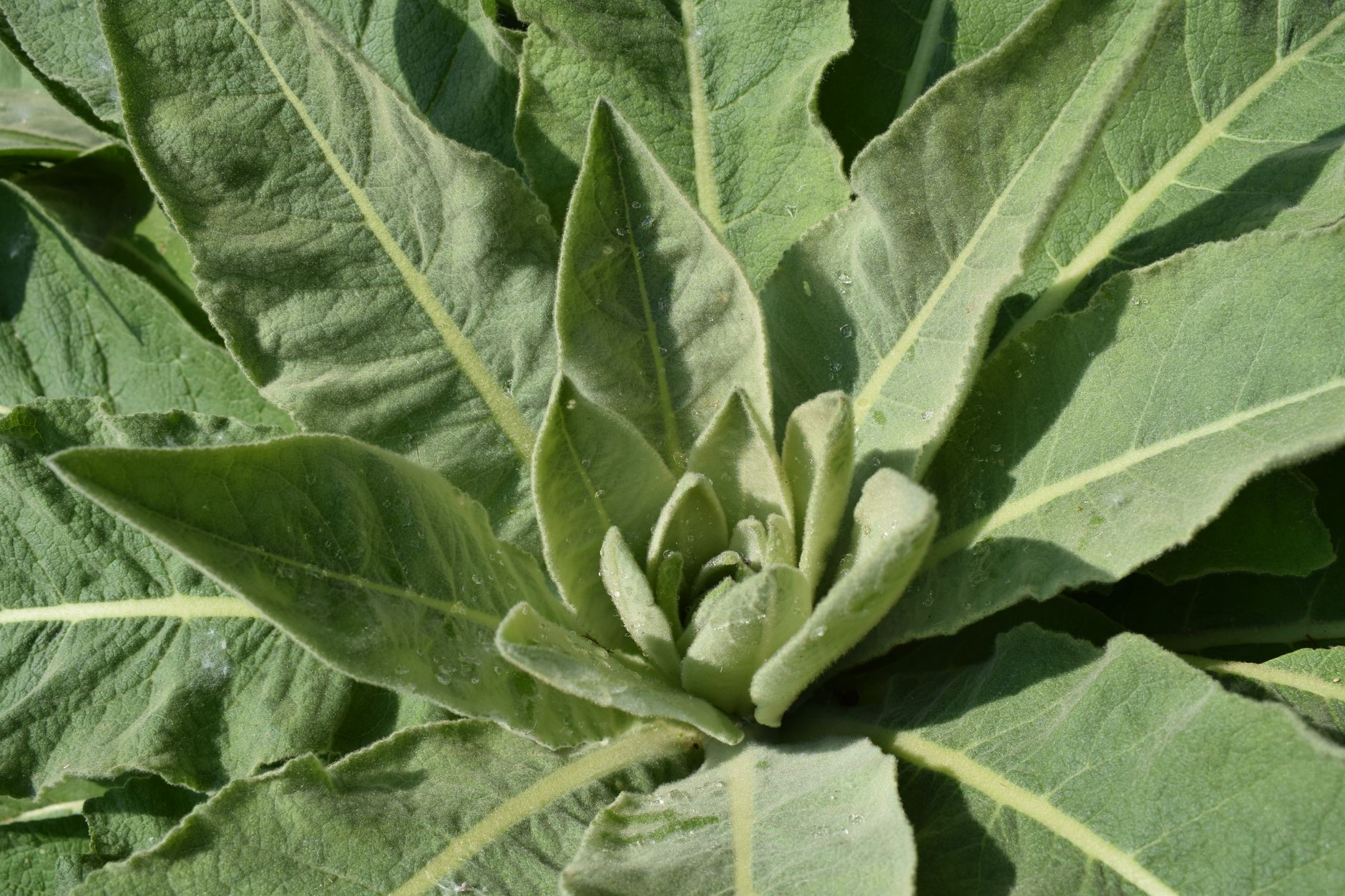
Mullen, often referred to in herbalism as “mullein,” is a plant from the Verbascum genus, commonly found in uncultivated lands and along roadsides. Its broad, fuzzy leaves and beautiful, tall flower spikes are not just lovely to see but also have a rich history of culinary and medicinal uses.
This comprehensive guide will explore what mullen is, its flavor profile, the various ways to serve and utilize it in your kitchen, and how to incorporate it into your meals and wellness routines.
What Is Mullen?
Mullen, scientifically known as Verbascum thapsus, is a biennial herb native to Europe and parts of Asia, but it has since spread to North America and other areas. Mullen has been used historically for its medicinal properties, particularly for respiratory health. The leaves, flowers, and roots can be used in various culinary applications, making it a versatile ingredient.
Ingredients and Nutritional Profile
The parts of the mullen plant that are commonly used include the leaves and flowers. Both the leaves and flowers can be utilized in cooking, teas, and tinctures.
Components of Mullen
- Leaves: The leaves are large, soft, and covered in fine hairs, giving them a fuzzy texture. They can be used fresh or dried.
- Flowers: Mullen flowers are bright yellow and can add a lovely visual touch to dishes.
- Roots: Mullen roots are less commonly used but can be used for their nutritional benefits.
Nutritional Benefits
Mullen is rich in various compounds, including:
- Flavonoids: These compounds have antioxidant properties, supporting overall health.
- Alkaloids: Present in smaller amounts, alkaloids can have a range of effects depending on their type.
- Vitamin C: An essential vitamin that supports the immune system.
- Minerals: Mullen may contain trace amounts of potassium, calcium, and magnesium.
Flavor Profile
The flavor of mullen is often described as mild and slightly herbaceous, with earthy undertones. When cooked, it can take on a texture similar to spinach but retains a unique flavor that can complement various dishes. The flowers are subtly sweet, adding a contrasting note to savory recipes.
How to Serve Mullen
There are numerous ways to incorporate mullen into your cooking, whether you want to enjoy its mild flavor or harness its health benefits. Here are some engaging ways to serve it:
Mullen Tea
One of the most popular ways to consume mullen is through tea. Here’s how to prepare it:
Ingredients for Mullen Tea
- 1 tablespoon dried mullen leaves (or 2 tablespoons fresh leaves)
- 2 cups boiling water
- Honey or lemon for flavor (optional)
Preparation Method
- Place the dried or fresh mullen leaves in a teapot or heatproof container.
- Pour boiling water over the leaves and steep for 10 to 15 minutes.
- Strain the leaves from the tea before serving.
- Add honey or lemon to taste, if desired.
Add to Soups and Stews
Mullen leaves can be added to soups or stews for additional flavor and nutrition. Their texture allows them to blend seamlessly into dishes without overwhelming them.
Simple Mullen Soup
Ingredients
- 1 tablespoon olive oil
- 1 onion, diced
- 2 cloves garlic, minced
- 2 cups chopped vegetables (carrots, celery, etc.)
- 2 cups vegetable or chicken broth
- 1 cup mullen leaves (fresh or dried)
- Salt and pepper to taste
Preparation Method
- In a large pot, heat olive oil over medium heat and sauté onions and garlic until translucent.
- Add chopped vegetables and cook for about 5 minutes, stirring occasionally.
- Pour in the broth and bring to a simmer.
- Add mullen leaves and cook for an additional 10-15 minutes until vegetables are tender.
- Season with salt and pepper before serving.
Use in Cooking Grains
Incorporate mullen into your favorite grain dishes like quinoa or rice. Cooking mullen with the grains can impart a subtle flavor.
Mullen Quinoa Bowl
Ingredients
- 1 cup quinoa, rinsed
- 2 cups vegetable broth
- 1 cup mullen leaves, finely chopped
- 1 bell pepper, diced
- 1 avocado, sliced (optional)
- Lemon juice to taste
Preparation Method
- In a saucepan, combine quinoa and vegetable broth. Bring to a boil, then reduce to a simmer and cover for 15 minutes.
- After 15 minutes, fluff the quinoa with a fork and stir in chopped mullen and bell pepper.
- Cover again and let the residual heat wilt the mullen for about 5 minutes.
- Serve topped with avocado and a squeeze of lemon juice.
In Salads
Fresh mullen leaves can be chopped and tossed into salads, supplying a mild herbal flavor that pairs well with dressings and other ingredients.
Mullen Salad
Ingredients
- 2 cups mixed greens
- 1 cup mullen leaves, chopped
- 1 cup cherry tomatoes, halved
- 1 cucumber, sliced
- 2 tablespoons olive oil
- 1 tablespoon vinegar or lemon juice
- Salt and pepper to taste
Preparation Method
- In a large bowl, combine mixed greens, mullen leaves, tomatoes, and cucumber.
- In a separate small bowl, whisk together olive oil, vinegar, salt, and pepper.
- Drizzle dressing over the salad and toss to combine before serving.
Practical Substitutions
Finding mullen may not always be easy, especially in urban settings. Here are some substitutes you can consider:
- Spinach: When fresh mullen is unavailable, spinach can replicate its texture well in cooked dishes.
- Kale: Offers a heartier texture and flavor profile, suitable for salads and cooked dishes.
- Chard: The flavor of chard is earthy like mullen and can be used in a similar manner.
Common Mistakes and Troubleshooting
When cooking with mullen, it’s important to ensure proper preparation to maximize flavor and avoid any unpalatable experience. Here are some common mistakes to look out for:
- Not Washing Thoroughly: Ensure that any fresh mullen is washed properly to remove dirt and insects.
- Overcooking: Mullen leaves can become slimy if cooked for too long. Keep cooking times to a minimum, especially in soups and salads.
Storage and Preservation
Proper storage of mullen can extend its shelf life and maintain its flavor:
Fresh Mullen Storage
Wrap fresh mullen leaves in a damp cloth and place them in a plastic bag. Refrigerate for up to one week.
Dried Mullen Storage
Dried mullen should be stored in an airtight container in a cool, dry place away from direct sunlight. With proper care, it can last for up to a year.
Preserving Mullen
Preserve mullen by making tinctures or infusing oils with the leaves and flowers. This method ensures you have access to the benefits of mullen year-round.
Conclusion
Mullen, with its wide range of culinary and medicinal uses, is a versatile herb to incorporate into your kitchen. Whether you opt for a soothing tea, an earthy soup, or a fresh salad, mullen offers a breadth of flavors and health benefits that can enhance daily meals.
To learn more about specific recipes, cooking methods, or food tips, consider exploring various aspects of mullen and other culinary herbs in your food journey.