
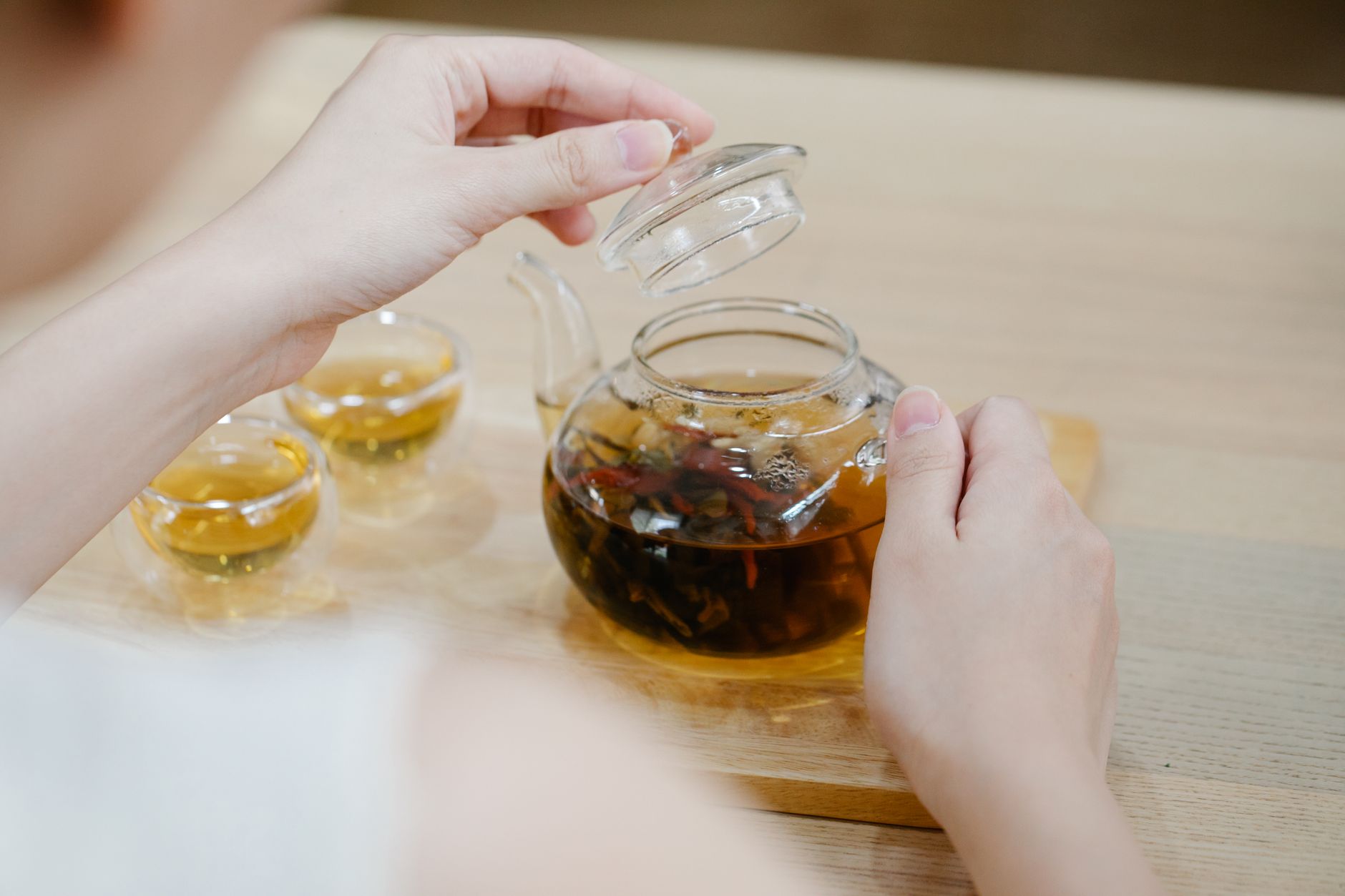
Tea is one of the most popular beverages worldwide, enjoyed for its rich flavors and comforting warmth. The key to brewing a perfect cup lies in understanding how long tea needs to steep. This article guides you through various types of tea and their optimal steeping times, ensuring you achieve the best flavor and aroma.
The steeping time affects various characteristics of tea, including taste, strength, and astringency. Whether you prefer a delicate white tea or a robust black tea, knowing the precise timing can elevate your tea-drinking experience. Let’s explore the nuances of tea steeping time, variations based on tea type, and tips for achieving perfect doneness.
How Long Does Tea Need to Steep?
The steeping time for tea varies based on the type of tea leaves used, typically ranging from 2 to 7 minutes, depending on the variety. Black tea generally needs around 3-5 minutes, green tea requires about 2-3 minutes, while herbal tea may steep longer, between 5 to 7 minutes, for the best results.
Understanding Tea Types and Their Steeping Times
To brew the perfect cup, it’s essential to understand the specific requirements of each tea type. Below is a breakdown of various tea categories and their recommended steeping times:
1. Black Tea
Black tea is fully oxidized, resulting in a bold flavor and dark color. It is typically stronger than other types of tea and requires longer steeping.
- Steeping Time: 3 to 5 minutes.
- Temperature: 200°F to 212°F (93°C to 100°C).
Common varieties include Assam, Darjeeling, and Earl Grey. Over-steeping may lead to bitterness, so sticking to the recommended time is essential.
2. Green Tea
Green tea is minimally oxidized and is known for its fresh, grassy flavors. It is more delicate than black tea and requires careful steeping.
- Steeping Time: 2 to 3 minutes.
- Temperature: 160°F to 180°F (71°C to 82°C).
Try varieties such as Sencha, Matcha, or Dragon Well. Be cautious with the temperature; boiling water can scorch the leaves and make the brew bitter.
3. Oolong Tea
Oolong tea is partially oxidized and sits between black and green tea in flavor and strength. It delivers a range of profiles, from floral to toasty.
- Steeping Time: 3 to 5 minutes.
- Temperature: 185°F to 205°F (85°C to 96°C).
Explore varieties such as Tieguanyin or Wuyi Rock. Oolong can be steeped multiple times, with each infusion revealing different flavor notes.
4. White Tea
White tea is the least processed and brewed to maintain its delicate flavor. It is often floral and subtly sweet.
- Steeping Time: 4 to 5 minutes.
- Temperature: 160°F to 185°F (71°C to 85°C).
Popular options include Silver Needle and White Peony. Over-steeping may dilute its gentle notes, so keep a close eye on the time.
5. Herbal Tea
Herbal teas are technically not tea since they do not come from the Camellia sinensis plant. They encompass a wide variety of botanicals, herbs, spices, and flowers.
- Steeping Time: 5 to 7 minutes.
- Temperature: 200°F to 212°F (93°C to 100°C).
Favorites include chamomile, peppermint, and rooibos. Since herbal teas lack the caffeine found in true teas, over-steeping usually results in a more intense flavor without the risk of bitterness.
Factors Influencing Tea Steeping Time
While general guidelines provide a foundation for steeping tea, various factors can influence the final result. Here are key points to consider when determining steeping times:
1. Leaf Size and Type
Whole tea leaves typically require longer steeping than broken or crushed leaves, as larger volumes allow water to circulate better. For example, whole leaf black tea may need a full 5 minutes, while bagged or fine loose leaf might be ready in 3 minutes.
2. Tea Freshness
Fresh tea tends to release flavors more quickly. If you are using older tea, it may require longer steeping times to obtain the desired flavor profile.
3. Personal Preference
Everyone’s palate varies, making personal preference a significant factor. If you enjoy stronger brews, consider gradually increasing steeping time until you find your ideal balance, keeping in mind the risk of bitterness with over-steeping.
4. Water Quality
Using filtered or spring water improves the taste of tea. The mineral content in water can affect the flavor profile, where hard water can lead to undesired flavors, while soft water allows for a cleaner taste.
Practical Tips for Perfect Tea Steeping
Now that you understand the importance of steeping times, here are practical tips to ensure you achieve the best cup of tea every time:
1. Use a Timer
A timer can help you keep track of steeping times accurately, preventing over-steeping. Whether it’s a kitchen timer or a smartphone app, investing a minute for precision will yield superior tea.
2. Explore Multiple Infusions
Many premium teas, especially Oolongs and some greens, can be steeped multiple times. Each infusion will present a unique flavor profile, offering a delightful exploration of the tea’s complexity.
3. Adjust Water Temperature
Pay attention to water temperature based on tea types. Using a kettle with temperature settings can help ensure you don’t scorch delicate leaves or under-extract denser ones.
4. Experiment with Ratios
The standard recommendation is one teaspoon of loose leaf per cup (8 oz) of water. Experimenting with ratios can help you find the strength that pleases your palate. For stronger brew, increase the tea amount instead of steeping longer.
5. Pour and Taste
Since individual preferences vary, pouring a small amount at half the expected steep time for a taste test can help determine whether to continue steeping.
Common Mistakes to Avoid When Steeping Tea
Even seasoned tea drinkers can falter. Here are some common pitfalls to avoid:
1. Over-Steeping
Many inexperienced tea drinkers leave their tea brewing too long, leading to bitterness, especially with black and green teas. Always adhere to the suggested steeping times.
2. Using Boiling Water for Delicate Teas
Using boiling water for delicate teas like green or white can ruin their subtle flavors. Make sure to cool the water to the appropriate temperature before steeping.
3. Ignoring Leaf Expansion
Tea leaves expand as they steep. Make sure your brewing vessel is large enough for the leaves to unfurl and develop fully, enhancing flavor extraction and aroma.
4. Not Filtering Properly
If you brew loose leaf tea, ensure that your strainer or infuser is fine enough to prevent smaller particles from getting into your cup, which can create a gritty mouthfeel.
Storing and Preserving Tea for Optimal Freshness
Proper storage is essential for maintaining the flavor and aroma of tea. Here are guidelines to keep your tea fresh:
1. Airtight Containers
Store tea in airtight containers to protect it from moisture, light, and air exposure. Consider opaque tins or glass jars with tight-fitting lids.
2. Cool, Dark Places
Avoid storing tea near heat sources or in areas with significant temperature fluctuations. A cool, dark cupboard is ideal for preserving freshness.
3. Avoid Strong Smells
Tea can absorb odors easily, so keep it away from spices, herbs, or strongly-scented foods. If aroma crossover occurs, it can detract from the tea’s intended flavor profile.
Conclusion
Knowing how long tea needs to steep is crucial for the perfect brew. By paying attention to brewing times, temperatures, and individual preferences, you can create a delightful tea-drinking experience every time. Whether you choose a refreshing green tea or a bold black tea, applying these principles will enhance the overall flavor and enjoyment.
To further enhance your tea experience, consider exploring related recipes like this chai concentrate recipe or try a clove tea recipe for a fresh twist. Happy brewing!