
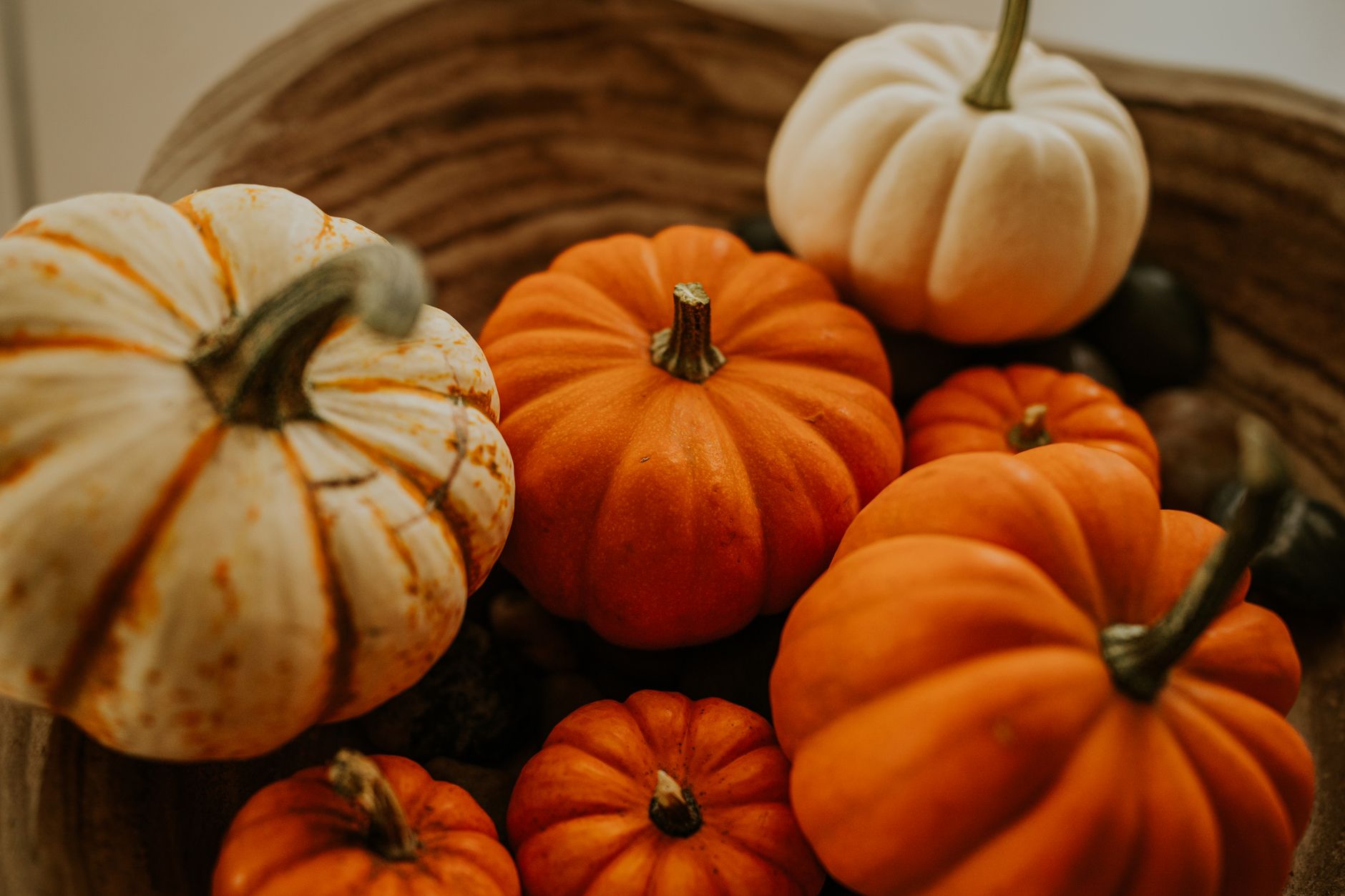
Pumpkin is a versatile ingredient celebrated for its warm flavor and vibrant hue. Found in various dishes from pies to soups, it has gained popularity, especially in the fall season. If you have gluten sensitivities or celiac disease, you might be wondering, is pumpkin gluten-free?
The good news is that pumpkin itself is naturally gluten-free. It can be confidently included in gluten-free diets. However, it is essential to watch for additives or ingredients in prepared pumpkin products that may contain gluten. Understanding how to read labels and identify gluten-free pumpkin ingredients can help you make safe choices.
Is Pumpkin Gluten Free?
Yes, pumpkin is gluten-free. It is a member of the squash family and is made up of nutritious flesh that can be enjoyed on its own or used in various recipes. This makes it a safe choice for those avoiding gluten.
Understanding Pumpkin Types
When considering the gluten-free status of pumpkin, it’s helpful to know the different types available:
- **Canned Pumpkin**: Typically made from sugar pumpkins, canned pumpkin is widely used for baking and cooking. Most brands are gluten-free, but check for additives.
- **Fresh Pumpkin**: Whole pumpkins are naturally gluten-free. Use them in savory dishes, soups, or purees.
- **Pumpkin Puree**: This can be found both canned and fresh, and it is pure pumpkin without additional ingredients, making it gluten-free.
- **Pumpkin Seeds**: The seeds, also known as pepitas, are gluten-free and can be enjoyed as a snack or ingredient in granola and salads.
Label-Reading Tips for Pumpkin Products
While pumpkin itself is gluten-free, many processed products may contain gluten. Here’s how to read labels effectively:
1. Check for Gluten
Look for phrases like “gluten-free” on the label. This certification means the product meets FDA standards. Also, check the ingredient list for wheat, barley, or rye.
2. Watch for Cross-Contamination
Some products are made in facilities that process gluten-containing grains. If you are highly sensitive, look for brands that specifically test for cross-contamination.
3. Review Ingredients
Common additives to be wary of include certain thickeners or flavorings. Always read the entire ingredient list to confirm that no unexpected gluten sources are included.
Health Benefits of Pumpkin
Pumpkin is not only gluten-free but also packed with nutrients. Its health benefits include:
- **High in Fiber**: Supports digestive health and helps keep you full longer.
- **Rich in Vitamins**: Contains vitamins A, C, and E, which support skin, immune health, and overall well-being.
- **Low in Calories**: An excellent option for those looking to manage their weight without sacrificing flavors.
- **Antioxidant Properties**: Provides carotenoids, which can help combat oxidative stress in the body.
Creative Ways to Use Pumpkin in Your Cooking
Integrating pumpkin into your meals can be fun and flavorful. Here are some ideas:
1. Pumpkin Soup
A creamy pumpkin soup is a comforting choice for cold days. Use fresh or canned pumpkin, broth, onions, garlic, and your favorite spices. A touch of nutmeg and cinnamon adds warmth.
2. Pumpkin Pancakes
Mix pumpkin puree into your pancake batter for a festive breakfast option. Add spices like cinnamon and nutmeg for extra flavor. Serve with maple syrup for a delightful start to your day.
3. Pumpkin Muffins
Use pumpkin puree in your muffin recipes to create moist, flavorful muffins. Experiment with gluten-free flours such as almond, coconut, or a gluten-free all-purpose blend.
4. Pumpkin Risotto
Incorporate pumpkin into your risotto for a creamy, savory side dish. Stir in fresh herbs and sprinkle with parmesan cheese for extra flavor.
Helpful Substitutions for Pumpkin Dishes
If you’re looking to experiment or are out of pumpkin, here are some suitable substitutions:
- **Sweet Potato**: Offers a similar texture and sweetness. Use it in pies or soups.
- **Butternut Squash**: A great alternative that provides a similar flavor profile.
- **Applesauce**: Can be used as a substitute for pumpkin puree in some baking recipes, though it will alter the flavor slightly.
Common Mistakes to Avoid
When using pumpkin in your cooking, be aware of these common pitfalls:
- **Using Pumpkin Pie Filling Instead of Puree**: Pumpkin pie filling often contains sugar and spices, which may not work in savory dishes.
- **Overcooking Fresh Pumpkin**: When roasting or steaming fresh pumpkin, be careful not to cook it too long, as it can become mushy.
- **Ignoring Labeling on Pre-packaged Ingredients**: Always double-check gluten-free claims, especially with spices and premixed blends.
Storage Tips for Pumpkin
Properly storing pumpkin ensures it maintains freshness and flavor. Here’s how:
Fresh Pumpkin
Store whole pumpkins in a cool, dry place. Cut pieces should be refrigerated and consumed within a week.
Canned Pumpkin
Once opened, transfer leftover canned pumpkin to an airtight container and store it in the refrigerator for up to a week. You can also freeze pumpkin puree for six months.
Reheating Pumpkin Dishes
When reheating pumpkin-based dishes, follow these guidelines:
- **Soups**: Reheat on the stovetop over low heat, stirring regularly to prevent sticking.
- **Muffins and Pancakes**: Warm in the microwave for 10-20 seconds or in an oven preheated to 350°F (175°C) until heated through.
Conclusion
In summary, pumpkin is a versatile gluten-free ingredient that can be used in various delicious recipes. By understanding which pumpkin products to choose and how to prepare them, you can enjoy all the flavors this fall favorite offers without concern. Start integrating pumpkin into your cooking today, and explore new recipes that celebrate its unique taste.
For more insights on pumpkin, check out our guides on freezing pumpkin pie and understanding pumpkin puree.