
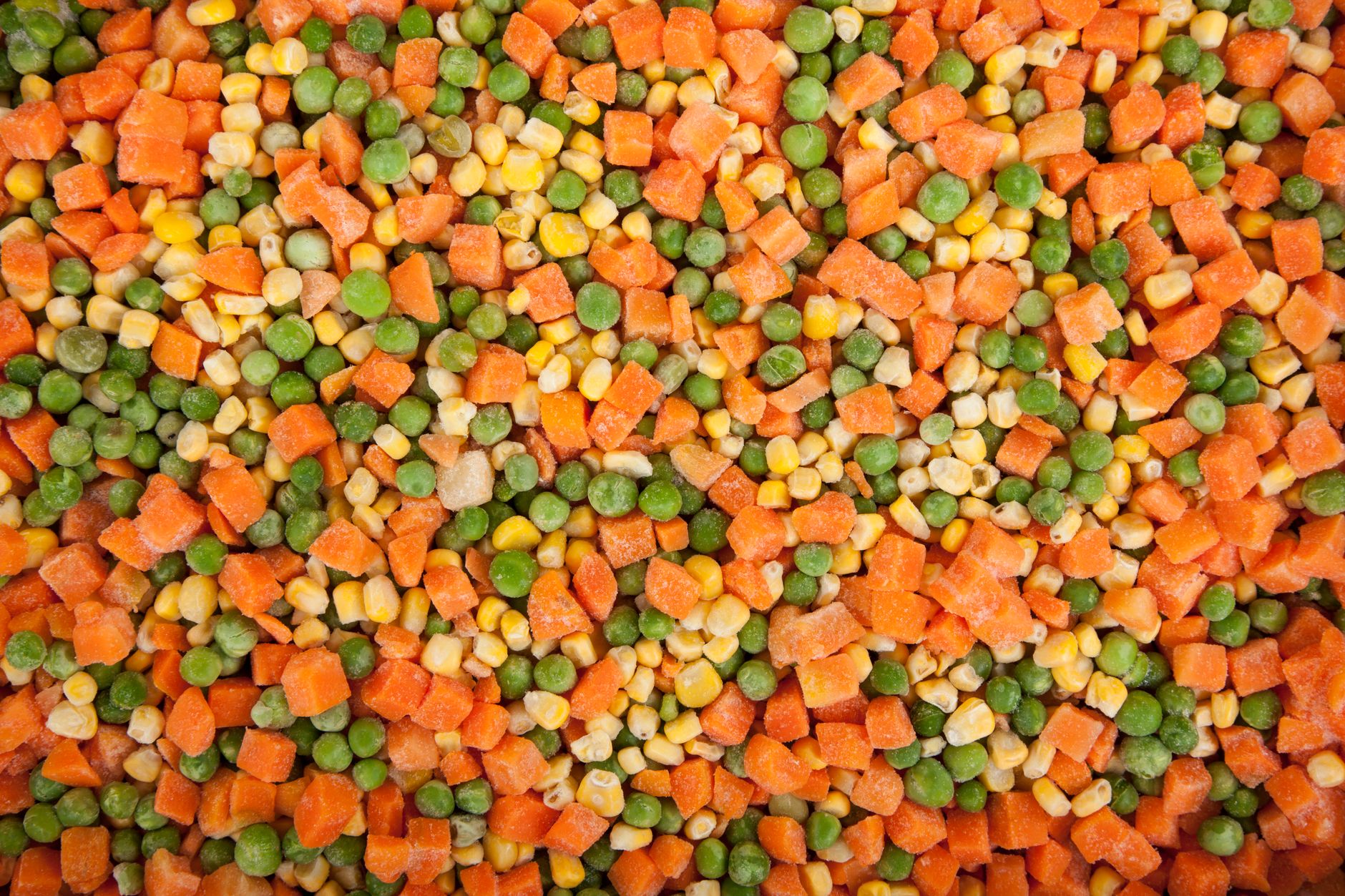
Carrots are a versatile vegetable, beloved for their natural sweetness and crisp texture. Whether enjoyed raw, roasted, or incorporated into soups and stews, these nutrient-rich roots can elevate various dishes. But, what happens when you buy too many carrots or just want to preserve their freshness? Understanding if carrots freeze well can help you minimize waste and maximize convenience in your kitchen.
In this guide, we’ll explore the freezing process for carrots, covering everything from preparation and storage techniques to thawing tips and recommendations. With a little know-how, you can enjoy the vibrant flavor of carrots even months after purchase.
Do Carrots Freeze Well?
Yes, carrots can be successfully frozen, but it requires a bit of preparation. Freezing raw carrots may lead to a loss of texture and flavor, so blanching them beforehand is recommended. This process helps preserve their taste, color, and nutrients. In the right conditions, frozen carrots can last for several months and remain usable for cooking or snacking.
Understanding the Benefits of Freezing Carrots
Freezing carrots offers several benefits beyond simply extending their shelf life:
- Waste Reduction: Freezing allows you to store surplus carrots, reducing food waste.
- Convenience: Having frozen carrots on hand saves time when preparing meals.
- Nutrient Preservation: Properly frozen carrots retain much of their nutritional value.
How to Prepare Carrots for Freezing
Proper preparation is essential for freezing carrots effectively. Follow these steps to get started:
Choosing Fresh Carrots
Start by selecting the freshest carrots available. Look for firm, smooth-skinned carrots without significant blemishes or soft spots. Baby carrots can also be frozen, but ensure they are fresh and not past their prime.
Washing and Peeling
- Thoroughly wash the carrots under cold running water to remove any dirt or debris.
- Use a vegetable peeler to peel the carrots, if desired. Peeling is optional but can enhance the flavor and texture.
Cutting the Carrots
Next, decide how you want to cut your carrots for freezing. Common options include:
- Slices: Cut the carrots into even, round slices (about 1/4 inch thick).
- Julienne: Cut the carrots into thin, matchstick-sized pieces.
- Dices: For soups, cut the carrots into small cubes (about 1/2 inch).
Blanching Carrots
Blanching is a crucial step that helps preserve the color, flavor, and texture of your carrots. Here’s how to do it:
- In a large pot, bring water to a rolling boil.
- Prepare an ice bath by filling a large bowl with ice and cold water.
- Add the cut carrots to the boiling water for 2-5 minutes, depending on the size of the cut:
- 2 minutes for slices
- 3 minutes for julienne
- 4-5 minutes for dices
- Once the time is up, quickly transfer the carrots to the ice bath using a slotted spoon to stop the cooking process.
- Leave the carrots in the ice bath for the same amount of time they were blanched.
- Drain the carrots and pat them dry with a clean kitchen towel or paper towel.
Packaging Carrots for Freezing
Proper packaging is crucial to prevent freezer burn and maintain the quality of frozen carrots. Here’s how to do it:
- Once the carrots are cooled and dry, arrange them in a single layer on a baking sheet.
- Place the baking sheet in the freezer for about 1-2 hours until the carrots are frozen solid.
- Transfer the frozen carrots into airtight freezer bags or containers, removing as much air as possible.
- Label the bags or containers with the date and type of carrot cut.
Storage Guidelines for Frozen Carrots
To ensure your frozen carrots maintain their quality, follow these storage tips:
- Frozen carrots should ideally be used within 10-12 months for the best flavor and texture.
- Store the carrots in a consistent freezer temperature of 0°F (-18°C) or lower.
- Avoid storing carrots in the freezer door; keep them in the main compartment for the most stable temperature.
Thawing Frozen Carrots
When you’re ready to use frozen carrots, proper thawing methods can enhance your cooking experience:
- In the Refrigerator: For best results, transfer the frozen carrots to the refrigerator and allow them to thaw overnight.
- Quick Thaw: If you’re in a hurry, add the frozen carrots directly to your cooking dish without thawing. They can be cooked from frozen, though this may slightly alter the cooking time.
- Microwave: You can also use the microwave with a defrost setting but take care not to cook the carrots.
Cooking with Frozen Carrots
Frozen carrots are best suited for cooked dishes, as they may lose some crispness when frozen. They can be added to a variety of meals:
- Soups and Stews: Toss them into simmering soups or stews without thawing.
- Casseroles: Add frozen carrots directly to casserole dishes, adjusting cooking time.
- Stir-fries: Cook them right from the freezer in stir-fried dishes for added convenience.
Common Mistakes When Freezing Carrots
To achieve the best results when freezing carrots, avoid these common pitfalls:
- Skipping the blanching process, which can lead to loss of flavor and texture.
- Freezing carrots without proper moisture removal can result in freezer burn.
- Forgetting to label containers may lead to confusion about the contents and age.
Alternatives to Freezing Carrots
If freezing isn’t suitable for your needs, consider these alternatives for preserving carrots:
- Canning: Carrots can be canned, but this requires specific equipment and knowledge of pressure canning techniques.
- Dehydrating: Dried carrots can be stored at room temperature and used in soups or snacks.
- Pickling: Pickled carrots provide a different flavor profile and can make a delightful condiment.
Conclusion
In summary, carrots can be effectively frozen if prepared properly. By choosing fresh carrots, blanching them, and packaging them correctly, you can enjoy the flavor and health benefits of this versatile vegetable even months later. When ready to cook, remember they can go straight from freezer to pot, making meal prep easier than ever. So, stock up on those carrots and enjoy their deliciousness all year round!
To enhance your kitchen skills further, explore our other helpful guides such as how to freeze cooked chicken or learn more about freezing watermelon for refreshing summer treats.