
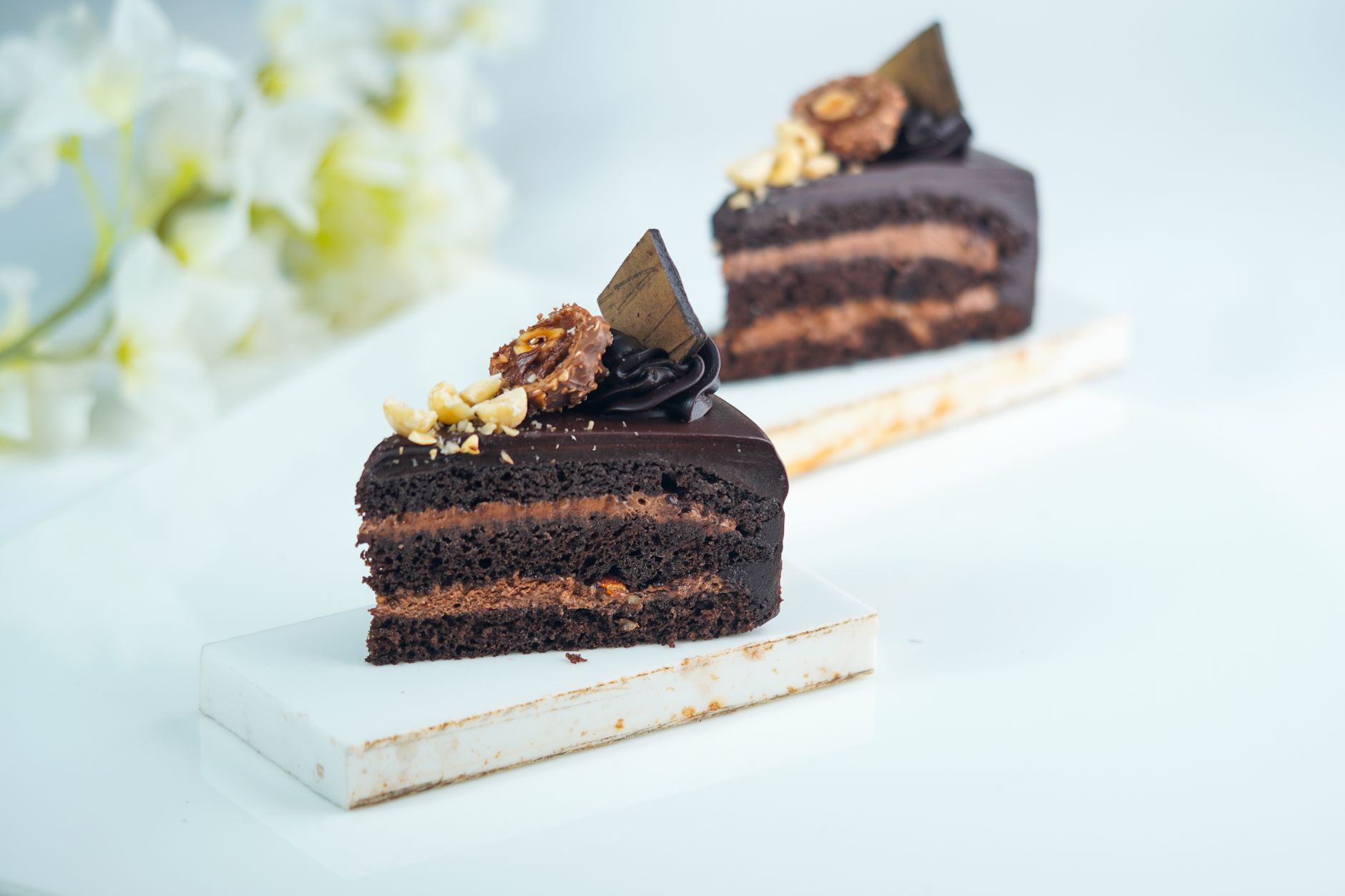
Cakes are a beloved treat, prominent in celebrations from birthdays to weddings. Whether you’re a baking enthusiast or simply looking to order a cake, understanding the costs involved can make a significant difference in your planning and budgeting.
This guide explores the factors influencing cake pricing, serving sizes, and various menu options, helping you make informed choices for your next cake purchase or baking endeavor.
How Much Does a Cake Cost?
The cost of a cake can vary widely based on several factors, such as size, design complexity, ingredients, and the bakery’s location. A simple cake can range from $20 to $50, while custom designs or gourmet options can exceed $100 or more.
Factors Influencing Cake Prices
1. Size
The size of the cake is one of the primary determinants of its price. Cakes are typically sold by the tier or by the serving, with common sizes including 6-inch, 8-inch, and 10-inch rounds. A standard 8-inch round cake usually serves about 12-16 people, while a larger 10-inch cake can serve 20-25.
2. Ingredients
High-quality ingredients significantly influence cost. A cake made with premium butter, organic eggs, and vanillas will command a higher price than one made with standard grocery store ingredients. Cakes incorporating unique flavors, like gourmet chocolate or fresh fruit, may also increase in cost due to the expense of rare components.
3. Design and Decoration
Custom cakes that feature intricate designs, fondant work, or detailed figurines typically cost more due to the time and skill required to create them. Simple buttercream decorations are less expensive compared to elaborate designs that might warrant specialty techniques and additional materials.
4. Bakery vs. Home Baking
Buying from a bakery can be more costly than making a cake at home. Commercial bakers have overhead costs, such as labor, rent, and utilities, which can be reflected in their pricing. However, baking at home requires investment in ingredients and possibly equipment, particularly if you’re looking to create something special.
5. Bakery Location
The location of the bakery plays a significant role in cake pricing. Bakeries in urban or affluent areas generally charge more due to higher living costs. Regional differences can also come into play, where some areas might have a higher demand for cakes and thus higher prices.
Cake Portions & Serving Sizes
Understanding portions is vital for planning your cake purchase, especially for gatherings or events. Below are common serving sizes based on cake types:
- Round Cakes: A 6-inch round serves about 6-8, an 8-inch serves 12-16, and a 10-inch serves 20-25.
- Sheet Cakes: A quarter sheet serves about 20, a half sheet serves approximately 40-50, and a full sheet can serve 80-100 people.
- Tiered Cakes: Multi-tiered cakes typically offer higher servings. A standard tiered cake (2 layers of 10-inch and 6-inch) can serve around 30-40 guests.
Cake Menu Options
When choosing a cake, there are various options to consider based on flavor, dietary restrictions, and style. Here’s a closer look at popular cake menu options:
1. Flavor
- Classic Flavors: Vanilla, chocolate, and red velvet are standard options.
- Unique Flavors: Options such as lemon, carrot, or coconut can elevate the cake experience.
- Gourmet Options: Cakes with ingredients like salted caramel, matcha, or espresso are great for special occasions.
2. Dietary Restrictions
- Gluten-Free: Many bakeries offer gluten-free cakes made with almond flour, coconut flour, or alternative ingredients.
- Dairy-Free: Cakes using coconut milk or dairy substitutes appeal to vegan or lactose-intolerant customers.
- Low-Sugar: Sweeteners like stevia or monk fruit may be used in cakes suited for those monitoring sugar intake.
3. Style and Theme
Cakes can also be themed to match your event. Here are some popular themes:
- Wedding Cakes: Typically multi-tiered and often decorated elegantly.
- Birthday Cakes: More playful and colorful, often featuring themes that reflect the recipient’s interests.
- Seasonal Cakes: Cakes can be inspired by holiday flavors or events, such as pumpkin spice for fall or festive red and green for Christmas.
Typical Price Ranges
Here’s a breakdown of typical price ranges you might encounter for various types of cakes:
| Type of Cake | Price Range | Servings |
|---|---|---|
| Simple Buttercream | $20 – $50 | 6 – 16 |
| Custom Fondant | $50 – $150 | 20 – 100 |
| Tiered Wedding Cake | $200 – $600+ | 50 – 200+ |
| Gourmet Flavors | $40 – $100 | 10 – 25 |
Cost-Saving Tips for Cake Purchases
If you’re looking to save some money while still enjoying a delicious cake, consider the following tips:
- Order in Advance: Many bakeries offer discounts for advance orders. This also ensures you secure your desired cake design.
- Consider Smaller Sizes: For smaller gatherings, opt for less tiered or multi-layered cakes, which can lower costs.
- Mix and Match: If you’re having a large event, consider purchasing different flavors in smaller sizes instead of one large cake to keep costs down.
- DIY Elements: Prepare a simple cake and hire a decorator for just the finishing touches.
Common Mistakes to Avoid When Ordering a Cake
When ordering a cake, awareness of potential pitfalls can save you from disappointment:
- Not Confirming Ingredients: Always check with the bakery regarding ingredient sourcing, especially if dietary concerns exist.
- Underestimating Portions: Be mindful of serving size to ensure everyone has enough cake, especially at larger events.
- Waiting Until the Last Minute: Cakes require time for baking, cooling, and decorating. Planning ahead can result in a better end product.
- Ignoring Pricing: Always discuss pricing details and ask for a written estimate to avoid surprises.
Storing and Reheating Cake
Proper storage and reheating are essential to maintaining a cake’s freshness and flavor. Here’s how to do it:
- Storing: Keep cakes in an airtight container at room temperature for 1-2 days. For longer storage, wrap and refrigerate for up to one week. Cakes can also be frozen for up to three months when well-wrapped.
- Reheating: For leftover cake that’s been refrigerated, allow it to come to room temperature before serving. For frozen cakes, thaw overnight in the refrigerator and bring to room temperature just before serving.
Custom Cakes: When to Choose a Bakery
Choosing to order a custom cake can cut down on baking time and skill requirements but comes with specific considerations:
- Consultation: Schedule a consultation to discuss the design, flavor, and budget with your baker. Bring inspiration photos to articulate your vision.
- Tastings: Many bakeries offer tastings so you can choose flavors you enjoy. Don’t skip this step; it’s essential for ensuring quality.
- Lead Time: A good bakery requires notice of at least two weeks for custom orders. This allows for proper preparation and scheduling.
Conclusion
Cakes serve as a centerpiece for occasions, reflecting preferences and personalities. By understanding factors that influence cake pricing, servings, and menu options, you can confidently select the right cake for your needs. Whether you choose to bake at home or order from a bakery, being informed will help ensure a delightful experience.
Explore related recipes and cooking tips by checking out our Heaven on Earth Cake recipe and the delicious Neiman Marcus Cake recipe.