
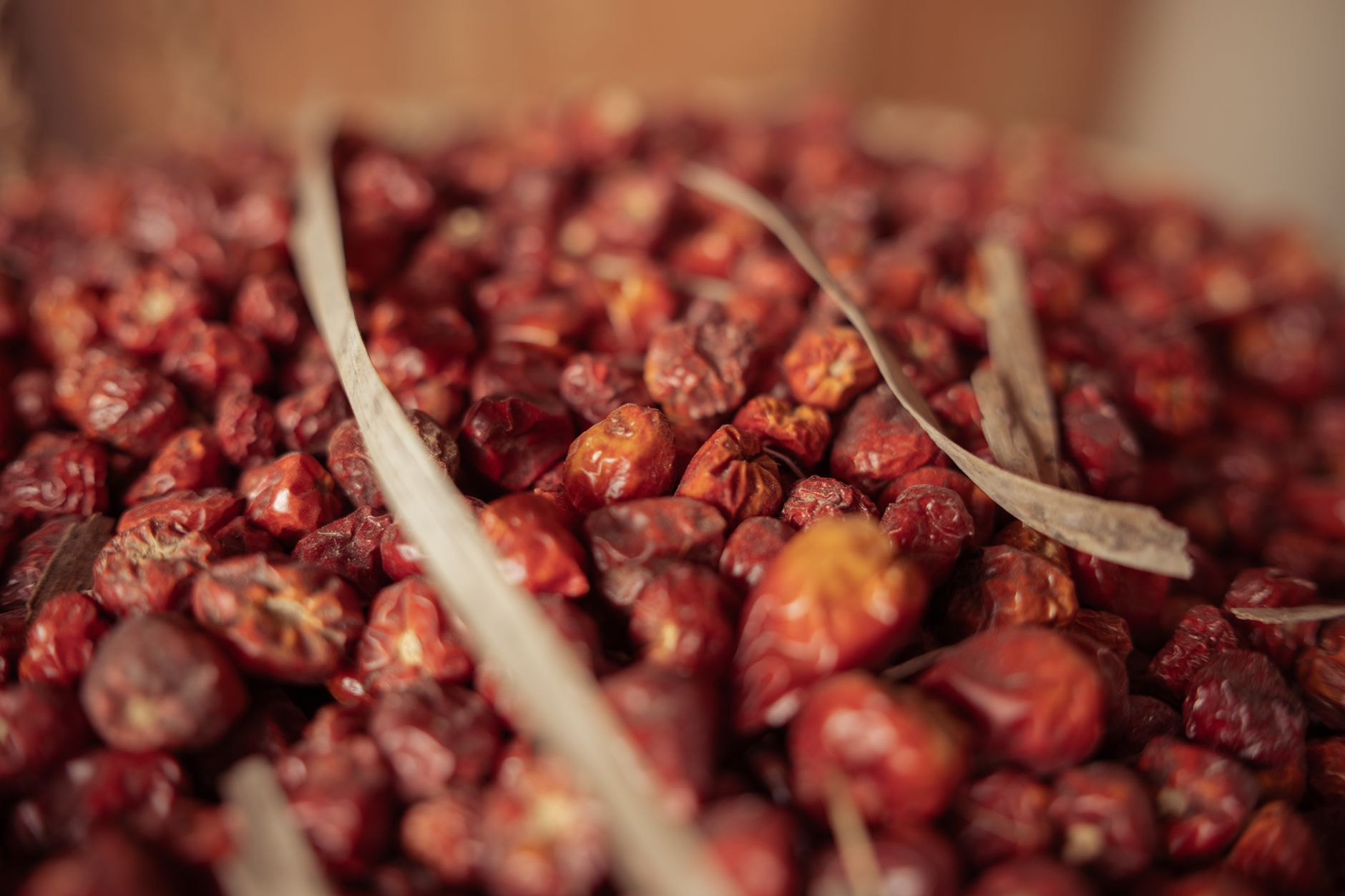
The jujube fruit, often overshadowed by more popular fruits, is a nutrient-rich gem that has gained recognition for its unique flavor and several culinary uses. This small, sweet fruit, resembling a date in texture, is packed with health benefits and offers culinary versatility that can elevate both sweet and savory dishes.
Jujubes can be enjoyed fresh or dried and are a great addition to various recipes. This article will explore the details of jujube fruit, including its taste, nutritional profile, culinary applications, and how to incorporate it into your meals.
What Is a Jujube Fruit?
Jujube fruit, scientifically known as Ziziphus jujuba, is a small, edible fruit that comes from the jujube tree, which is native to southern Asia and the Mediterranean region. The fruit is often referred to as “red dates” due to its resemblance to dates in size and texture. It comes in various varieties, with colors ranging from yellow-green to dark red or brown when fully ripe.
Jujubes can be consumed when fresh or dehydrated, with dried versions typically having a chewy texture and a concentrated sweetness. Their flavor profile is often described as a mix between apples and dates, with a distinct sweetness that varies in intensity depending on the ripeness of the fruit.
Ingredients and Nutritional Profile of Jujube Fruit
The jujube fruit is not only delicious but also comes packed with essential nutrients. It is low in calories, high in fiber, and contains small amounts of vitamins and minerals that contribute to a healthy diet.
Nutritional Components
A 100-gram serving of fresh jujube contains approximately the following nutrients:
- Calories: 79
- Carbohydrates: 20.6 g
- Protein: 1.2 g
- Fat: 0.2 g
- Fiber: 7.9 g
- Vitamin C: 69 mg (115% of the Daily Value)
- Potassium: 250 mg
- Calcium: 62 mg
- Iron: 0.6 mg
This nutrient profile suggests that jujube fruit is a good source of dietary fiber and vitamin C. The dietary fiber helps in promoting digestive health, while vitamin C is vital for immune function and skin health.
Health Benefits of Jujube Fruit
Regular consumption of jujube fruit has been linked to several health benefits, including:
- Antioxidant Properties: Jujubes are rich in antioxidants, which can help combat oxidative stress in the body.
- Improved Digestive Health: The high fiber content aids in digestion and promotes regular bowel movements.
- Good for Sleep: Traditional medicine often uses jujube for its calming effects, which may promote better sleep.
- Immune Support: The vitamin C content helps boost the immune system.
While these benefits are promising, it’s essential to consume jujubes as part of a well-balanced diet rather than relying solely on them for health improvements.
Taste and Texture of Jujube Fruit
Fresh jujube fruit offers a crisp, apple-like texture when biting into it, punctuated by a sweet taste that can vary based on ripeness. Younger, less ripe jujubes may have a slightly tart flavor, while fully ripe, dried jujubes are sweeter and chewier, resembling the texture of a date.
The flavor profile may be characterized by mild sweetness with notes of caramel or honey, making jujubes versatile for various dishes. When cooked, their sweetness can deepen, enhancing savory dishes or desserts alike.
Culinary Uses of Jujube Fruit
Jujube fruit can be used in a variety of culinary applications. Here are some popular ways to incorporate jujube fruit into your meals:
Fresh Jujube in Salads
Fresh jujube fruit can be sliced thinly and added to salads for an unexpected crunch and sweetness. It pairs well with greens, nuts, and even cheese. Try combining fresh jujubes with arugula, walnuts, and goat cheese for a satisfying salad.
Dried Jujube Snacks
Dried jujubes can be enjoyed as a healthy snack on their own, offering a satisfying chewy texture and natural sweetness. They make an excellent addition to trail mixes, adding a unique flavor twist.
Crafting Jujube Desserts
Utilize dried jujubes in desserts by incorporating them into baking recipes. Try adding chopped dried jujubes to oatmeal cookies, muffins, or cakes. Their sweetness will enhance the overall flavor profile and provide moisture.
Jujube in Savory Dishes
In culinary traditions, jujubes are often used in savory sauces, stews, and soups. They can be blended to create sauces or added whole to meals, where their sweetness complements rich and savory ingredients. Consider adding jujube to a stir-fry with vegetables and protein for a touch of sweetness.
Infused Beverages
You can also use dried jujubes to infuse flavor into teas, smoothies, and even cocktails. Simply steep dried jujubes in hot water or blend them into your favorite beverage for added sweetness and nutrition.
Cooking and Preparation Tips for Jujube Fruit
While jujubes can be a delightful addition to your meals, there are a few tips to keep in mind when preparing them:
Using Fresh Jujubes
When selecting fresh jujubes, look for firm, unblemished fruit that yields slightly when pressed. Rinse them under cold water before consuming or using them in recipes.
Utilizing Dried Jujubes
For dried jujubes, ensure they are soft and pliable. If they feel too dry or hard, soak them in hot water for a few minutes to soften before using them in recipes. This will help to rehydrate them and enhance their flavor.
Storing Jujube Fruit
Fresh jujubes should be stored in the refrigerator, where they can stay fresh for up to one week. For dried jujubes, keep them in an airtight container in a cool, dry place, where they can last several months. Consider storing them in the refrigerator for extended shelf life.
Common Mistakes and Troubleshooting with Jujubes
When working with jujube fruit, avoid common pitfalls that might affect the final dish:
- Using Overripe Fruit: Overripe jujubes can become too mushy and lose their appealing texture. Select firm jujubes for best results.
- Neglecting Soaking Dried Jujubes: Failing to soak dried jujubes when necessary can lead to a tough texture. Always rehydrate before using them in recipes requiring moisture.
Substitutes for Jujube Fruit
If you find jujubes unavailable, consider these substitutes that can provide similar flavor and texture in your dishes:
- Dates: Dates have a similar texture and sweetness. They can be used in baked goods or as snacks.
- Fresh Apples: Fresh apples can substitute fresh jujubes in salads, offering a crunchy texture.
- Figs: Dried figs can replace dried jujubes in desserts and snacks, providing a similar sweetness.
Conclusion
Jujube fruit is a versatile ingredient that can enhance your culinary repertoire while offering several health benefits. Whether in salads, desserts, or savory dishes, jujubes bring a unique flavor and texture to the table. They are certainly worth trying if you are looking for a sweet and nutritious addition to your meals.
To further explore the world of jujube fruit and its applications, consider experimenting with fresh or dried jujubes in your next meal prep. They can add an intriguing twist to your favorite recipes.
If you’d like to discover more ingredient guides, cooking tips, or food recipes, explore our selections on seasonal produce, easy salad ideas, or nutritious snacking options to inspire your culinary journeys.