
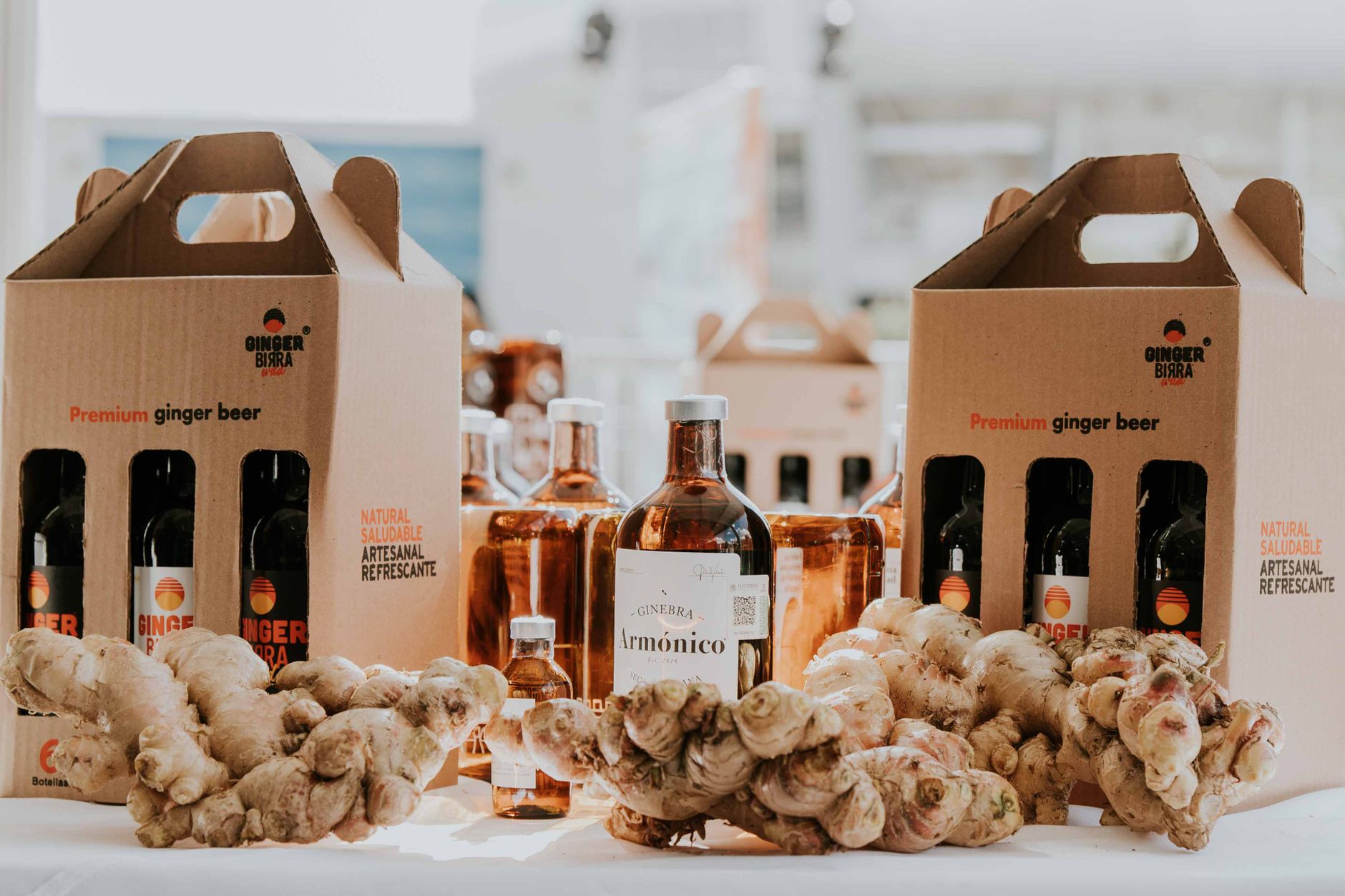
Ginger beer is a beloved beverage known for its spicy kick and effervescence, making it a popular choice for both casual sipping and cocktail mixing. But for those watching their sugar intake, a pressing question often arises: how much sugar is in ginger beer? This article delves into the sugar content of ginger beer, its variations, and how it compares to other beverages.
Understanding the sugar content can help you make informed choices regarding consumption, whether you’re seeking a refreshing drink or watching your dietary intake. Let’s explore how much sugar is typically found in ginger beer by serving size, along with related information that could affect your selection and consumption.
How Much Sugar in Ginger Beer?
The sugar content in ginger beer varies widely based on the brand and type. On average, a standard 12-ounce (355 ml) serving of commercially produced ginger beer can contain anywhere from 30 to 50 grams of sugar. This significant variation often depends on whether the ginger beer is non-alcoholic or alcoholic and if it is made with natural ingredients or high fructose corn syrup.
Factors Influencing Sugar Content
When discussing sugar in ginger beer, several factors play a key role in determining its sugar levels:
- Brand Variations: Different brands have different recipes, leading to varying sugar levels. Manufacturers may use different sweeteners, ranging from cane sugar and molasses to artificial sweeteners in “diet” versions.
- Type of Ginger Beer: Non-alcoholic ginger beers often contain more sugar than their alcoholic counterparts. Craft and artisanal ginger beers frequently use fresh ingredients, which may mean less added sugar but could retain more natural sugars from the ginger itself.
- Natural vs, Processed Sweeteners: Ginger beers made with natural ingredients such as ginger root and agave syrup may have different sugar content compared to those made with processed sugars or high fructose corn syrup.
Average Sugar Content Breakdown
To give a clearer picture of how much sugar different types of ginger beer contain, here is a breakdown by serving size:
| Type of Ginger Beer | Serving Size | Sugar Content (g) |
|---|---|---|
| Regular Ginger Beer | 12 oz (355 ml) | 30-50 g |
| Diet Ginger Beer | 12 oz (355 ml) | 0-2 g (artificial sweeteners) |
| Craft Ginger Beer | 12 oz (355 ml) | 20-40 g |
| Alcoholic Ginger Beer | 12 oz (355 ml) | 10-20 g |
Homemade Ginger Beer: A Healthier Option
For those who want to control the sugar content, brewing homemade ginger beer is an excellent option. Homemade versions allow you to tailor the sweetness to your taste, using natural ingredients. Here’s a basic overview of how to make ginger beer at home:
Ingredients
- 2 cups of granulated sugar (or adjust per taste)
- 1/4 cup of grated fresh ginger
- 1/4 cup of freshly squeezed lemon juice
- 1/4 teaspoon of active dry yeast
- Filtered water (about 2 liters depending on your bottle size)
Equipment Needed
- Large mixing bowl
- Funnel
- Glass bottles with tight-sealing caps
- Wooden spoon
- Measuring cups
Method
- In a large bowl, dissolve the sugar in warm water. Start with about 1 cup of water to aid dissolution.
- Add the grated ginger and lemon juice to the mixture.
- Sprinkle the yeast on top and stir to combine.
- Pour the mixture into the glass bottles using a funnel, leaving about an inch of space at the top for carbonation.
- Seal the bottles and let them sit at room temperature for 2 to 5 days, depending on the desired fizziness.
- Once the carbonation level is satisfactory, refrigerate the bottles to slow fermentation.
- Enjoy your homemade ginger beer responsibly!
Understanding Natural Sugars vs. Added Sugars
When consuming ginger beer, it’s crucial to distinguish between natural and added sugars. Natural sugars come from fruits and vegetables, while added sugars are those that manufacturers incorporate into their products. Ginger beer made with real ginger and no additional sugars can still contain healthy compounds, while those rich in added sugars may contribute to health issues like obesity and diabetes.
Alternatives to Traditional Sugar Content
If you’re looking for alternatives to high-sugar ginger beer, there are several options available:
- Low-Sugar Ginger Beers: Some brands specialize in lower-sugar versions, using minimal sweeteners while still providing that ginger ale flavor.
- Homemade Versions: As mentioned earlier, making your own ginger beer means you can control sugar levels and adjust sweetness through natural sweeteners.
- Soda Water with Ginger: Mixing soda water with fresh grated ginger and a slice of lemon allows you a refreshing drink without high sugar levels.
- Tea Infusions: Ginger tea offers a flavorful alternative with less sugar and can be consumed hot or iced.
Health Considerations
While ginger beer can be an enjoyable treat, understanding its sugar content is essential for health-conscious individuals. Regular consumption of high-sugar beverages may lead to several health risks, including:
- Weight Gain: High sugar intake contributes to increased calorie consumption, potentially leading to weight gain.
- Type 2 Diabetes: Over time, high sugar levels can lead to insulin resistance, increasing the risk for type 2 diabetes.
- Dental Problems: Sugary drinks contribute to tooth decay and other oral health issues.
Pairing Ginger Beer with Food
Apart from drinking ginger beer on its own, it can also be a delightful pairing with various foods. Here are some pairing suggestions:
- Spicy Foods: The spiciness of ginger beer complements dishes like spicy Thai curry or jalapeño-laden tacos.
- Grilled Meats: The carbonation and sweetness can cut through the richness of grilled chicken or ribs, enhancing their flavors.
- Seafood: Ginger beer pairs beautifully with fried fish or shrimp dishes, balancing their saltiness and brightness.
Conclusion
Ginger beer can be a delicious and refreshing choice, especially for those who enjoy its unique flavors. However, it is essential to be mindful of its sugar content, which can vary significantly depending on the brand and type. Whether opting for commercial varieties, crafting homemade versions, or exploring lower-sugar alternatives, informed choices can make this beverage both enjoyable and manageable in terms of sugar consumption.
Explore more about making your own ginger syrup here or learn about the benefits of ginger here. Understanding these ingredients can further enhance your culinary adventures.