
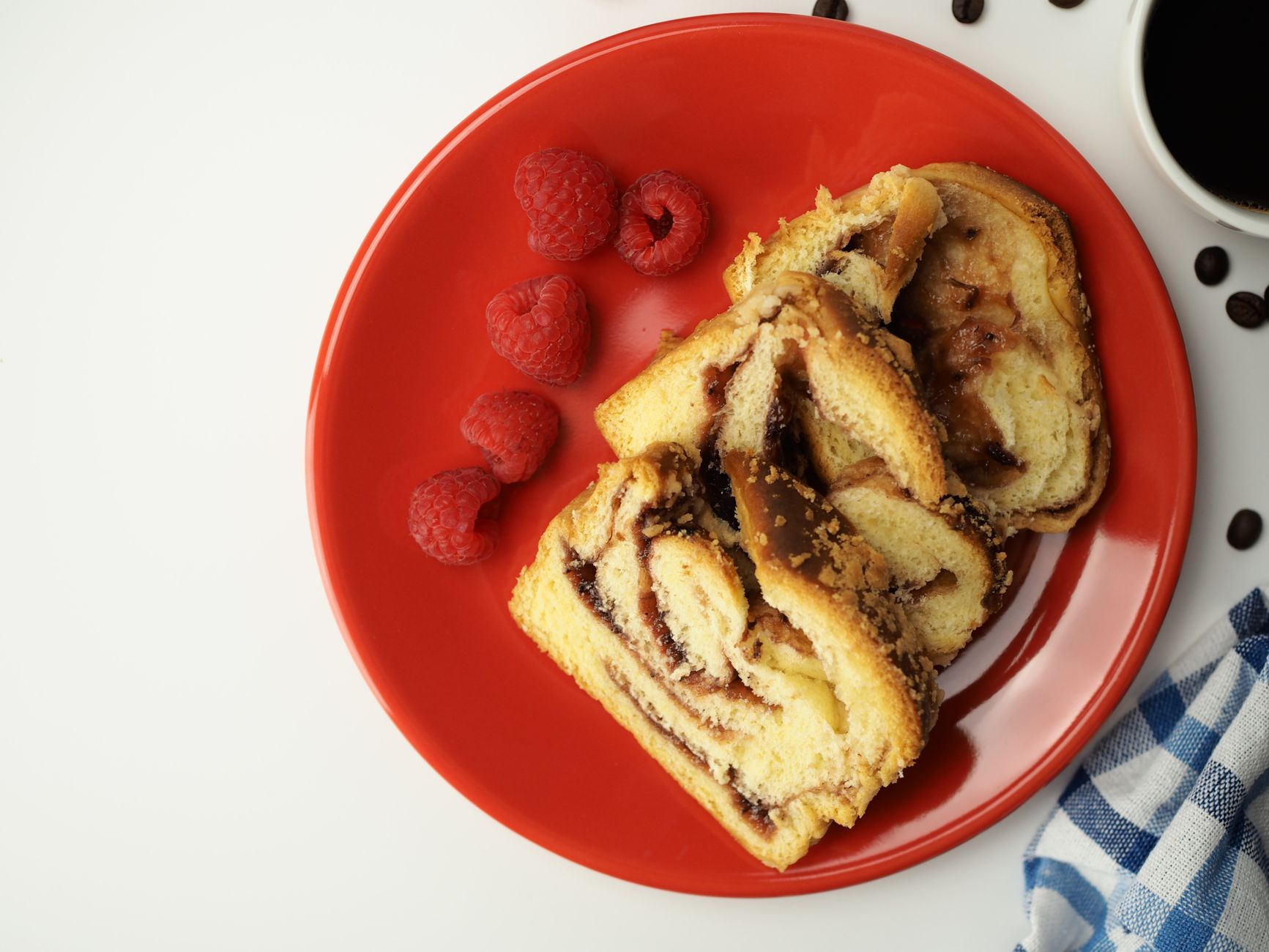
Coffee cake is a delightful treat often served alongside coffee, especially during breakfast or brunch. Its name can lead to some confusion, prompting the natural question: is there coffee in coffee cake? Despite its moniker, traditional coffee cake does not necessarily contain coffee as an ingredient. Instead, coffee cake is designed to complement the coffee-drinking experience, providing sweet and flavorful bites while sipping your brew.
This article will delve into the origins of coffee cake, its variations, ingredient uses, and practical tips for making and enjoying it. By the end, you’ll have a solid understanding of this beloved baked good and why it remains a staple in many households.
Is There Coffee in Coffee Cake?
Typically, coffee cake does not contain coffee. The term “coffee cake” refers to its intent as a delightful accompaniment to coffee rather than a cake flavored with coffee itself. However, modern recipes may occasionally incorporate coffee for additional flavor but are not required in a traditional recipe.
The Origins of Coffee Cake
Understanding the origins of coffee cake can enhance your appreciation for this delightful treat. The concept dates back to European coffee houses in the early 19th century and eventually made its way to America, where it became a staple dessert in many households.
Early recipes were often influenced by traditional cakes made in Germany and other European countries, known for their rich, crumbly textures and streusel toppings. Over time, coffee cake evolved into various regional interpretations, each with its unique flavors and textures, but the common thread remains: it’s designed to be enjoyed with coffee.
Common Types of Coffee Cake
While specific recipes can vary significantly, some common types of coffee cake include:
- Streusel Coffee Cake: This variant features a crumbly streusel topping made from butter, flour, and sugar. It’s often flavored with cinnamon, making it a warm and cozy treat.
- Cinnamon Coffee Cake: A classic moist cake flavored heavily with cinnamon both in the batter and the streusel topping.
- Nutty Coffee Cake: Incorporates nuts, like walnuts or pecans, into either the batter or the streusel topping for added texture and flavor.
- Fruit Coffee Cake: Many coffee cakes include fruit, such as blueberries, peaches, or apples, mixed into the batter or on top for a fresh taste.
- Chocolate Coffee Cake: A modern twist, this variation includes cocoa powder in the batter or chocolate chips for an indulgent experience.
Ingredients in Coffee Cake
Like any cake, the main ingredients in coffee cake are typically flour, sugar, eggs, and butter. Let’s break down these common components and their roles:
Flour
The type of flour used will largely determine the structure of your cake. All-purpose flour is most common in coffee cakes, providing the right balance of structure and tenderness. For a fluffier cake, cake flour can be substituted.
Sugar
Sugar not only sweetens the cake but also contributes to its moisture and texture. Most recipes will call for granulated sugar; however, brown sugar can add depth of flavor, especially in streusel toppings.
Eggs
Eggs serve as a binding agent, providing structure and moisture. They also help to leaven the cake, giving it a light and airy texture.
Butter
Butter contributes flavor, moisture, and richness to the cake. It’s important to use room temperature butter to ensure even mixing and proper incorporation. Using unsalted butter allows control over the salt content in the recipe.
Leavening Agents
Baking powder and sometimes baking soda are used to help the cake rise. These agents create gas bubbles that give the cake its lift and fluffy texture.
Flavorings
Vanilla extract is commonly used to enhance the overall flavor. Other flavorings such as almond extract or spices (like cinnamon or nutmeg) can also be added for extra depth.
Toppings and Mix-ins
Streusel toppings, nuts, and fruit both contribute texture and flavor to the overall cake. The streusel is typically made from flour, sugar, and butter, mixed until crumbly, and then sprinkled generously on top before baking.
Making Coffee Cake: A Step-by-Step Guide
Now that we’ve covered what goes into coffee cake, let’s discuss how to make one. Below is a simple recipe for a classic cinnamon coffee cake. This recipe serves about 8-10 people and takes approximately 20 minutes to prepare, 35 minutes to bake, and about 55 minutes total.
Ingredients
- 2 cups all-purpose flour
- 1 cup granulated sugar
- 2 teaspoons baking powder
- 1/2 teaspoon baking soda
- 1 teaspoon ground cinnamon
- 1/4 teaspoon salt
- 1/2 cup unsalted butter, softened
- 2 large eggs, room temperature
- 1 teaspoon vanilla extract
- 1 cup sour cream
- For the streusel topping:
- 1/2 cup all-purpose flour
- 1/2 cup brown sugar, packed
- 1 teaspoon ground cinnamon
- 1/4 cup unsalted butter, melted
Essential Equipment
- Mixing bowls
- Electric mixer or whisk
- Measuring cups and spoons
- 9×13-inch baking pan
- Spatula
- Cooling rack
Method
- Preheat your oven to 350°F (175°C).
- In a large mixing bowl, whisk together the flour, sugar, baking powder, baking soda, cinnamon, and salt.
- Add the softened butter, eggs, vanilla extract, and sour cream to the dry ingredients. Mix until just combined; do not overmix.
- In a separate bowl, prepare the streusel by combining the flour, brown sugar, and cinnamon. Stir in the melted butter until crumbly.
- Spread half of the batter into the prepared baking pan. Sprinkle half of the streusel mixture over the batter. Add the remaining batter on top and finish with the rest of the streusel.
- Bake for approximately 30-35 minutes or until a toothpick inserted into the center comes out clean.
- Allow the coffee cake to cool in the pan for about 10 minutes before transferring to a cooling rack. Serve warm or at room temperature.
Practical Substitutions and Variations
Many people look to customize their coffee cake to fit their tastes or dietary needs. Here are a few substitution options to consider:
- Flour: Whole wheat flour can be substituted for all-purpose flour to add more fiber, but may result in a denser cake.
- Sugar: For a lower-calorie option, consider using a sugar substitute. Keep in mind that this may alter the texture slightly.
- Sour Cream: Greek yogurt can be used as a healthier alternative to sour cream, adding protein and creaminess.
- Eggs: Flaxseed meal or applesauce can replace eggs for a vegan option (1 tablespoon flaxseed + 2.5 tablespoons water = 1 egg).
- Flavorings: Feel free to experiment with different extracts or spices, such as almond or lemon zest, to give the cake a unique twist.
Common Mistakes to Avoid
Baking can sometimes be tricky, especially with delicate recipes such as coffee cake. Here are some common pitfalls to watch out for:
- Not measuring ingredients accurately. Baking requires precision, so be sure to level off your dry ingredients.
- Overmixing the batter. This can lead to a tough texture; mix just until combined.
- Not preheating the oven. Always preheat to ensure even baking.
- Opening the oven door too often. This can cause fluctuations in temperature that affect how the cake rises.
Serving Suggestions
Once your coffee cake is baked and cooled, there are various ways to serve and enjoy it:
- Pair with a hot cup of coffee or tea, of course! The flavors complement each other perfectly.
- Consider dusting with powdered sugar for a decorative touch.
- Serve with fresh fruit or a dollop of whipped cream for a delightful brunch spread.
- For a richer experience, warm each slice and serve with a scoop of vanilla ice cream.
Make-Ahead and Storage Tips
One of the great aspects of coffee cake is its versatility for make-ahead options:
- Bake your coffee cake a day in advance. Just store it at room temperature, covered with foil or plastic wrap to keep it fresh.
- If you wish to freeze it, wrap it tightly in plastic wrap and then in aluminum foil. It can be stored for up to 3 months. Allow it to thaw at room temperature before unwrapping.
- To reheat, preheat the oven to 350°F (175°C) and warm the cake for about 10 minutes, or microwave individual slices for about 15-20 seconds.
Final Thoughts
Coffee cake is a delightful dish that, while not containing coffee in its traditional form, shines brightly as the perfect companion to your favorite brew. Its simple yet satisfying flavors, combined with its versatility, make it a beloved recipe for gatherings or cozy mornings at home.
By understanding its components, preparation methods, and how to customize it, baking a delicious coffee cake becomes an enjoyable and rewarding experience. The next time you serve coffee, consider adding a warm slice of coffee cake to the table.
If you’d like to experiment further with coffee cake recipes, check out these links for more options: Coffee Cake Muffin Recipe and Bisquick Coffee Cake Recipe.