
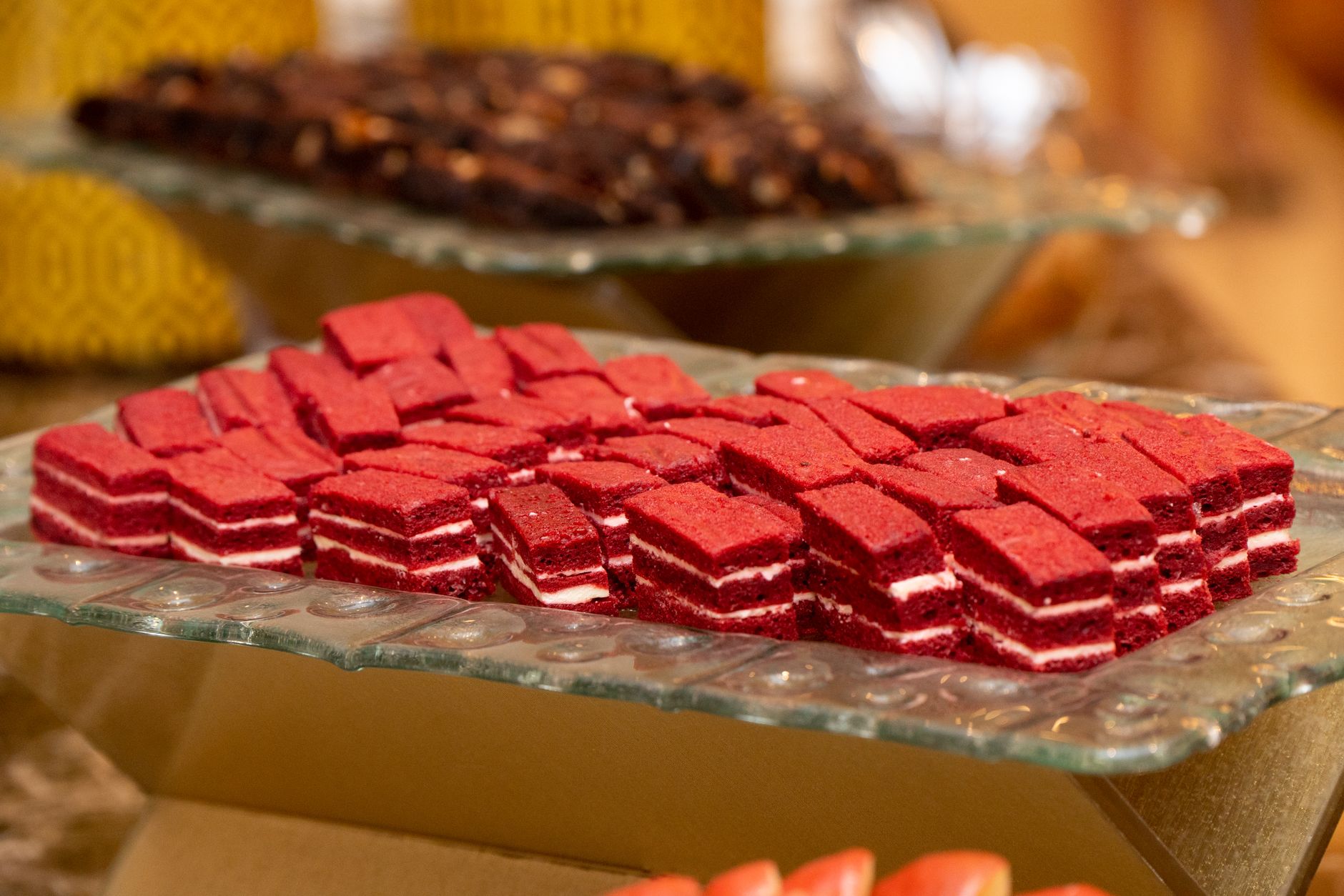
Red velvet cake is a unique dessert that has captivated dessert lovers for generations. Characterized by its striking red hue, this cake is distinguished not just by its appearance, but also by its intriguing flavor and texture. Let’s explore what exactly red velvet cake tastes like, materializing its flavor profile, texture, and commonly paired ingredients.
Initially, red velvet cake originated in the southern United States, blending the richness of cocoa with a tender, moist crumb. The cake’s flavor is often described as a subtle chocolate taste complemented by a slight tang. Together, these elements create a nostalgic dessert experience that is well-loved for its visual appeal and delicious flavor.
What Does Red Velvet Cake Taste Like?
Red velvet cake offers a delicious and somewhat complex flavor. The cocoa powder provides a light chocolatey flavor, while the buttermilk contributes a slight tanginess. This combination makes the cake taste richer and more decadent than it might seem at first glance. Additionally, the cream cheese or buttercream frosting often used is typically sweet and creamy, which enhances the overall sweetness of the cake.
Flavor Profile of Red Velvet Cake
The flavor profile of red velvet cake is an intriguing mix of sweetness, mild chocolate, and slight acidity. Here’s a breakdown of each component:
- Chocolate Flavor: The most distinguishable aspect of red velvet cake is its subtle chocolate flavor. Unlike traditional chocolate cake, where the chocolate flavor is prominent, red velvet features cocoa as a supporting note, making it lighter and less intense.
- Buttermilk Tang: The inclusion of buttermilk not only affects the texture, making it moist, but also introduces a slight tang. This acidity balances the sweetness of the cake and frosting.
- Sweetness: While red velvet cake is not overwhelmingly sweet, it carries enough sugar to create a delightful treat. The sweetness is elevated further by the frosting, which is usually a rich cream cheese or buttercream.
- Vanilla Essence: Most recipes incorporate vanilla extract, which adds an aromatic quality to the cake, enhancing its overall flavor.
Texture of Red Velvet Cake
Texture is just as important as flavor when it comes to the enjoyment of red velvet cake. The cake is known for its velvety soft and moist crumb, which is ideal for a dessert. Here’s an outline of what contributes to its unique texture:
- Moistness: The presence of oil (often vegetable or canola oil) and buttermilk ensures that red velvet cake remains moist. This texture can be contrasted with drier cakes, providing a more enjoyable mouthfeel.
- Fine Crumb: The combination of buttermilk and the right amount of leavening agents (i.e., baking soda and vinegar) aids in creating a fine crumb structure, which adds to the cake’s delicate nature.
- Soft and Tender: Red velvet cake is known for being soft and tender, making it easy to cut and serve. This tenderness can come from the fats used and the incorporation of the wet ingredients.
- Frosting Creaminess: The frosting, typically cream cheese or buttercream, adds another layer of texture. Its creamy consistency creates a delightful contrast with the moist cake.
Common Ingredients in Red Velvet Cake
The classic red velvet cake includes a variety of ingredients, each playing a crucial role in achieving the desired taste and texture:
- All-Purpose Flour: This is the foundation of the cake, providing structure.
- Cocoa Powder: Often used in a smaller quantity compared to chocolate cake, adding a hint of chocolate flavor.
- Granulated Sugar: Sweetens the cake and provides moisture.
- Vegetable Oil: Keeps the cake moist and adds a tender crumb.
- Buttermilk: This adds moisture and a slight tang, crucial for the flavor profile.
- Eggs: Bind the ingredients and contribute to the cake’s overall structure.
- Vinegar: Reacts with baking soda, helping the cake rise and adding acidity to enhance the flavor.
- Red Food Coloring: Essential for that distinctive red hue which red velvet cakes are known for.
Frosting Choices
The choice of frosting can deeply influence the overall flavor experience. Common frostings include:
- Cream Cheese Frosting: Rich and tangy, it beautifully complements the cake’s flavors and adds to its moistness.
- Buttercream Frosting: Sweet and fluffy, this frosting tends to be richer than cream cheese frosting and adds a smooth texture.
- Chocolate Frosting: While less traditional, some prefer chocolate frosting for a double chocolate experience.
Variations of Red Velvet Cake
Over time, various adaptations of the classic red velvet cake have emerged. Each of these variations offers its unique twist on flavor and texture:
- Red Velvet Cupcakes: A smaller, portable version, perfect for personal servings.
- Red Velvet Layer Cake: Featuring multiple layers of red velvet cake and frosting, it enhances presentation and flavor density.
- Red Velvet Cheesecake: A delightful combination of red velvet cake and cream cheese cheesecake layers.
- Red Velvet Pancakes: Combining the iconic flavors in a breakfast form, these pancakes are often topped with cream cheese syrup.
Common Mistakes While Making Red Velvet Cake
Creating a red velvet cake can be an enjoyable experience, but there are common mistakes to avoid to ensure the best results:
- Overmixing: Mixing too aggressively can lead to dense cake. Mix until the ingredients are combined; do not overwork the batter.
- Incorrect Oven Temperature: Baking at the wrong temperature can lead to an uneven rise. Always preheat your oven and use an oven thermometer if necessary.
- Substituting Ingredients: While some swaps are acceptable, replacing key ingredients, like buttermilk or cocoa powder, can alter the cake’s flavor and texture.
- Overbaking: Red velvet cake should be moist. Keep a close eye on baking times, and use a toothpick to check for doneness. It should come out clean but not dry.
Common Troubleshooting Tips
If you encounter issues while baking, here are some troubleshooting tips:
- If the cake is too dry, ensure you are measuring ingredients accurately. Adding too much flour can lead to dryness.
- If the cake sinks in the middle, it may not have been baked long enough, or too much leavening agent was added.
- If your frosting is too soft, refrigerating it for a short period can help it firm up. Ensure you are also using the right ratios of butter and sugar.
Serving Suggestions for Red Velvet Cake
Red velvet cake is versatile when it comes to serving. It is often a centerpiece at special occasions, but can also be enjoyed at casual gatherings. Here are a few serving suggestions:
- Garnish with fresh berries or edible flowers for a pop of color and added freshness.
- Serve alongside a scoop of vanilla ice cream for a delightful dessert combination.
- A drizzle of chocolate or white chocolate sauce can enhance the sweetness, making it visually appealing.
Storing and Reheating Red Velvet Cake
If you have leftover red velvet cake, it’s essential to store it properly to retain its moisture and freshness:
- Refrigeration: Store in an airtight container in the refrigerator for up to a week. This helps maintain the moisture in the cake.
- Freezing: For longer storage, red velvet cake can be frozen for up to three months. Wrap it tightly with plastic wrap and then foil to prevent freezer burn.
- Reheating: For an enjoyable serve, if the cake was frozen, allow it to thaw in the fridge. When ready to serve, you can briefly microwave a slice for about 10-15 seconds to enjoy it warm.
Conclusion
Red velvet cake is a delightful combination of subtle cocoa flavor, a hint of tanginess from the buttermilk, and a lush, moist crumb. Its unique taste and texture make it a favored dessert that stands out in any setting, from birthday parties to weddings. Whether you’re preparing a traditional red velvet cake or one of its many variations, understanding its composition will enhance your baking experience and flavor satisfaction.
For further exploration, you might want to check out our recipes for red velvet cupcakes or buttercream frosting. Understanding these elements can lead to an even more enjoyable culinary experience.