
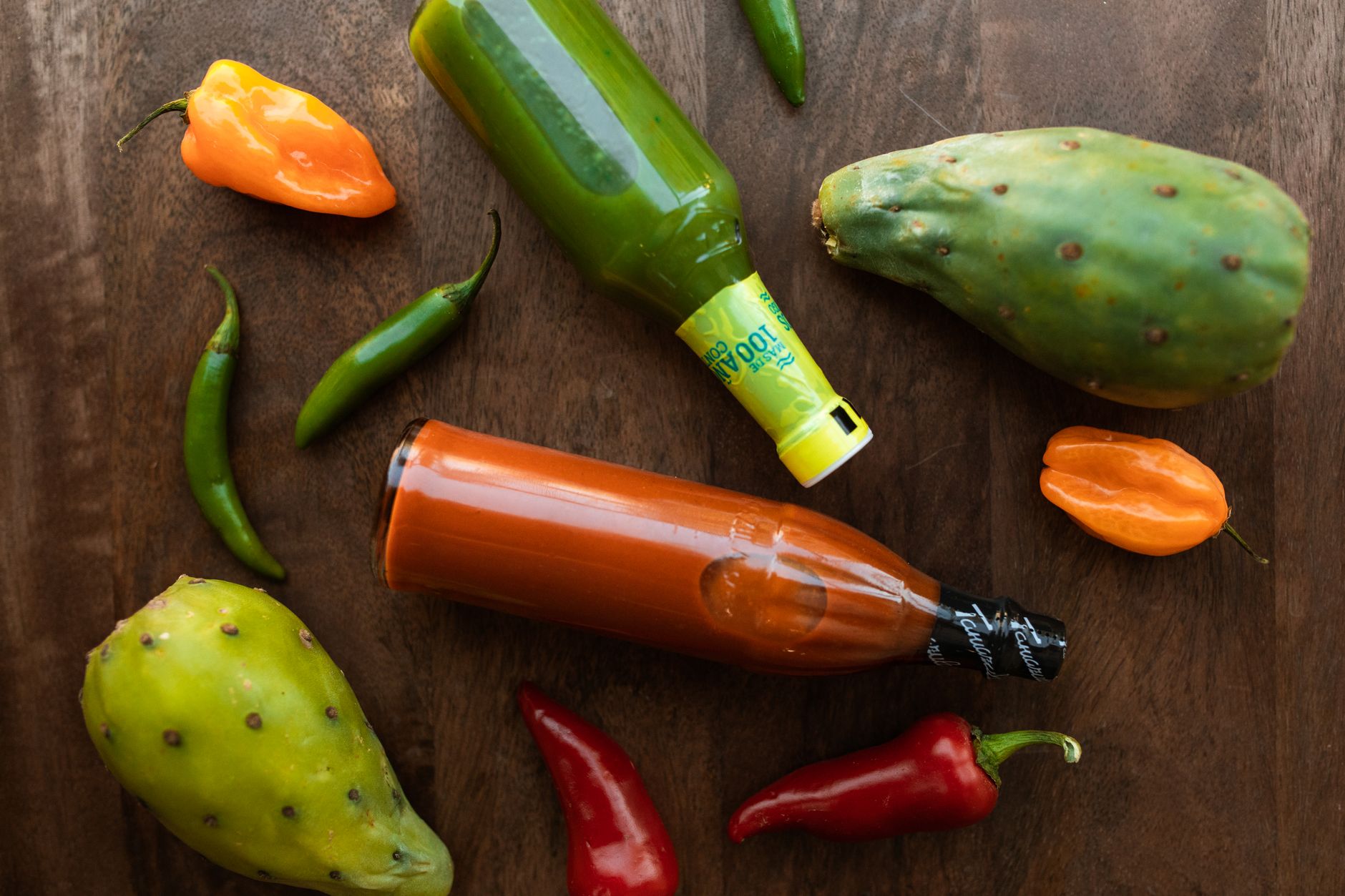
Spices can transform a mundane dish into a flavor explosion, but they can also bring an unwelcome intensity. Understanding how to balance and manage spice levels in your cooking is essential for crafting delicious meals that cater to all taste buds. This guide will explore effective methods and ingredients that help temper spice, making your culinary creations accessible and enjoyable.
From dairy products to sweeteners and certain vegetables, this article outlines a variety of options for cooling down the heat in spicy dishes. Discover how to navigate spice levels effectively so that you can embark on an adventurous cooking journey without fear of overwhelming your senses.
What Helps With Spice?
Many ingredients and techniques help balance or reduce spiciness in dishes. Dairy products, sweeteners, acidic ingredients, and specific vegetables not only counteract the heat but also enhance overall flavor. Understanding how these elements work together can expand your cooking repertoire.
Understanding the Heat of Spices
To effectively manage spice levels, it’s vital to understand what causes heat in foods. The compound responsible for the heat of chili peppers is called capsaicin. It interacts with the nerve receptors in our mouths, registering a burning sensation. While some individuals may enjoy this heat, others may find it overwhelming.
Scoville Scale
The Scoville scale measures the heat of chili peppers and other spicy foods in Scoville Heat Units (SHU). Peppers like bell peppers are at 0 SHU, while ghost peppers can soar into the millions. Understanding the heat level of the spices you are using will help you choose the right balancing ingredients.
Ingredients That Help Balance Spiciness
Here are some key ingredients that can help tame the heat in spicy dishes:
- Dairy Products: Dairy contains casein, a protein that binds to capsaicin and helps neutralize its heat. Some common dairy options include:
- Yogurt: Creamy and versatile, yogurt can be spooned onto spicy dishes or used in sauces.
- Milk: The fat content in milk helps soothe the palate. Drink it alongside the spicy dish or use it in marinades.
- Cheese: Creamy cheeses, like sour cream or goat cheese, can be added to dishes for a cooling effect.
- Sweeteners: Sweetness counters spice by balancing flavors. Consider these sweetening options:
- Sugar: A simple addition to sauces or marinades, sugar can cut through heat effectively.
- Honey: Drizzling honey over spicy dishes can provide a nice contrast while adding depth.
- Maple Syrup: This natural sweetness can be a great addition to sauces or dressings.
- Acidic Ingredients: Acidity can balance spicy flavors, giving a refreshing taste. Effective options include:
- Lemon/Lime Juice: Freshly squeezed juice brightens and balances heat in dressings or marinades.
- Vinegar: Different varieties of vinegar, such as apple cider or rice vinegar, can add a tangy flavor that helps tone down spice.
- Tomatoes: Tomato-based sauces can add acidity while also diluting the heat.
- Vegetables: Certain vegetables can absorb heat or provide a cooling crunch. These include:
- Cucumber: A crisp and refreshing vegetable, cucumbers can be added fresh or blended into dressings.
- Avocado: Creamy avocados can help mellow spicy foods when included in dishes or toppings.
- Potatoes: Starchy potatoes absorb heat well and can be served alongside spicy dishes.
Cooking Techniques for Managing Spice
In addition to choosing effective ingredients, specific cooking techniques can help moderate spice levels in your meals.
Double the Ingredients
If a dish has become too spicy, consider doubling the other main ingredients (except for the spices). This distribution can help dilute the spice further.
Use Cooking Techniques That Enhance Cooling Ingredients
Methods such as grilling or roasting may intensify the flavors, including heat. For cooling elements, consider these techniques:
- Blanching: Blanch vegetables like broccoli or green beans before adding them to spicy dishes to soften them and reduce their bite.
- Simmering: Cooking spicy ingredients at a lower heat with dairy or acidic ingredients can moderate the overall heat and improve flavor harmony.
Mixing and Matching
If designing a dish with various heat levels, try combining spicy and cooling ingredients in layers to create a balanced palette. This method will give your diners the choice to enjoy different levels of spice.
Recipe: Creamy Spicy Chicken Tacos
This recipe for creamy spicy chicken tacos provides a way to incorporate heat while also balancing flavors through dairy and other cooling elements. It yields four servings and takes approximately 30 minutes total to prepare.
- Yield: 4 servings
- Preparation Time: 10 minutes
- Cooking Time: 20 minutes
- Total Time: 30 minutes
Ingredients
- 1 pound chicken breast, diced
- 1 tablespoon oil (olive or vegetable)
- 1 teaspoon chili powder
- 1 tablespoon taco seasoning
- 1/2 teaspoon salt
- 1/4 cup sour cream
- 1/4 cup plain yogurt
- Juice of 1 lime
- Tortillas for serving (corn or flour)
- Optional toppings: chopped cilantro, avocado slices, diced tomatoes, and shredded cheese
Essential Equipment
- Skillet
- Spatula
- Mixing bowl
- Measuring spoons
- Cutting board
- Knife
Method
- Heat the oil in a skillet over medium heat.
- Add the diced chicken to the skillet and season with chili powder, taco seasoning, and salt. Cook until the chicken is no longer pink and fully cooked, about 7-10 minutes.
- In a mixing bowl, combine sour cream, yogurt, and lime juice. Add the mixture to the cooked chicken and stir until well coated and combined.
- Warm the tortillas in a dry skillet or microwave according to package directions.
- Assemble the tacos by adding the creamy spicy chicken mixture to each tortilla. Top with chopped cilantro, avocado slices, diced tomatoes, and shredded cheese if desired.
Practical Substitutions and Variations
Feel free to adapt the recipe based on your preferences or dietary needs:
- Protein Options: Substitute diced chicken with grilled shrimp, crumbled tofu, or black beans for a vegetarian version.
- Heat Level: Adjust the amount of chili powder to suit spiciness. For less heat, use half the amount or replace it with paprika.
- Dairy-Free Version: Use dairy-free yogurt and sour cream alternatives to create a creamy texture without dairy.
Avoiding Common Mistakes
Here are some common mistakes to watch for when managing spice in your cooking:
- Only Adding Cooling Ingredients: Simply adding milk or yogurt on top may not effectively reduce spice if it is concentrated in the dish. Incorporate it during cooking.
- Over-Compensation: Adding too much sweet or dairy can mask other flavors. Aim for balance instead of taking the temperature down too far.
- Neglecting Spice Levels: Taste your dish as you go. If it’s spicy, add a cooling ingredient incrementally versus all at once to find the right balance.
Storage and Reheating Guidance
If you have leftover spicy chicken tacos, they can be stored in an airtight container in the refrigerator for up to 3 days. When reheating, aim to warm gently on the stovetop or in the microwave to maintain the texture of the chicken and tortillas. Re-add fresh toppings like avocado or cilantro just before serving for the best taste.
Exploring Regional Cuisine
Understanding how different cultures manage spice can profoundly influence your cooking. For example, Indian cuisine often balances spices with yogurt or chutneys, while Thai dishes may feature coconut milk to temper heat. Exploring these culinary techniques can inspire your spice-handling methods.
Conclusion
Effectively managing spice is about finding the right balance of flavors, ingredients, and cooking techniques. By utilizing dairy, sweeteners, acidic elements, and certain vegetables, you can create dishes that celebrate spice while remaining inviting. The possibilities are endless—embrace the heat while adjusting it to suit your dining experience!
For more ways to enhance your dishes, consider exploring our hot honey recipe or our chili oil recipe for added flavor adventures.