
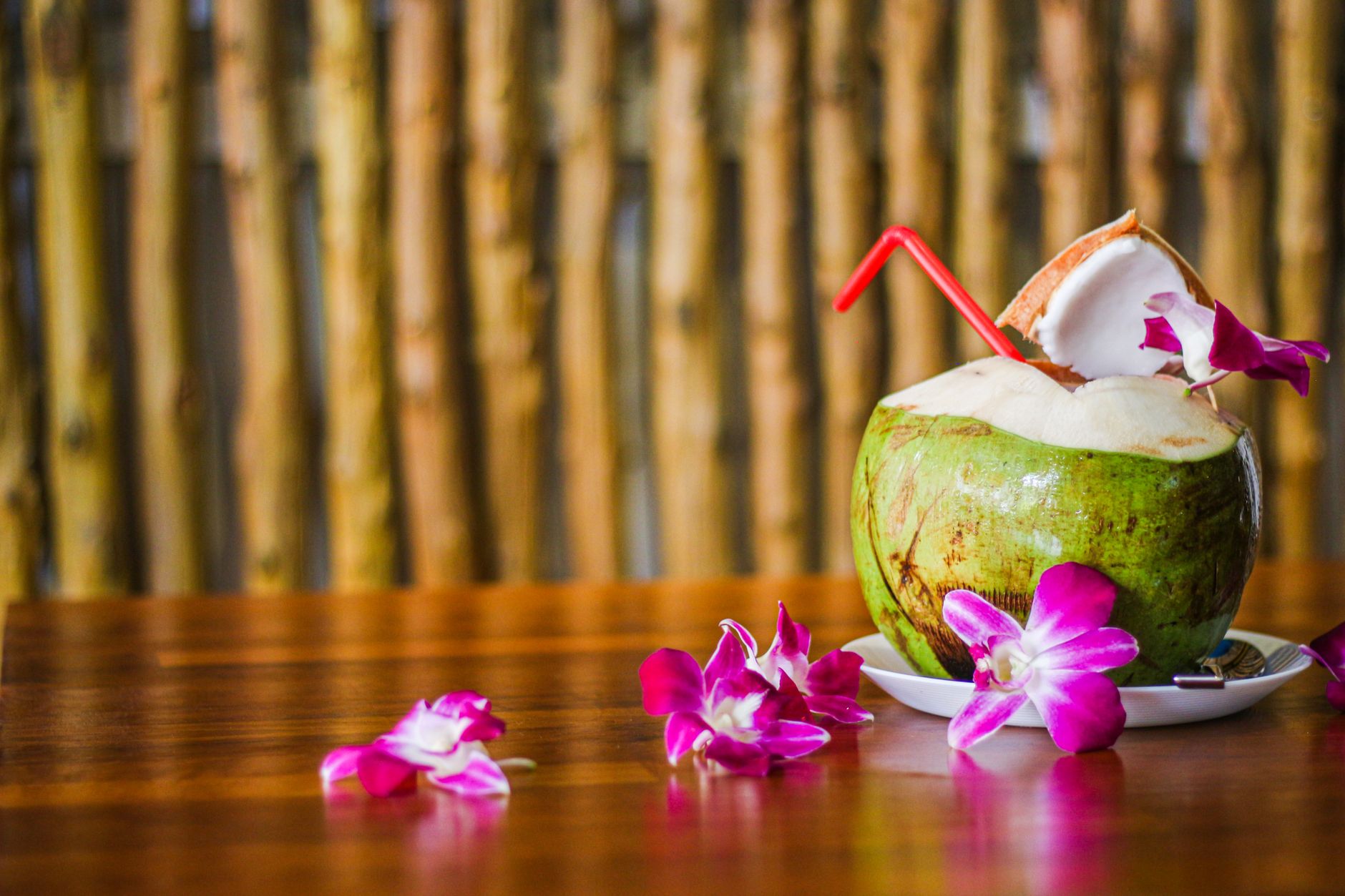
The coconut is a versatile and popular ingredient in many culinary traditions, often found in both sweet and savory dishes around the world. However, a common question arises: is a coconut a tree nut? Understanding the classification of coconuts can help guide your cooking experiments and ingredient choices.
This article explores the botanical classification of coconuts, their culinary characteristics, and various kitchen uses to help inform your cooking decisions. We will delve into their flavor profiles, textures, and practical applications, making it easier for you to incorporate coconuts into your meals.
Is A Coconut A Tree Nut?
No, a coconut is not classified as a tree nut. Botanically speaking, coconuts are classified as drupes, which are a type of fruit containing a hard seed. This means that while coconuts share some similarities with tree nuts, they belong to a different category altogether.
Tree nuts refer specifically to seeds from trees that are enclosed in a hard shell, such as almonds, walnuts, and pecans. Coconuts, on the other hand, have a fibrous husk and a hard, woody shell with a seed inside, making them more akin to fruits in botanical terms.
Understanding the Nature of Coconuts
To appreciate coconuts fully, it is important to understand their structure and the different parts that contribute to their culinary uses. Coconuts consist of three main components: the outer husk, the hard shell, and the flesh, which is the edible part.
The Structure of a Coconut
- Outer Husk: This is the fibrous, green or brown layer that protects the coconut. While it is typically discarded, it can be used in some crafts and garden mulch.
- Hard Shell: The brown, hard exterior contains the coconut water and meat. This is the part often cracked open to access the inner contents.
- Coconut Water: This refreshing liquid is found within the coconut and is known for its natural sweetness and hydration properties.
- Coconut Meat: The white edible flesh, which can be consumed fresh, dried, or processed into coconut milk or cream.
Culinary Uses of Coconuts
Coconuts are incredibly versatile, and their various forms offer unique texture and flavors for a wide range of dishes. Below are some common culinary applications of coconuts in the kitchen.
Coconut Meat
The flesh of the coconut can be used fresh or dried. Fresh coconut meat is creamy and slightly sweet, making it a fantastic addition to tropical smoothies, salads, and desserts. Dried coconut, sometimes referred to as coconut flakes or shredded coconut, adds texture to baked goods and granola bars.
Coconut Water
Coconut water is often hailed as a natural electrolyte drink. It’s low in calories and hydrates the body effectively. Many people enjoy it as a refreshing drink on its own or use it in smoothies, cocktails, or as a base for soups and sauces.
Coconut Milk and Cream
Coconut milk is a popular ingredient in many Asian, Caribbean, and tropical dishes, providing a creamy texture and rich flavor. It is made by blending coconut meat with water and then straining out the solids. Coconut cream is thicker and richer than coconut milk and is ideal for desserts, curries, and whipped toppings.
Coconut Flavor Profile and Texture
Coconuts have a distinctive, sweet, and nutty flavor that can enhance a variety of dishes. Here is a closer look at their flavor profile and texture:
- Flavor: Coconuts are mildly sweet, with variations depending on preparation methods. Fresh coconut meat has a subtle sweetness, while toasted coconut adds a deeper, nuttier flavor.
- Texture: Raw coconut meat is firm and chewy, while dried coconut can be crunchy. Coconut milk is smooth and velvety, whereas coconut cream has a thick, rich consistency.
Common Culinary Applications of Coconut
Coconut lends itself to a wide variety of dishes, making it a staple ingredient in many cultures. Here are some of its common applications:
Baking with Coconut
Coconut is frequently used in baked goods, from cakes to cookies to bars. Here are some popular uses:
- Coconut Macaroons: These sweet treats consist of shredded coconut, egg whites, and sugar, baked until golden brown.
- Coconut Cake: A fluffy cake made with coconut milk or cream, often frosted with coconut cream frosting and topped with toasted coconut.
- Cookies: Coconut cookies are chewy and flavorful, commonly made with shredded coconut as a key ingredient. These cookies can be complemented by chocolate chips or nuts for added texture.
Coconut in Savory Dishes
Coconuts are also featured in savory dishes, contributing depth, richness, and tropical flair:
- Curry: Coconut milk is a fundamental ingredient in many curries, adding creaminess that balances spices.
- Soups: Coconut water or milk can be used in soups for a refreshing flavor, especially popular in Thai cuisine.
- Stir-fries: Fresh coconut meat can add texture and flavor to vegetable and meat stir-fry dishes.
Drinks and Beverages
Coconut water is a popular beverage on its own, but it can also be used creatively in cocktails and smoothies:
- Coconut Water Cocktail: Mix coconut water with rum for a refreshing tropical drink.
- Piña Colada: A classic cocktail combining coconut cream, pineapple juice, and rum, blended to a smooth consistency.
Practical Substitutions for Coconut
In case you need to replace coconut in recipes, here are some practical substitutions based on the form of coconut you’re using:
Substituting Coconut Meat
- Substitute: Use chopped or shredded almonds for texture, though they will lack the sweetness. Alternatively, sunflower seeds can provide crunch without the coconut flavor.
Substituting Coconut Milk
- Substitute: Almond milk or cashew milk can work in many recipes calling for coconut milk, though they may not provide the same richness. If a thicker consistency is needed, consider adding a touch of olive oil or nut butter.
Substituting Coconut Water
- Substitute: You can use plain water or, for added flavor, fruit juices such as pineapple or orange juice, but these will change the overall flavor profile.
Storage and Maintenance of Coconuts
Proper storage of coconuts and coconut products ensures freshness and retains flavor. Here is how to store them:
- Whole Coconuts: Store whole coconuts in a cool, dry place, and they can last several weeks.
- Fresh Coconut Meat: Store in an airtight container in the refrigerator for up to five days or freeze for longer storage.
- Dried Coconut: Keep in an airtight container in a cool place and use within six months for optimal freshness.
- Coconut Milk: Unopened coconut milk can sit in a pantry, while opened coconut milk should be refrigerated and used within a week.
Common Mistakes to Avoid When Using Coconut
When using coconut in your cooking and baking, be mindful of these common pitfalls:
- Over toasting: If toasting coconut, watch it closely as it can burn quickly, resulting in an unpleasant bitter flavor.
- Using expired products: Coconut products can spoil, particularly coconut milk. Always check the expiration date and smell before use.
- Skipping measurement: Coconut’s strong flavor can easily overpower other ingredients. Measure carefully when adding coconut to recipes.
Delicious Coconut Recipe Ideas
Ready to experiment with coconuts in the kitchen? Here are a couple of recipe ideas to inspire your culinary creativity:
Creamy Coconut Shrimp
This tropical dish highlights the rich flavors of coconut through a creamy sauce and succulent shrimp.
- Yield: 4 servings
- Preparation Time: 15 minutes
- Cooking Time: 20 minutes
- Total Time: 35 minutes
Ingredients:
- 1 pound shrimp, peeled and deveined
- 1 can coconut milk
- 2 cloves garlic, minced
- 1 tablespoon ginger, minced
- 1 tablespoon lime juice
- Salt and pepper, to taste
- Fresh cilantro, for garnish
Method:
- In a large skillet, sauté garlic and ginger over medium heat until fragrant.
- Add shrimp and cook until they turn pink, about 3-4 minutes.
- Pour in coconut milk and lime juice, stirring to combine.
- Simmer for 5-7 minutes until the sauce thickens, adding salt and pepper to taste.
- Garnish with fresh cilantro before serving over rice or noodles.
Coconut Cookies
These cookies are chewy, flavorful, and perfect for a sweet treat.
- Yield: 24 cookies
- Preparation Time: 10 minutes
- Cooking Time: 12-15 minutes
- Total Time: 25 minutes
Ingredients:
- 2 cups all-purpose flour
- 1 cup shredded coconut
- 1/2 cup unsalted butter, softened
- 1 cup brown sugar
- 1/2 cup granulated sugar
- 2 eggs
- 1 teaspoon vanilla extract
- 1 teaspoon baking soda
- 1/2 teaspoon salt
Method:
- Preheat the oven to 350°F (175°C) and line a baking sheet with parchment paper.
- In a mixing bowl, cream together the butter, brown sugar, and granulated sugar until light and fluffy.
- Add eggs and vanilla extract, beating until well combined.
- In another bowl, whisk together flour, baking soda, salt, and shredded coconut.
- Gradually add the dry ingredients to the wet ingredients, mixing until just combined.
- Drop tablespoonfuls of dough onto the prepared baking sheet and bake for 12-15 minutes or until the edges are golden brown.
Final Thoughts
Coconuts are a unique ingredient that can enhance your cooking and baking endeavors. Their classification as drupes rather than tree nuts means they can be enjoyed by many who may be allergic to common tree nuts. From creamy coconut shrimp to sweet coconut cookies, the possibilities are endless when it comes to utilizing coconuts in your dishes.
Explore different coconut-based recipes and discover how this exotic fruit can bring a tropical flair to your meals. Consider trying our creamy coconut shrimp recipe or indulge in the sweet treat of coconut cookies to experience the delicious properties of this versatile ingredient!