
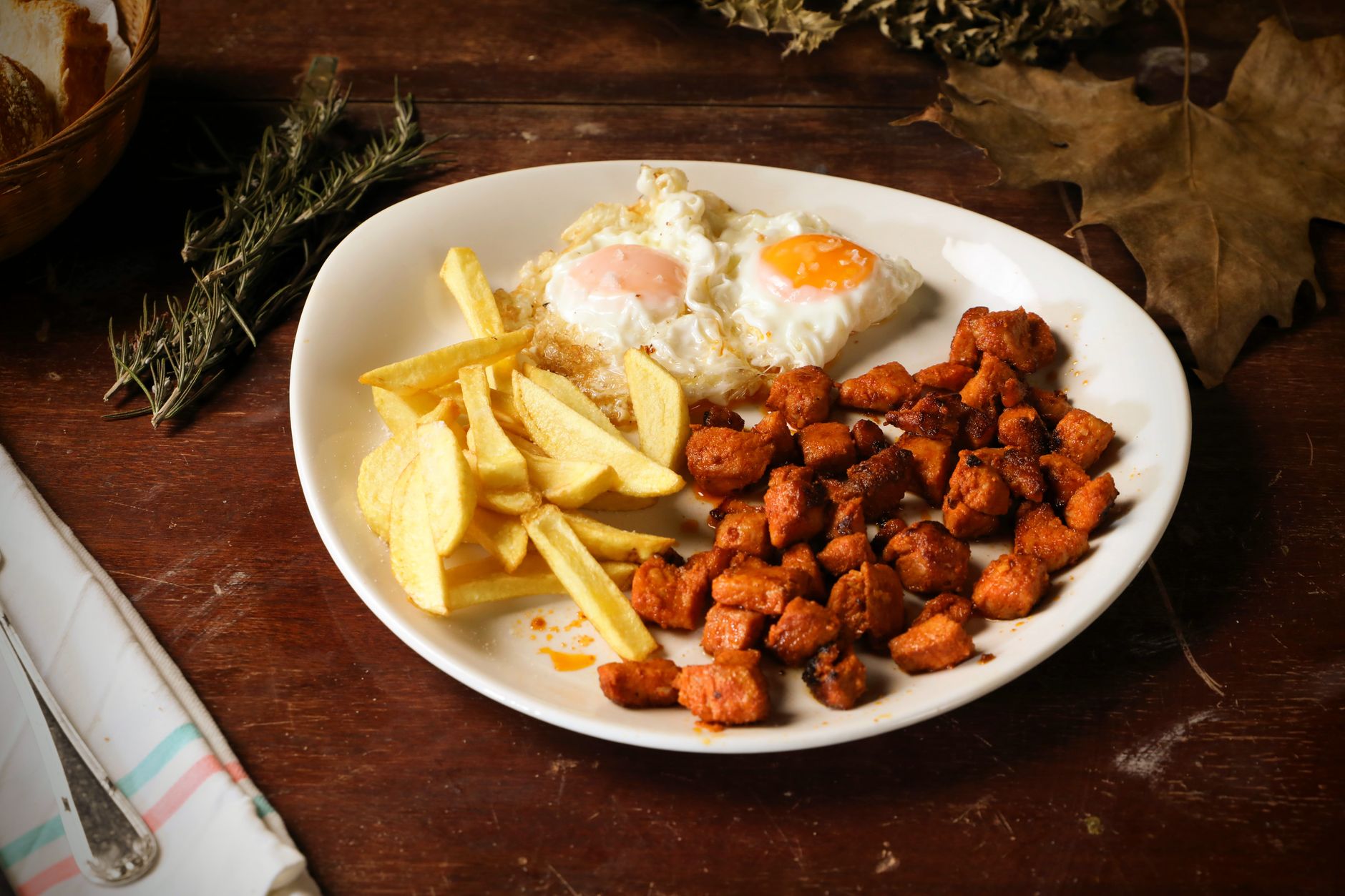
Fried eggs are a versatile and beloved breakfast staple enjoyed worldwide. They can be prepared in various styles, each offering a unique flavor and texture. Whether you prefer your fried eggs sunny-side-up, over-easy, or hard, this guide will explore the ingredients, flavors, techniques, and best ways to serve fried eggs.
In this article, we will cover how to fry eggs to perfection, including tips for achieving the right doneness, common mistakes to avoid, ideal ingredient pairings, and serving suggestions. Get ready to learn everything you need to know about this classic dish!
What Are Fried Eggs?
Fried eggs are eggs that have been cooked in a skillet or frying pan with a small amount of oil or butter until the whites are set and the yolks are cooked to the desired level of doneness. The cooking method can vary, resulting in different styles, such as sunny-side-up, over-easy, over-medium, and over-hard. Each style offers a different balance of flavors and textures, making fried eggs a popular choice for breakfast, brunch, or any meal of the day.
Ingredients for Fried Eggs
Fried eggs require minimal ingredients, making them an easy and economical choice for any meal. Here’s a breakdown of the essential ingredients:
- Eggs: Fresh eggs are the star of the dish. Choose high-quality eggs for the best flavor and texture.
- Fat: Oil, butter, or a combination of both is used for frying. Butter adds richness and flavor, while oil can create a crisp exterior.
- Salt and Pepper: Basic seasonings that enhance the flavor of the eggs. Additional spices can be added for variety.
Optional Ingredients
While the basic ingredients are sufficient to prepare delicious fried eggs, here are some optional ingredients to enhance your dish:
- Herbs: Fresh herbs such as chives, parsley, or cilantro can add brightness and freshness.
- Cheese: Grated cheese, such as cheddar or feta, can be sprinkled on top of the eggs while they cook for added flavor.
- Vegetables: Sautéed vegetables like bell peppers, spinach, or mushrooms can be added to the frying pan for a nutritious boost.
- Hot Sauce: A dash of hot sauce can elevate the dish with a kick of heat.
Types of Fried Eggs
Fried eggs can be cooked in several styles based on how the yolk is prepared. Here are the most common types:
- Sunny-Side-Up: The egg is fried on one side until the white is fully set but the yolk remains runny, resembling a sun.
- Over-Easy: The egg is flipped after the white is set, cooking the yolk slightly, leaving it still runny.
- Over-Medium: Similar to over-easy but cooked longer, resulting in partially set yolks.
- Over-Hard: The egg is flipped and cooked until the yolk is fully cooked through.
How to Fry Eggs
Frying eggs requires attention to detail and timing to achieve the desired results. Below is a step-by-step guide to frying eggs, including preparation and cooking methods.
Essential Equipment
Before you start, ensure you have the necessary tools:
- Skillet or frying pan (non-stick is preferable)
- Spatula
- Bowl for cracking eggs
- Plate for serving
Step-by-Step Method
- Preheat the Skillet: Heat your skillet over medium heat. Allow it to warm up for a minute or two.
- Add Fat: Once the skillet is hot, add about 1 tablespoon of butter or oil. Allow it to melt and coat the bottom of the pan.
- Crack the Eggs: Crack the eggs into a bowl (to prevent shell fragments) and carefully slide them into the skillet. Alternatively, crack directly into the skillet if you’re confident.
- Cook the Eggs: Let the eggs cook undisturbed. For sunny-side-up, cook until the whites are completely set, approximately 2 to 4 minutes. For over-easy, wait for the whites to set, then gently flip them and cook for an additional 30 seconds to 1 minute.
- Season: Sprinkle salt and pepper while cooking for extra flavor.
- Check Doneness: For sunny-side-up, ensure that the white is firm but the yolk remains runny. For over-easy, the yolk should still jiggle slightly.
- Remove and Serve: Carefully lift the eggs out of the skillet with a spatula and place them on a plate.
Common Mistakes to Avoid
Frying eggs may seem simple, but there are common pitfalls that can affect the final product:
- Overcooking: Be cautious not to overcook the eggs, especially when making sunny-side-up eggs. They should have a runny yolk.
- Too Much Heat: Cooking on high heat can cause the whites to cook too quickly and the yolk to remain raw. Keep the heat at medium.
- Using Old Eggs: Fresh eggs will give you a better taste and texture. Check the freshness of your eggs before cooking.
Flavor Profile and Texture
Fried eggs have a rich, savory flavor complemented by the creaminess of the yolk and the firmness of the whites. The cooking fat further enhances the taste, with butter offering a nutty richness and oil providing a cleaner flavor. The crisp edges created in the frying process contrast beautifully with the soft yolk, making each bite satisfying.
How to Serve Fried Eggs
Fried eggs can be served in a multitude of ways. Here are some delicious suggestions:
- On Toast: Place fried eggs on a buttered slice of toast for a classic breakfast option.
- As Part of a Breakfast Bowl: Include fried eggs in a hearty bowl with grains, veggies, and sauces for a balanced meal.
- With Sautéed Greens: Pair fried eggs with sautéed spinach or kale for a nutritious boost.
- Topped with Avocado: Avocado slices or guacamole add creaminess and a fresh taste.
- With Breakfast Meats: Serve fried eggs alongside bacon, sausage, or ham for a traditional breakfast.
Creative Serving Ideas
For those wanting to elevate the humble fried egg, consider these creative serving ideas:
- Eggs Benedict: Top a fried egg with Canadian bacon and hollandaise sauce on an English muffin.
- Shakshuka: Serve fried eggs atop a spiced tomato and pepper sauce for Middle Eastern flair.
- Tacos: Use fried eggs as a filling for breakfast tacos with beans, cheese, and salsa.
Storage and Reheating
Fried eggs are best served fresh, but they can be stored in the refrigerator if necessary. Here’s how to store and reheat them properly:
Storage
Fried eggs can be stored in an airtight container in the refrigerator for up to 3 days. Be aware that the texture may change slightly upon reheating.
Reheating
To safely reheat fried eggs, follow these steps:
- Microwave: Place the fried egg on a microwave-safe plate and cover it loosely with a paper towel. Heat in short bursts, about 20 seconds at a time, until warmed through.
- Skillet: Heat a little oil or butter in a skillet over low heat. Add the fried egg and cover with a lid to help steam and reheat evenly.
Practical Tips for Perfect Fried Eggs
- Use Fresh Eggs: The freshness of eggs impacts both flavor and texture, so opt for fresh free-range eggs if possible.
- Control Heat: Start with medium heat and adjust as necessary to avoid burning or undercooking.
- Experiment with Fats: Try different types of fats—like ghee, olive oil, or bacon grease—for varied flavors.
- Don’t Rush: Allow the eggs to cook without moving them too soon to ensure they develop a nice texture.
Fried eggs are a simple yet delightful culinary creation that can adapt to various tastes and dietary preferences. By mastering the different styles of frying eggs, you can enjoy them as part of any meal, whether straightforward or extravagant. Whether you’re preparing a hearty breakfast or adding a finishing touch to a salad or grain bowl, fried eggs offer rich flavors and satisfying textures.
For more delicious ideas related to eggs, consider trying out recipes like jammy eggs for a different texture or explore nutritional details in our guides. Visit our Jammy Eggs Recipe and learn about caloric details in pho for tasty meal options! Enjoy experimenting in the kitchen!