
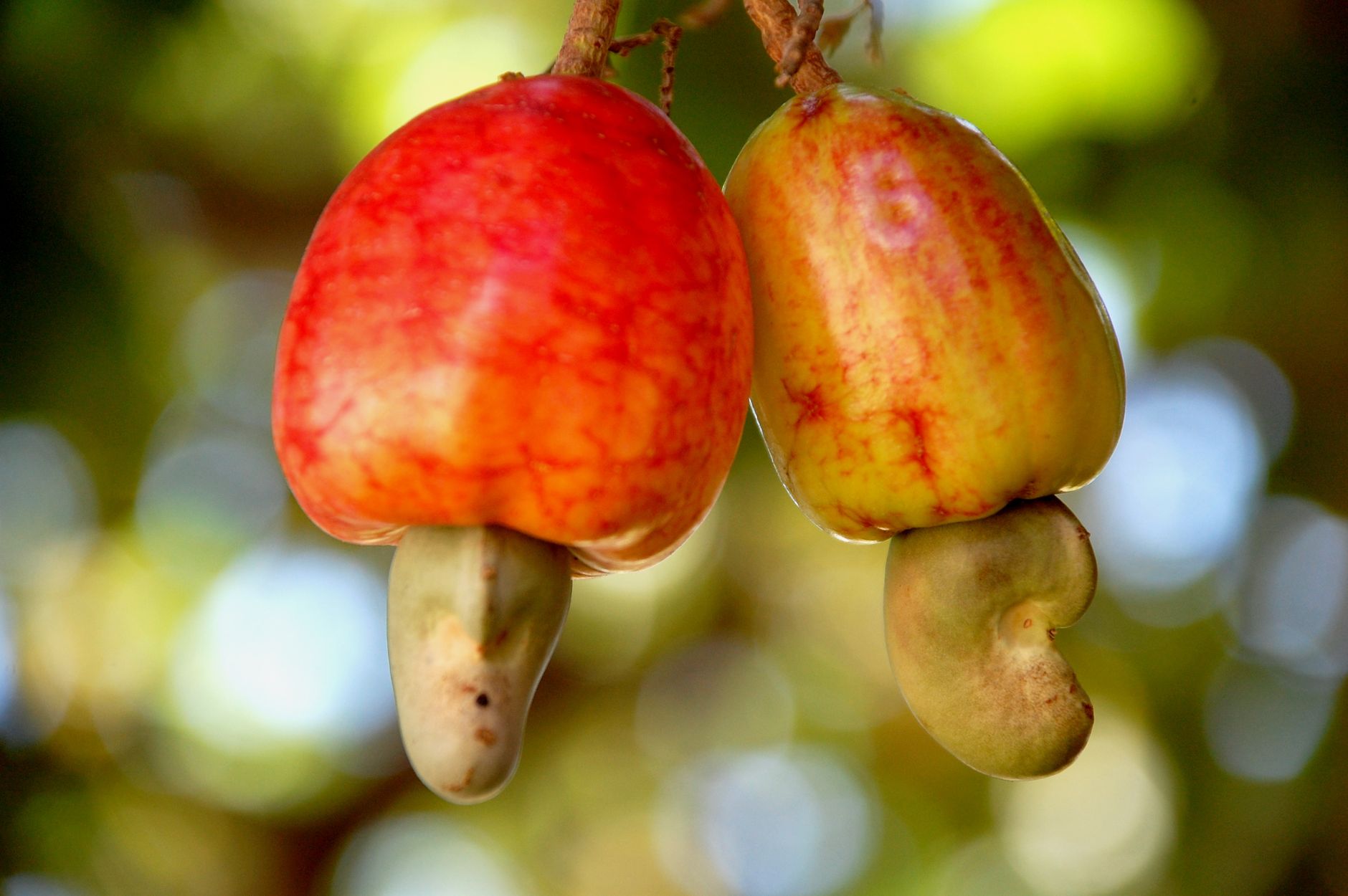
The cashew tree is known for its delectable nuts, but it also bears a fruit that is less understood. Many people wonder, “Can you eat cashew fruit?” despite its appeal. This article delves into the nature of the cashew fruit, its uses, and the safety concerns regarding its consumption.
While cashew nuts are widely enjoyed roasted, salted, or used in various culinary applications, the cashew fruit, often referred to as the drupaceous fruit, is less common in the grocery aisles. This discussion will clarify the nuances of cashew fruit, its flavor profile, potential toxicity, and how to incorporate it into your diet.
Poisonous Can You Eat Cashew Fruit?
The short answer is: yes, you can eat cashew fruit, but with caution. The fruit itself is not poisonous; however, the cashew apple contains a toxic substance known as urushiol if consumed improperly. This section will help clarify the details surrounding the safety of cashew fruit consumption.
Understanding the Cashew Tree and Its Fruit
The cashew tree (Anacardium occidentale) is native to Brazil but is now cultivated in various tropical regions around the world. This tree produces two main products that many people enjoy: the cashew nut and the cashew apple, which is the fruit.
The cashew apple is a fleshy, pear-shaped structure that sits atop the cashew nut. While cashew nuts are harvested from the tree’s seeds, the apple is often overlooked despite its unique flavor and culinary potential.
Characteristics of Cashew Fruit
The cashew apple is typically yellow or red, and it has a juicy, fibrous texture. It possesses a combination of sweet and tart flavors, somewhat resembling a mix of apples and pears. One can eat the raw fruit, but it is also used to make beverages, jams, and even desserts in various cultures.
Potential Toxicity: Urushiol
While the cashew apple is safe to eat, it’s essential to note that the shell of the cashew nut contains urushiol, which can cause allergic reactions in some individuals. This chemical is also found in poison ivy and poison oak.
Culinary Uses of Cashew Fruit
Cashew fruit is rich in vitamin C and provides a refreshing flavor. Here are some of the popular culinary uses for cashew apple:
- Juices and Drinks: Cashew fruit juice is popular in many tropical countries. The juice can be sweetened or mixed with other fruits to create a unique beverage.
- Jams and Jellies: The fibrous texture and sweet-tart flavor make cashew apple ideal for making jams, jellies, and chutneys.
- Fermentation: In some regions, cashew apples are fermented to produce alcoholic beverages like cashew wine.
- Salads: Fresh cashew apples can be added to salads for a crunchy texture and tart flavor.
- Cooking: Cashew fruit can also be cooked down in curries or used as a topping for various dishes.
How to Prepare Cashew Fruit for Consumption
To safely enjoy cashew apples, it is crucial to prepare them correctly. Here’s a step-by-step guide on how to handle and prepare cashew fruit:
- Selection: Choose ripe cashew apples that are firm and free from blemishes. A good cashew apple will be brightly colored and slightly soft to the touch.
- Washing: Rinse the fruit thoroughly under running water to remove any dirt or contaminants.
- Peeling: Remove the outer skin with a knife. The skin can be tough, so it’s important to cut gently to avoid bruising the fruit.
- Cutting: Cut the cashew apple into halves or quarters, depending on your recipe or preference.
- Removing the Pit: In some cases, you may need to remove the seed at the bottom, which is the cashew nut.
- Consumption: Enjoy the fruit raw or proceed with your chosen recipe.
Recipe: Cashew Fruit Juice
This refreshing cashew fruit juice accentuates the unique taste of the cashew apple. Perfect for a hot day, this juice can be a delightful way to experience cashew fruit.
Yield: 4 servings
Prep Time: 15 minutes
Total Time: 15 minutes
Ingredients
- 4 ripe cashew apples
- 2 tablespoons of sugar (adjust to taste)
- 1 cup of water
- Ice cubes (optional)
Essential Equipment
- Knife
- Blender
- Strainer or cheesecloth
- Pitcher
Method
- Start by washing the cashew apples thoroughly and peeling them.
- Cut the apples into quarters and remove the seed if desired.
- Add the cashew apple pieces, sugar, and water to the blender.
- Blend until smooth.
- Strain the mixture using a strainer or cheesecloth to remove any pulp.
- Serve the juice over ice if desired. Enjoy!
Cultural Significance of Cashew Fruit
Cashew fruit plays a crucial role in many cultures, particularly in regions where the cashew tree is native. In parts of Brazil and India, cashew apples are celebrated for their nutritional value and versatility.
Beyond gastronomy, the cashew apple is often used in local crafts, where the dried fruit serves as a base for traditional products. In certain cultures, festivals celebrate the harvesting of cashew fruit, highlighting their cultural and economic significance.
Health Benefits and Nutritional Profile
Cashew fruit is packed with vitamins and minerals. Here are some potential health benefits:
- Rich in Vitamin C: Cashew apples are high in vitamin C, promoting a healthy immune system.
- Aids Digestion: The dietary fiber in cashew fruit may support digestive health.
- Antioxidant Properties: The fruit contains antioxidants that may help reduce oxidative stress in the body.
While it’s important to enjoy cashew fruit in moderation, it can be a nutritious addition to a balanced diet.
Common Misconceptions About Cashew Fruit
Many misconceptions surround the consumption of cashew fruit. Here are a few clarifications:
- Misinformation about Toxicity: The cashew apple itself is not toxic, but proper handling of the nut is necessary due to urushiol.
- Rarity in Markets: In many regions, cashew fruit is underrepresented in supermarkets, yet it has a place in local cuisine.
- Confusing with Other Fruits: Cashew fruit is often confused with mango due to its appearance, but their flavors and textures differ considerably.
Storage and Preservation of Cashew Fruit
To extend the shelf life of cashew fruit, consider the following storage methods:
- Refrigeration: Store fresh cashew apples in the refrigerator for up to a week to retain freshness.
- Freezing: You can freeze pureed cashew fruit for later use in smoothies or desserts. Pour the puree into ice cube trays for easy portioning.
- Canning: If you are interested in long-term storage, consider canning cashew fruit in syrup, following proper canning methods to ensure safety.
Cooking and Recipe Tips
When it comes to incorporating cashew fruit into your cooking, keep these tips in mind:
- Pairing: Cashew fruit pairs well with tropical fruits, citrus, and herbs like mint or basil.
- Testing Ripeness: Ensure you select ripe cashew apples for the best flavor. Unripe fruit may be overly tart and less palatable.
- Cooking Time: When cooking with cashew apple, keep the cooking time short to maintain texture and nutrition.
Common Mistakes to Avoid When Preparing Cashew Fruit
Here are some common pitfalls to avoid when preparing and consuming cashew fruit:
- Ignoring Allergies: Always consider individual allergies, especially concerning urushiol in cashew nuts.
- Overcooking: Cooking cashew apple for too long can result in mushiness and loss of flavor.
- Using Unripe Fruit: Using unripe cashew apples can lead to overly sour dishes. Always ensure the fruit is ripe.
Conclusion
The cashew fruit is a remarkable, albeit lesser-known, component of the cashew tree. With its unique flavor and potential culinary uses, it certainly deserves a spot in your kitchen. Whether you enjoy it fresh, in juice form, or as part of a dish, cashew fruit offers a delightful experience for the palate.
As you explore the versatility of cashew fruit, consider looking into other related culinary delights. For further learning, check out the fascinating details about cashew nuts at Is Cashew a Nut?.