
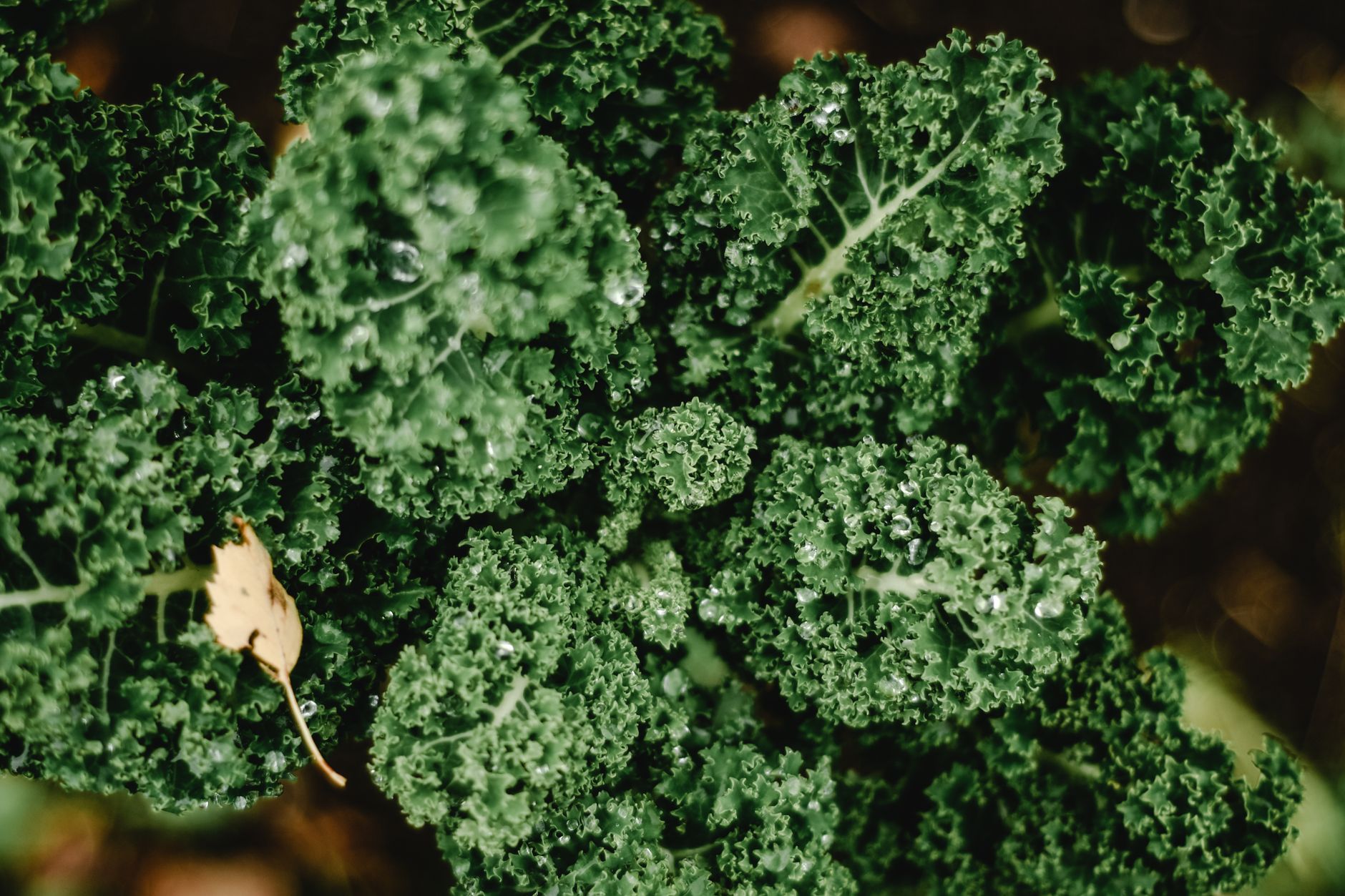
Kale has gained tremendous popularity as a health food over the past decade. Rich in essential vitamins and minerals, kale is often touted as a superfood. However, with this rising fame, questions have also arisen about whether kale can be bad for you. This article will delve into the nutritional aspects of kale, appropriate portions, and considerations for its consumption.
Understanding the potential downsides of kale will help you make informed decisions about incorporating this leafy green into your diet. As we explore the complexities of kale, you’ll be equipped with knowledge on how to enjoy it safely and nutritiously.
Is Kale Bad for You?
For most people, kale is not bad for you when consumed in moderation as part of a balanced diet. However, certain individuals may experience adverse effects from excessive intake. Nutritional content, including oxalates and goitrogens, can pose risks in specific scenarios. This section will explore these concerns and their relevance to your health.
Nutritional Profile of Kale
Kale is packed with nutritional benefits, making it one of the healthiest leafy greens available. Below is a breakdown of its essential nutrients.
- Vitamins: Kale is high in vitamins A, C, and K. Vitamin K is especially important for bone health and blood clotting.
- Minerals: It contains essential minerals like calcium, potassium, and magnesium, which support various bodily functions.
- Antioxidants: The high antioxidant content helps combat oxidative stress and may reduce inflammation.
- Fiber: Kale provides dietary fiber, aiding in digestion and promoting a healthy gut.
Portion Sizes and Dietary Recommendations
While kale is nutritious, moderation is key. Consume it as part of a varied diet. The recommended serving size of kale is about one cup of raw leaves or half a cup of cooked kale. Here are some practical insights on how to incorporate kale into your meals without overdoing it:
- Raw Salads: Consider mixing kale with other greens to avoid overwhelming your palate. A 50/50 ratio with spinach or romaine is a good balance.
- Cooking Methods: Steamed or sautéed kale reduces its fibrous texture, making it more palatable, while still retaining most nutrients.
- Green Smoothies: Incorporating a handful of kale into smoothies can add nutrients without overpowering the flavor.
Potential Downsides of Kale
Although kale is generally safe for consumption, there are some potential downsides to be aware of:
Oxalates and Kidney Stones
Kale contains oxalates, compounds that can bind to calcium and may contribute to kidney stone formation. For individuals prone to kidney stones, moderating kale intake is advisable. Cooking kale can reduce its oxalate levels significantly, making it a better option for those concerned about stones.
Goitrogens and Thyroid Function
Kale also contains goitrogens, substances that can inhibit thyroid function by interfering with iodine uptake. For individuals with pre-existing thyroid conditions or those who consume large amounts of raw kale, cooking may help mitigate this effect, as heat reduces goitrogen levels.
Interactions with Certain Medications
People taking blood thinners should approach kale consumption carefully due to its high vitamin K content, which can interfere with the medication’s effectiveness. Always consult a healthcare professional regarding dietary changes if you are on medication.
Common Questions About Kale
To further clarify concerns about kale, here are answers to some commonly asked questions:
Is kale safe for everyone to eat?
For most people, kale is safe and beneficial when consumed in moderation. However, those with specific health conditions or dietary concerns should consult their healthcare providers before making it a staple in their diets.
How can I reduce the oxalate content in kale?
Cooking kale—especially steaming or boiling—can significantly reduce its oxalate content. Discarding the cooking water also helps eliminate these compounds.
Can I eat kale every day?
Moderation is key. While you can enjoy kale daily, ensure that you vary your vegetables to benefit from a broad range of nutrients. Mixing leafy greens can keep your diet balanced.
Incorporating Kale into Your Diet
Here are some delicious and innovative ways to include kale in your meals while enjoying its nutritional benefits:
Salads
A kale salad can be a nutrient-dense choice. Try massaging the leaves with olive oil and lemon juice to soften them, then add chopped vegetables, nuts, seeds, and a light dressing for a filling meal.
Soups and Stews
Add chopped kale towards the end of cooking soups or stews. This way, it retains its vibrant color and nutrients while infusing the dish with its unique flavor.
Sautéed as a Side Dish
Sauté kale with garlic and olive oil for a quick side dish. Adding a squeeze of lemon juice and a pinch of salt balances its earthy taste well.
Green Smoothies and Juices
Combine kale with fruits like bananas or apples in smoothies to mask the flavor. The result is a refreshing, nutrient-packed drink that’s easy to consume.
Kale Chips
Making kale chips is an excellent way to enjoy this leafy green as a crispy snack. Simply toss with olive oil, season with salt, and bake until crispy.
Practical Tips for Buying and Storing Kale
When purchasing kale, consider the following tips for optimal freshness:
- Selecting Kale: Look for deep green leaves without yellowing or wilting. Fresh kale should feel crisp and have a vibrant color.
- Storing Kale: Store unwashed kale in a damp paper towel inside a plastic bag in the refrigerator. Properly stored, it can last up to a week.
- Washing Kale: Rinse the leaves under cold water to remove dirt and insects before use.
Conclusion
While kale is a nutritional powerhouse, it’s important to be aware of how much and in what forms you consume it. It is generally safe for most people, but those with specific health concerns should exercise caution and consult with professionals. Incorporating kale mindfully into a varied diet can provide substantial health benefits without negative side effects.
For more information on kale’s fiber content, visit this article. For broader insights on its safety and health aspects, check out this resource to further inform your vegetable choices.