
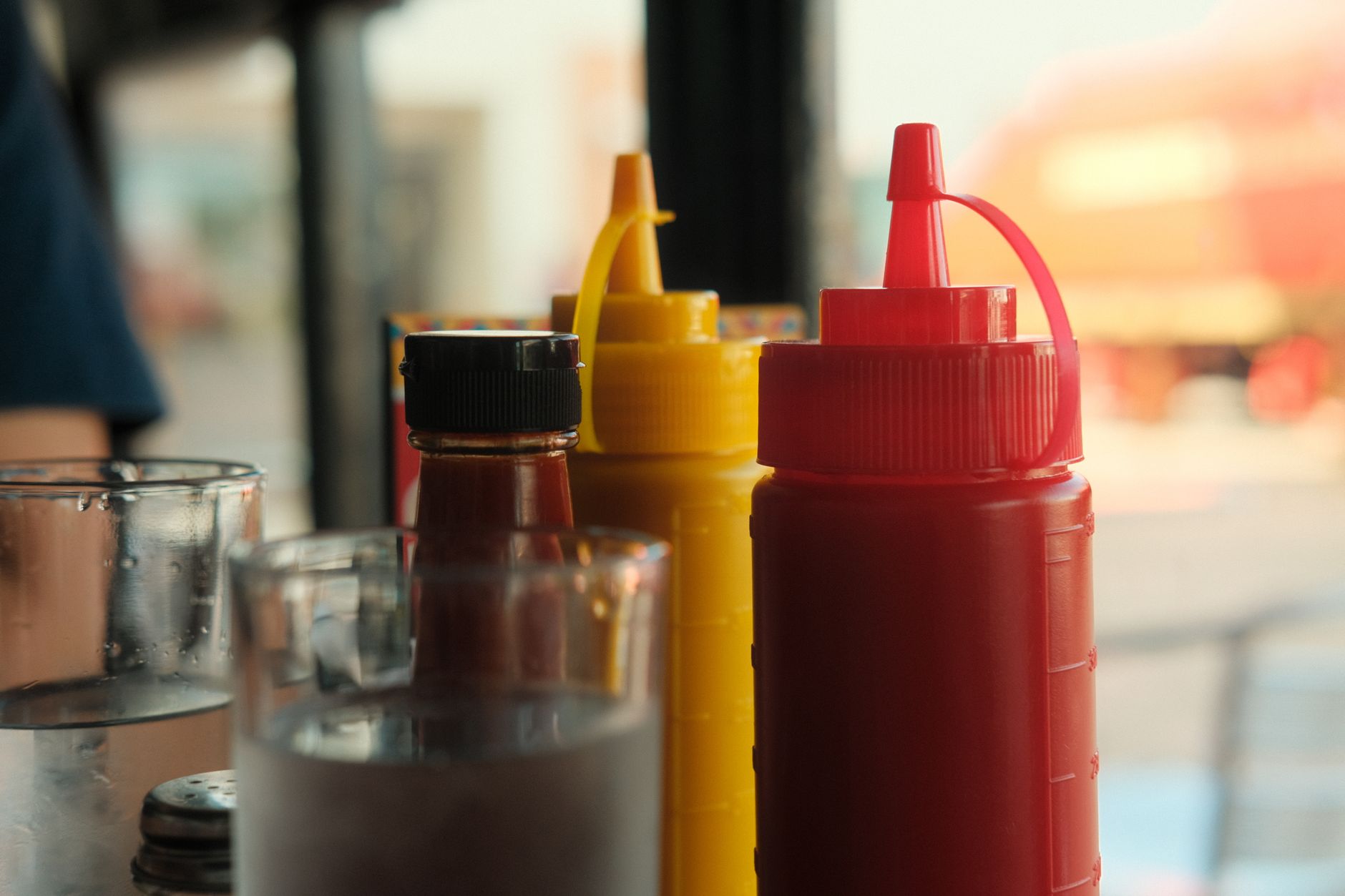
Ketchup is a staple condiment found in many households, often used to enhance the flavor of everything from burgers to fries. However, it’s natural to wonder about its shelf life and whether it can go bad. Understanding ketchup’s shelf life, storage, and spoilage signs is crucial for ensuring food safety and maintaining its prized flavor.
This comprehensive guide will explore the factors that determine whether ketchup goes bad, how long it lasts, the best ways to store it, and how to identify spoilage. By the end of this article, you’ll be well-equipped to handle your ketchup safely and effectively.
Can Ketchup Go Bad?
Yes, ketchup can go bad, though it has a relatively long shelf life due to its high acidity and preservative content. However, improper storage or extended exposure to air can lead to degradation in quality and flavor over time. It’s important to recognize signs of spoilage to ensure food safety.
Shelf Life of Ketchup
The shelf life of ketchup varies depending on whether it is unopened or opened, as well as the storage conditions. Here’s a breakdown:
Unopened Ketchup
When stored properly, unopened ketchup has a shelf life of up to two years. Manufacturers often print a “best by” or “use by” date on the bottle, which indicates the period during which the product is expected to maintain its best quality. However, ketchup can often last beyond this date if stored correctly.
Opened Ketchup
Once opened, ketchup generally lasts for around five months in the pantry and up to one year in the refrigerator. Refrigeration helps to preserve the flavor and quality of the condiment, extending its shelf life considerably.
Factors Affecting Ketchup Shelf Life
Several factors can influence how long ketchup will remain fresh:
- Storage Conditions: Keeping ketchup in a cool, dark place away from direct sunlight helps prevent spoilage.
- Exposure to Air: Once opened, exposure to air can lead to the oxidation of the ingredients, affecting flavor and freshness.
- Packaging: Glass bottles tend to protect ketchup from light and air better than plastic containers, potentially extending shelf life.
- Ingredients: Ketchup made with preservatives or additional ingredients may have a longer shelf life compared to homemade varieties.
Storage Recommendations
To maximize the shelf life of your ketchup, follow these storage guidelines:
Unopened Ketchup
- Store in a cool, dark place, such as a pantry or cupboard.
- Avoid exposure to heat sources, like stoves or ovens.
- Keep it away from direct sunlight, which can degrade the quality.
Opened Ketchup
- After opening, always seal the bottle tightly.
- Store in the refrigerator to maintain freshness and quality.
- Ensure the cap is clean and free of residue before resealing.
Signs of Spoilage in Ketchup
Recognizing when ketchup has gone bad is important for food safety. Here are some common signs to watch for:
Smell
Fresh ketchup has a tangy, slightly sweet aroma. If you notice a sour or off smell, it’s a strong indicator that the ketchup has spoiled.
Color and Texture
While ketchup is typically a vibrant red, a change in color, such as a dull brownish hue, can signal spoilage. Additionally, if you see any separation or visible mold, it’s best to discard the bottle.
Taste
If all other signs seem fine, but the ketchup has an unusual or off taste, do not consume it. Taste changes can indicate that it’s no longer safe to eat.
What to Do with Expired Ketchup
If you have ketchup that has passed its expiration date, don’t immediately toss it out. Assess its condition based on the signs of spoilage mentioned above. If it seems fine, it may still be safe to use. However, if you notice any signs of spoilage, it’s best to err on the side of caution and discard it.
Can Ketchup Be Frozen?
Yes, ketchup can be frozen, but there are considerations to keep in mind. Freezing can change the texture, potentially making it watery or grainy once thawed. However, the flavor remains largely intact. If you want to freeze ketchup, consider these steps:
- Transfer ketchup to an airtight container or freezer bag.
- Leave some room for expansion, as liquids can expand when frozen.
- Label the container with the date for easy tracking.
When you’re ready to use frozen ketchup, simply thaw it in the refrigerator or by placing the container in warm water. Stir well to restore the original consistency before use.
Ketchup Storage Tips
To make the most out of your ketchup, consider these practical storage tips:
- Keep ketchup in its original container to prevent contamination. If you transfer it to another jar, ensure it’s clean and airtight.
- Use a clean utensil when scooping out ketchup to avoid introducing bacteria.
- Regularly check the expiration date and monitor for any spoilage signs, especially if the bottle has been open for a while.
Common Misconceptions about Ketchup
There are several misconceptions surrounding ketchup and its shelf life:
Misperception: Ketchup Never Goes Bad
While ketchup is shelf-stable for a long period, it can go bad if not stored properly or consumed within the recommended time frame.
Misperception: It’s Always Safe to Use Ketchup After Expiration
Expiration dates are guidelines. Just because the ketchup is beyond its “best by” date doesn’t mean it’s unsafe if stored properly. Always check for signs of spoilage.
Alternative Uses for Expired Ketchup
If you have ketchup that’s past its prime but still seems usable, consider using it for purposes other than consumption:
- Marinade: Use it as a base for marinades or sauces in cooking.
- Cleaning Agent: Ketchup can help clean tarnished metal; the acidity helps remove discoloration.
- Fertilizer: Ketchup has nutrients that can benefit plants when diluted with water.
Conclusion
Ketchup is a beloved condiment with a long shelf life, but it can spoil if not stored properly. Understanding its shelf life, signs of spoilage, and effective storage methods can help ensure you enjoy your favorite ketchup safely. Remember to check for freshness before use, even if the product is still within its expiration date.
For more tips on food storage, check out our guides on how long chicken is good for in the fridge and how long cottage cheese lasts after opening.