
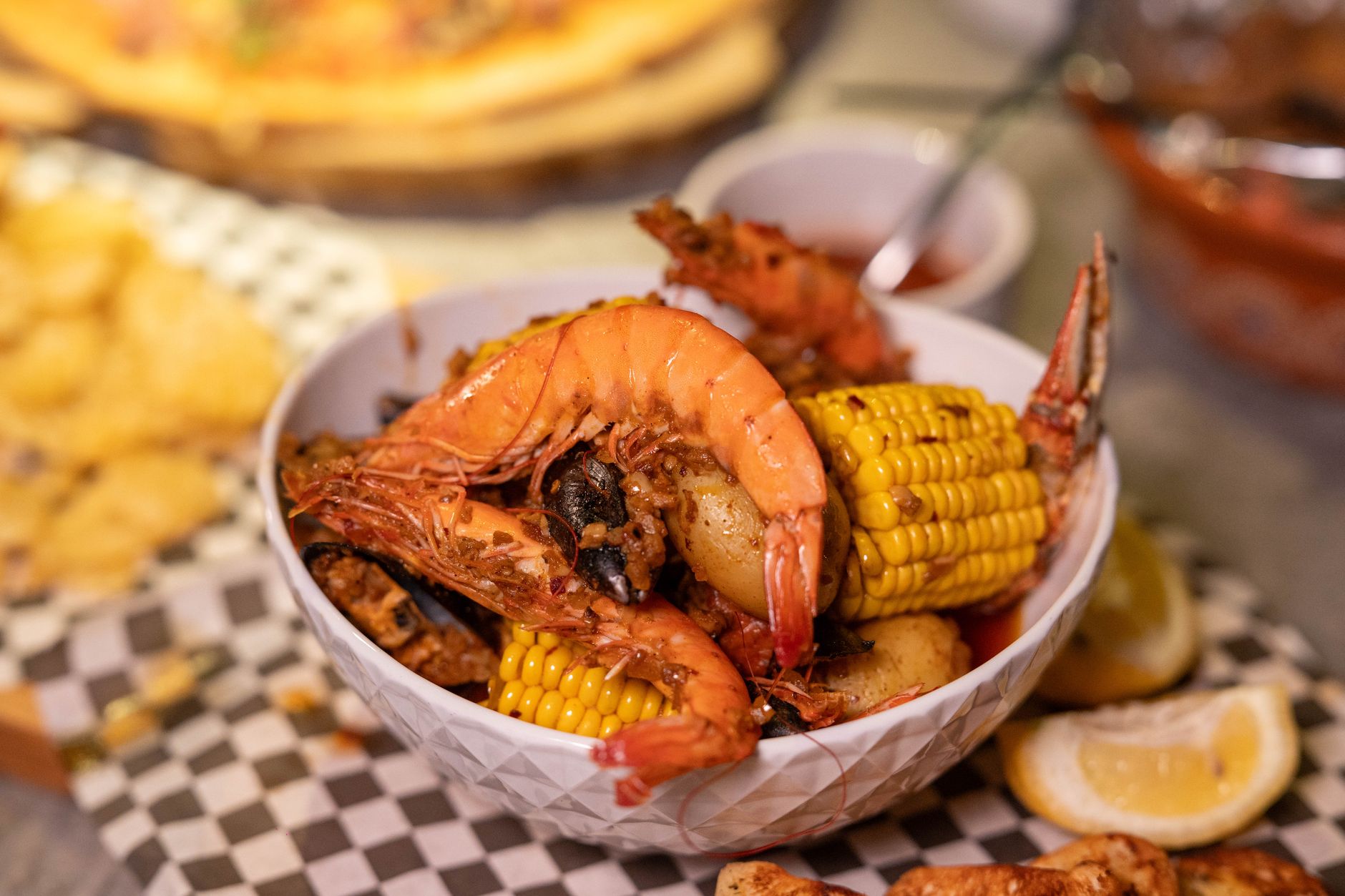
A seafood boil is a festive and flavorful dish that hails from the coastal areas of the United States, particularly the Gulf Coast. It combines various seafood, spices, and vegetables, creating a communal dining experience that’s perfect for gatherings. The dish is not only delicious but also highly customizable, allowing the cook to adjust the ingredients to suit personal tastes.
The beauty of a seafood boil lies in its vibrant flavors and textures, from the sweetness of shrimp and crabs to the hearty bite of potatoes and corn. In this guide, we will explore how to make a seafood boil, including the essential ingredients, step-by-step instructions, helpful tips, and common variations.
How Do You Make a Seafood Boil?
To make a seafood boil, gather a combination of seafood, vegetables, spices, and broth. Prepare the ingredients, then boil them together to infuse flavors before serving. A typical seafood boil includes shrimp, crab, corn, potatoes, and a kick of spices.
Ingredients for Your Seafood Boil
Here’s a list of the main ingredients you’ll need for a successful seafood boil:
- 2-3 pounds of large shrimp, shell-on
- 1-2 pounds of crab legs (blue crabs or king crabs)
- 2-3 pounds of other shellfish (such as mussels or clams)
- 3-4 ears of corn, cut into halves or thirds
- 1-2 pounds of small potatoes (Yukon gold or red)
- 1 large onion, quartered
- 4-6 cloves of garlic, smashed
- 1 lemon, quartered
- 1-2 tablespoons of Old Bay seasoning (or a similar seafood boil spice blend)
- Salt, to taste
- Water (enough to fill the pot)
Essential Equipment
For a successful seafood boil, you will need the following equipment:
- A large, heavy-duty pot (at least 5-6 quarts)
- A propane burner or a large stovetop
- A colander or strainer for rinsing
- Long tongs
- A serving platter or newspaper for serving
- Optional: a seafood mallet or shell cracker
Step-by-Step Instructions for Making a Seafood Boil
- Prepare Ingredients: Start by gathering and preparing all your ingredients. Cut the corn into halves or thirds, and wash the potatoes thoroughly. Rinse the shrimp and any other shellfish under cold water to remove sand and debris.
- Boil Water: In your large pot, fill it with water, enough to cover the ingredients. Add salt, Old Bay seasoning, the quartered onion, smashed garlic, and lemon. Bring to a rolling boil over high heat.
- Add Potatoes: Once the water is boiling, carefully add the potatoes. Cook them for about 10-15 minutes, or until they start to soften. This is key as the potatoes take longer to cook than the seafood.
- Add Corn: After the potatoes have cooked for about 15 minutes, add the corn. Cook for an additional 5-7 minutes. The corn should be bright yellow and tender.
- Add Seafood: Gently add the shrimp and crab legs to the pot. Stir carefully to combine, ensuring that everything is submerged in the boiling water. Cook for an additional 3-5 minutes, or until the shrimp are pink and opaque.
- Drain and Serve: Turn off the heat and carefully drain the contents of the pot using a colander. Some prefer to keep a bit of the broth for dipping later. Transfer the seafood boil to a serving platter or spread it across a table lined with newspaper for a casual feast.
Tips for a Successful Seafood Boil
Here are some practical tips to enhance your seafood boil experience:
- Choose Fresh Seafood: Fresh seafood will elevate the overall flavor of your dish. Visit local markets to find the best quality.
- Don’t Overcrowd the Pot: Keep in mind that too much seafood can lower the cooking temperature. You may need to do this in batches depending on the size of your pot.
- Timing is Key: Monitor cooking times closely to avoid overcooking the seafood, which can lead to a tough texture.
- Adjust Spice Levels: Customize the spice mixture to suit your taste. Feel free to add hot sauce or red pepper flakes for added heat.
- Serving Style: For a fun touch, consider serving the seafood boil on newspaper for a rustic, communal dining experience.
Common Mistakes to Avoid
When making a seafood boil, keep these common mistakes in mind:
- Overcooking Seafood: Pay close attention to cooking times; overcooked seafood becomes rubbery. Remove it promptly once it is cooked through.
- Ignoring Seasoning: Make sure to season the boiling water adequately; this is where a lot of the flavor comes from. Taste as you go!
- Not Prepping in Advance: Ensure all your ingredients are prepped and ready before starting to cook, as the process moves quickly.
Variations and Substitutions
A seafood boil can be easily customized to accommodate personal preferences or dietary restrictions. Here are some suggestions:
Seafood Variations
- Swap for Different Seafood: Substitute shrimp with lobster or scallops, or use mixed varieties of clams and mussels. Adjust cooking times accordingly.
- Incorporate Fish: Add pieces of firm fish like salmon or grouper for additional variety.
- Go for Vegetarian: Replace seafood with additional vegetables such as bell peppers, carrots, or zucchini for a vegetarian-friendly version.
Herbs and Spices
- Herb Enhancements: Adding fresh herbs like parsley, dill, or thyme during cooking or as a garnish can provide fresh flavors.
- Spicy Kick: For those who enjoy heat, consider adding sliced jalapeños or cayenne to the boil.
Storing and Reheating Leftovers
If you have leftovers from your seafood boil, it’s essential to store them properly to maintain freshness. Follow these guidelines:
- Storage: Place leftovers in an airtight container and refrigerate within two hours of cooking. They can last up to 2-3 days in the fridge.
- Reheating: To reheat, gently warm the seafood in a covered pot on low heat until heated through or microwave in short intervals with a cover to retain moisture.
Serving Suggestions
A seafood boil is best enjoyed in a rustic style, but here are a few serving suggestions to consider:
- Side Dishes: Pair your seafood boil with a side of coleslaw, crusty bread, or a simple garden salad to complement the flavors.
- Dipping Sauces: Offer a selection of dipping sauces such as melted butter, cocktail sauce, or a zesty seafood sauce to enhance the meal.
- Drinks: Refreshing beverages like iced tea, beer, or a tangy citrus drink make excellent accompaniments to a seafood boil.
Conclusion
Making a seafood boil is a fun and rewarding experience that brings people together to enjoy delicious food. With the right ingredients and a little preparation, this communal feast can be modified to suit any taste. Whether you follow traditional recipes or create your own variations, a seafood boil is sure to delight everyone around the table.
If you’re interested in exploring more seafood recipes or tasty sauces, check out our crawfish boil recipe and discover the flavors with our seafood boil sauce recipe.