
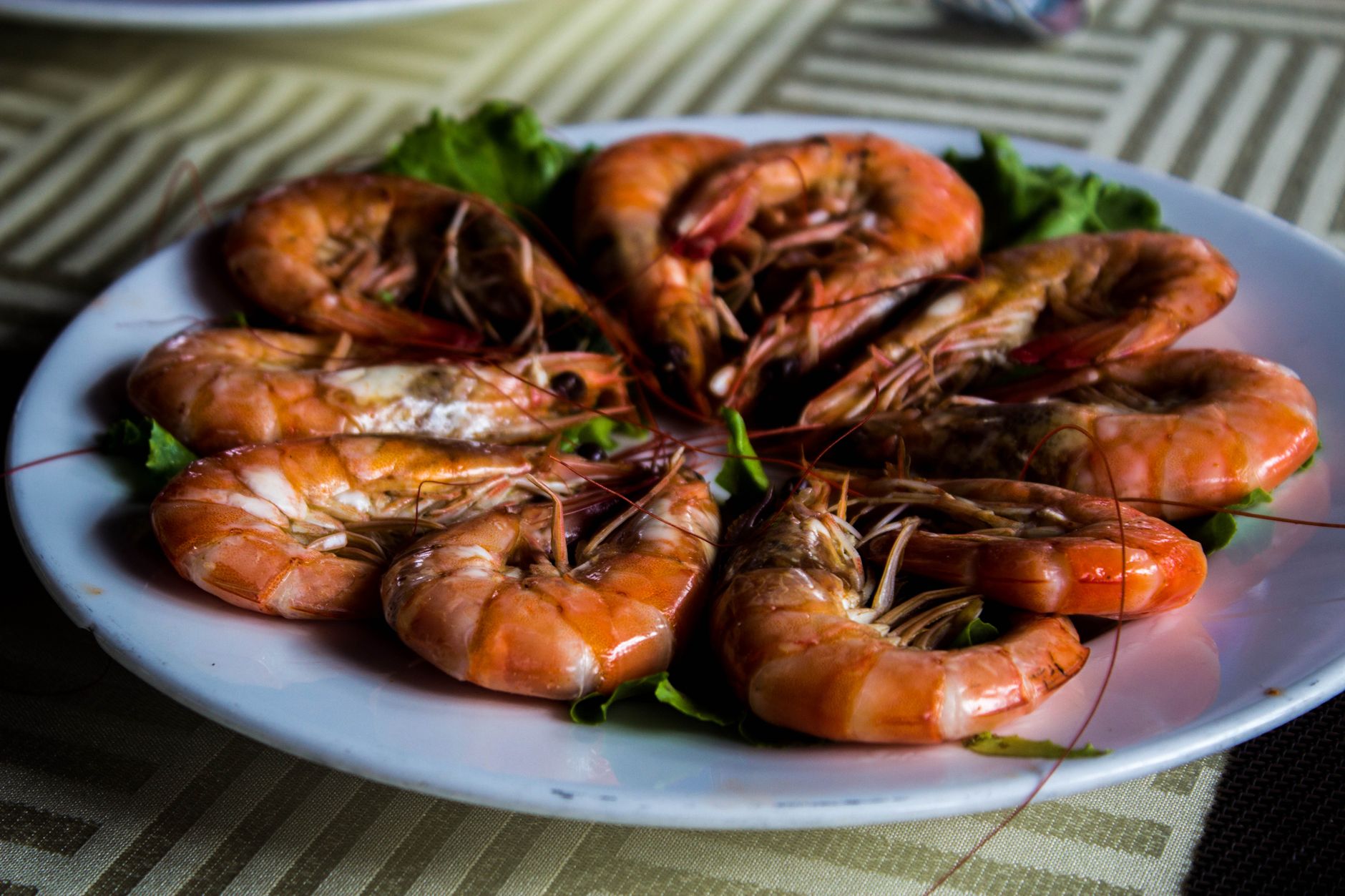
Pregnancy is an exciting time, but it comes with a lot of dietary considerations. One common question is whether it is safe to consume shrimp during pregnancy. Since seafood can be a valuable source of protein and nutrients, understanding the guidelines surrounding shrimp consumption is vital for maintaining both mother’s and baby’s health.
This article will delve into the safety of eating shrimp while pregnant, explore the health benefits shrimp may offer, and discuss preparation methods as well as dietary considerations. Let’s unravel the facts together!
Can You Have Shrimp While Pregnant?
Yes, you can have shrimp while pregnant, but it’s essential to ensure that it is cooked properly and sourced from safe environments. Shrimp can be a nutritious addition to your diet, providing necessary protein, omega-3 fatty acids, and essential vitamins and minerals.
Health Benefits of Eating Shrimp During Pregnancy
Incorporating shrimp into your pregnancy diet can offer numerous health benefits. Here are some reasons why shrimp might be a good choice:
- High in Protein: Shrimp is rich in protein, which is crucial for the growth and development of your baby. It’s low in calories yet provides a filling source of nutrition.
- Omega-3 Fatty Acids: These essential fats are vital for fetal brain development. Shrimp, particularly wild-caught varieties, can be an excellent source.
- Low in Mercury: Compared to many other fish, shrimp typically have lower mercury levels, making it safer for consumption during pregnancy.
- Vitamins and Minerals: Shrimp contains selenium, vitamin B12, iodine, and other important nutrients that support both maternal health and fetal development.
Choosing the Right Shrimp
To ensure safety, it’s important to select shrimp that is of high quality. Here’s how to choose the right shrimp:
- Wild-Caught vs. Farm-Raised: Wild-caught shrimp generally have a lower risk of contamination compared to farm-raised varieties, which may contain additives and higher levels of pollutants.
- Source: Purchase shrimp from reputable sources, preferably certified sustainable fisheries or local suppliers.
- Color and Smell: Fresh shrimp should be translucent with a mild, ocean-like scent. If it smells overly fishy or has a slimy texture, avoid it.
How to Prepare Shrimp Safely
Ensuring that shrimp is prepared properly is crucial for minimizing the risk of foodborne illness. Here are steps to safely prepare shrimp:
- Thawing: If using frozen shrimp, thaw them overnight in the refrigerator or under cold water. Do not thaw at room temperature.
- Cleaning: Rinse shrimp under cold running water and remove the shells and tails. Use a knife to devein if necessary.
- Cooking: Cook shrimp until they are pink and opaque. The internal temperature should reach 145°F (62.8°C). Avoid eating raw or undercooked shrimp.
- Avoiding Cross-Contamination: Use separate cutting boards and utensils for raw shrimp and other foods to reduce the risk of cross-contamination.
Common Mistakes to Avoid with Shrimp During Pregnancy
When preparing shrimp, some common mistakes can pose risks. Here’s what to watch for:
- Ignoring cooking temperatures: Ensure shrimp is cooked correctly by checking that they are no longer translucent and have turned pink.
- Consuming raw shrimp: Avoid sushi that contains raw shrimp, as the risk of bacterial infection significantly increases.
- Neglecting allergies: If you have a history of seafood allergies, consult your healthcare provider before consuming shrimp.
Meal Ideas Featuring Shrimp
Here are some delicious meal ideas that safely incorporate shrimp into your pregnancy diet:
1. Shrimp Tacos
These shrimp tacos are light, flavorful, and quick to prepare. They can be served with fresh veggies and topped with a tangy sauce for added zest.
2. Garlic Butter Shrimp
This dish features shrimp sautéed with garlic and butter, served over a bed of pasta or rice. Adding vegetables can enhance nutrition while offering a vibrant presentation.
3. Shrimp Stir-Fry
Making a shrimp stir-fry with a variety of colorful vegetables and a wholesome sauce creates a balanced meal. Serve with brown rice for added fiber.
4. Creamy Coconut Shrimp
This dish takes shrimp to the next level with a creamy coconut sauce, which pairs well with rice and fresh herbs. Perfect for a tropical twist on your dinner!
5. Shrimp Egg Rolls
Shrimp can be a delightful filling for egg rolls, baked or fried, and served with a savory dipping sauce. They are great as appetizers or part of a meal.
What to Limit When Consuming Shrimp
While shrimp offers several health benefits, moderation is key. Here are some recommendations for what to limit:
- Frequency: Aim for 2-3 servings of shrimp per week. This allows you to enjoy its benefits while avoiding excessive exposure to potential pollutants.
- Preparation Methods: Deep-frying shrimp can add unnecessary calories and unhealthy fats. Opt for healthier cooking methods such as grilling, steaming, or baking.
- Accompaniments: Be cautious about rich sauces and dressings that may accompany shrimp dishes, as they can add extra calories and sodium.
Seafood Safety Guidelines
Understanding general seafood safety guidelines is essential for pregnant women. The following tips can help:
- Limit High-Mercury Fish: Avoid fish known for high mercury levels, such as shark, swordfish, and king mackerel. Shrimp is typically low in mercury but be cautious with other seafood.
- Keep Seafood Refrigerated: Store shrimp in the fridge and consume it within one to two days of purchase. For longer storage, freeze it.
- Check Local Advisories: If consuming locally caught seafood, check state advisories for fish consumption recommendations.
Consulting with Your Healthcare Provider
Always consult with your healthcare provider about your dietary choices during pregnancy. They may provide personalized recommendations based on your health history and dietary needs.
Additionally, they can help you understand safe sources of shrimp and seafood to incorporate into your diet effectively.
Conclusion
Incorporating shrimp into your diet during pregnancy can be safe and beneficial when done thoughtfully. The key lies in cooking shrimp properly, sourcing high-quality products, and balancing your consumption with other proteins and nutrients. By making informed choices, you and your baby can reap the benefits of this delicious seafood.
For a tasty recipe, check out our Creamy Coconut Shrimp Recipe or try the Shrimp Egg Roll Recipe for an exciting meal option. Explore these culinary delights to keep your pregnancy nutrition varied and satisfying!