
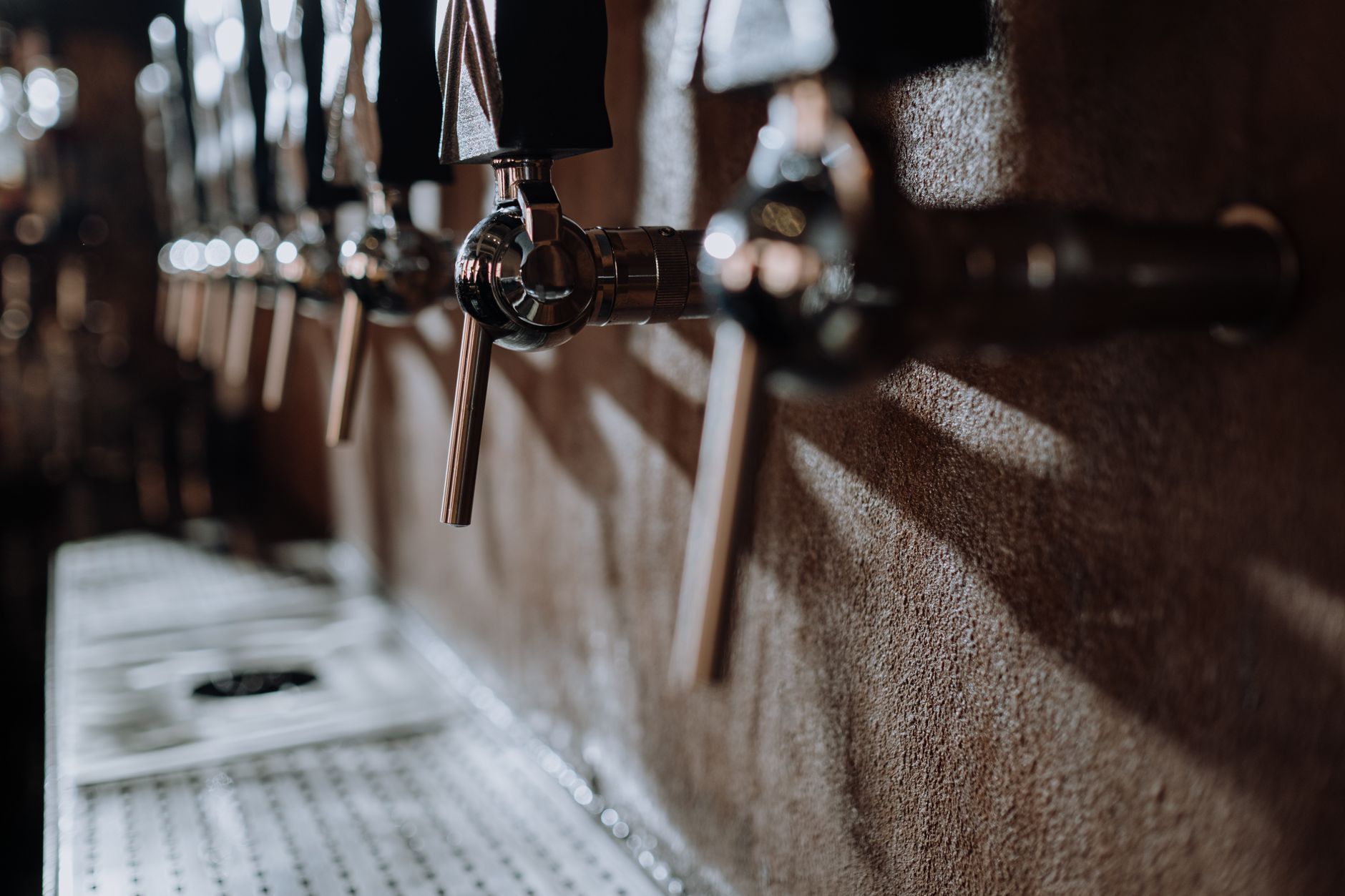
Taprooms are essential establishments in the realm of craft beer, offering enthusiasts a chance to sample a variety of brews directly from the source. These unique spots often double as social hubs where people can immerse themselves in local culture, enjoying great flavors and the stories behind each beer.
Understanding what a taproom is requires exploring its ingredients, flavor offerings, and serving techniques. This article delves into the essence of taprooms, giving you a well-rounded view of what makes them special and how to appreciate them fully.
What Is a Taproom?
A taproom is a dedicated space, typically associated with a brewery, where patrons can taste and enjoy various beers offered on tap. Unlike traditional bars, taprooms focus on serving craft beer, providing an opportunity for breweries to showcase their unique styles and seasonal offerings.
Most taprooms provide a relaxed atmosphere, encouraging conversation and exploration of different beer styles. They usually feature a range of house-made beers, guest taps, and occasionally, food options that pair well with their brews.
Ingredients of What Makes a Taproom
The essence of any taproom revolves around the selection of beers it offers. Each establishment typically has its own set of ingredients and brewing methods that shape its distinct character.
Key Ingredients in Craft Beer
Understanding the basic ingredients of beer will help you appreciate what taprooms have to offer:
- Water: The primary component of beer. Its mineral content affects taste.
- Malt: Provides the sugars necessary for fermentation and contributes flavors ranging from sweet to toasty.
- Hops: These add bitterness, flavor, and aroma, acting as a natural preservative.
- Yeast: Responsible for fermentation; different strains impart unique flavors.
Each ingredient interacts in complex ways, allowing for a diverse tapestry of flavors that can be explored through tasting flights in a taproom.
Exploring Beer Styles in a Taproom
Taprooms often have a rotating selection of beers categorized into several distinct styles. Here’s a closer look at some popular styles you might encounter:
Ales
Ales generally ferment at warmer temperatures and are characterized by their fruity and complex flavors. They include:
- Pale Ale: A balanced beer with a hoppy aroma and a slight malt sweetness.
- Stout: Dark and rich with flavors of coffee and chocolate.
- IPA (India Pale Ale): Intensely hoppy with various fruit and floral notes.
Lagers
Lagers are fermented at cooler temperatures and generally have a cleaner, crisper taste. Examples include:
- Pilsner: A refreshing beer known for its light body and moderate bitterness.
- Helles: A malt-forward lager with a smooth character.
Seasonal and Specialty Brews
Many taprooms also offer seasonal or limited-edition beers, often utilizing local ingredients or unique brewing methods. These can include fruit-infused ales or spiced winter stouts.
Flavor Profile in Taprooms
When visiting a taproom, understanding the flavor profiles of different beers can enhance your tasting experience. Here are key components of flavor to consider:
Bitterness
Measured in International Bitterness Units (IBU), bitterness is primarily derived from hops. A higher IBU indicates a more bitter beer.
Sourness
Sour beers, often produced through wild fermentation methods, can be delightful surprises. Look for terms like Berliner Weisse or Gose.
Sweetness
Some beers may have a residual sweetness, particularly those with higher malt content. This can balance out bitterness, especially in certain ales.
Aroma
Much of what we perceive as flavor comes from aroma. Pay attention to the smell of your beer before sipping; it can reveal much about its ingredients.
How to Serve Beer from a Taproom
When enjoying beer at a taproom, there’s a recommended way to serve it to enhance the experience:
- Glassware: Use appropriate glassware for the beer style. For example, IPAs shine in tulip glasses that concentrate aroma, while stouts are best in pint glasses.
- Temperature: Serve beers at optimal temperatures—lagers colder than ales, which may benefit from a slightly warmer serving.
- Pours: A proper pour should create a 1-inch head to release aromas and flavor. Tilt the glass at a 45-degree angle while pouring the initial half, then straighten for the second half.
Visiting a Taproom: Tasting and Pairing
Maximizing your taproom visit includes knowing how to sample and pair your beer. Here’s how to do it effectively:
Tasting Flights
Many taprooms offer tasting flights, which allow you to sample several beers for comparison. When choosing your flight:
- Mix styles to explore the diversity.
- Consider pairing with food options if available.
- Ask staff for recommendations based on your preferences.
Food Pairing Suggestions
Understanding how food and beer complement each other can enhance your experience:
- IPAs: Pair well with spicy foods, as the bitterness can cut through heat.
- Stouts: Excellent with chocolate desserts or rich, fatty meats.
- Ales: Commonly paired with grilled meats and savory dishes.
Common Mistakes to Avoid in a Taproom
While visiting a taproom can be a delightful experience, there are common pitfalls to avoid:
- Not Asking Questions: Staff are usually knowledgeable; don’t hesitate to inquire about flavors or recommendations.
- Ordering Only What You Know: Be adventurous! Trying new styles can lead to wonderful discoveries.
- Ignoring Pour Sizes: Understand serving sizes when ordering, especially in a large group.
Make-ahead and Storage Tips for Home Beer Enjoyment
If you enjoy craft beer at home, consider these tips for storage and serving:
- Temperature: Store beer in a cool, dark place. Lagers perform best chilled, while many ales can be slightly warmer.
- Glassware: Invest in appropriate glassware, as presentation affects your tasting experience.
- Freshness: Consume craft beers, particularly hoppy varieties like IPAs, fresh to enjoy their full flavor profile.
Conclusion
A taproom is more than just a place to grab a beer; it’s a cultural experience where ingredients, craftsmanship, and community intersect. By understanding the elements that define taprooms, from the ingredients to the flavors and serving techniques, you can appreciate these venues to their fullest extent. Your next visit is an opportunity to explore new tastes, share with friends, and engage with the art of craft brewing.
For more insights on beer styles, check out our guides on what is a Pilsner or discover the flavors of Chihuahua cheese. Explore related recipes and cooking tips on our site!