
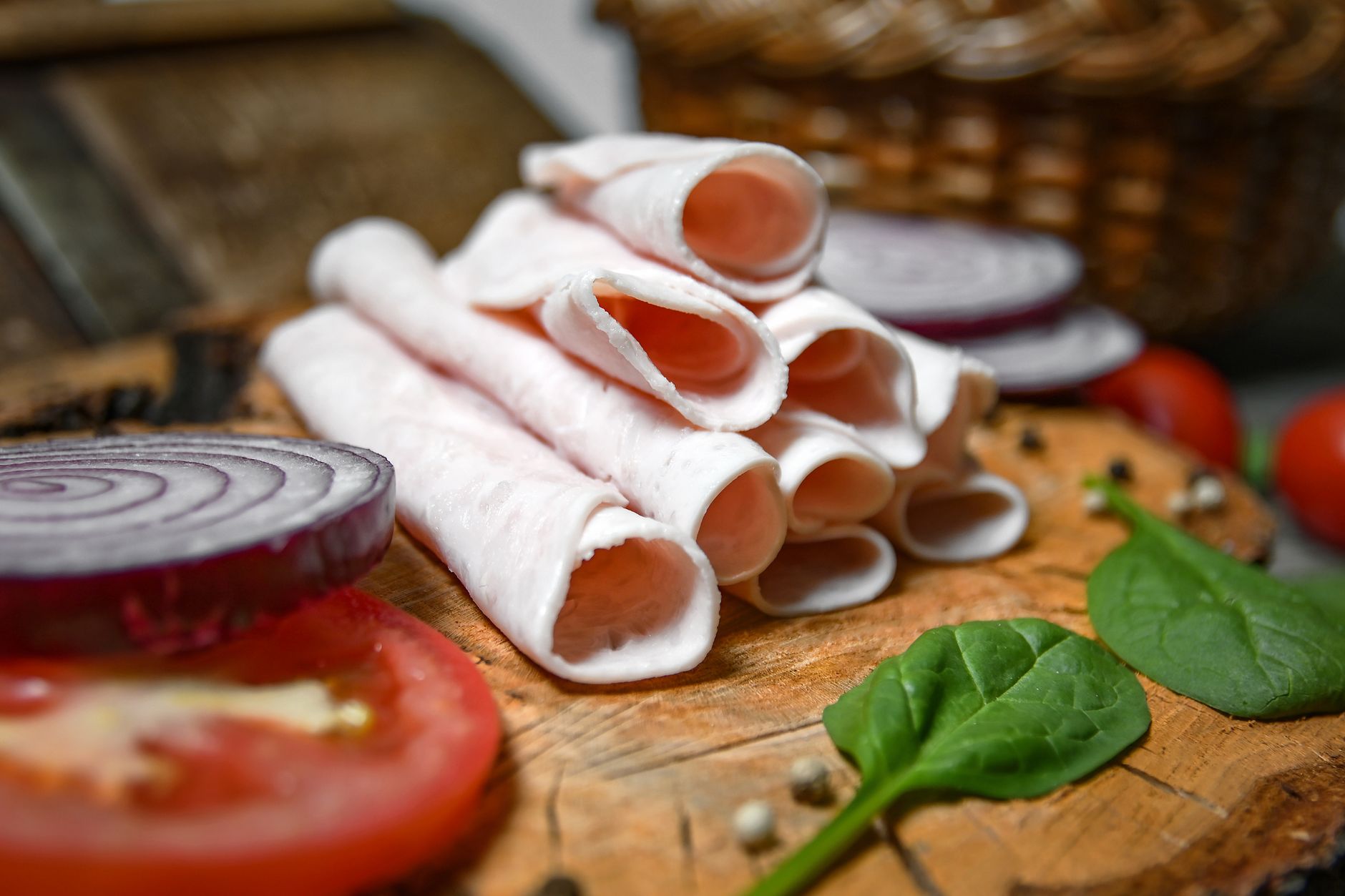
Turkey ham is a popular alternative to traditional pork ham, made primarily from turkey meat and typically seasoned to mimic the flavor and texture of pork. It offers a lower fat content and fewer calories, making it a preferred choice for health-conscious consumers.
In addition to its flavor profile, turkey ham can be enjoyed in various dishes, adding versatility to meals. This article will delve into the ingredients, flavor, nutritional aspects, and serving suggestions of turkey ham.
What Is Turkey Ham?
Turkey ham is a processed meat product made from turkey breast or thigh meat that has been deboned, cured, and often smoked or flavored. While it aims to replicate the tastes of traditional ham, turkey ham utilizes various seasonings and curing methods to create its unique flavor. It is widely available in deli slices or as whole cooked and packaged products.
Ingredients of Turkey Ham
The primary ingredient in turkey ham is, of course, turkey. The meat is then typically combined with the following ingredients:
- Curing Agents: Salt, sodium nitrite, and sometimes sugar are often used to enhance flavor, color, and preservation.
- Flavorings: To mimic the taste of pork ham, various spices and seasonings such as smoke flavor, pepper, and garlic powder may be added.
- Other Additives: Starches or binders like modified food starch or carrageenan may be used to improve texture and sliceability.
Types of Turkey Ham
Turkey ham can be found in a few different forms, offering variety in choice and preparation:
- Fully Cooked Turkey Ham: This type is pre-cooked and just needs to be heated before serving. It is convenient for quick meals.
- Smoked Turkey Ham: This version combines traditional ham flavors with a smoky finish, giving it depth and richness.
- Honey-Glazed Turkey Ham: This sweeter variety incorporates honey or brown sugar for a delightful glaze.
- Deli-Style Turkey Ham: Often found in deli sections, these slices are perfect for sandwiches and wraps.
Flavor Profile of Turkey Ham
The flavor of turkey ham can vary widely depending on the seasonings and preparation methods used. Generally, it is characterized by:
- Salty and Savory: The curing process contributes a savory, salty element that is essential to ham.
- Smoky Undertones: If smoked, turkey ham acquires deep, smoky notes that add complexity.
- Herbaceous Notes: Seasonings like rosemary, thyme, or sage can introduce aromatic qualities to the meat.
While turkey ham aims to replicate the taste of traditional ham, variations in flavor depending on the specific product can occur.
How to Serve Turkey Ham
Turkey ham is incredibly versatile and can be incorporated into various meals and snacks. Here are some practical serving suggestions:
1. Sandwiches and Wraps
One of the most popular uses for turkey ham is in sandwiches or wraps. Pair it with lettuce, tomato, mayonnaise, or mustard for a hearty lunch option.
2. Breakfast Dishes
Turkey ham slices can replace regular ham in breakfast dishes. Consider adding them to omelets or frittatas, or chop them up for a breakfast hash.
3. Salads
Utilize turkey ham in salads for added protein. It pairs well with greens, cheese, and a variety of dressings, contributing both flavor and texture.
4. Casseroles and Pasta
Incorporate turkey ham into casseroles or pasta dishes for a filling meal. It works well in creamy pasta dishes or mixed into rice casseroles.
5. Snacks and Charcuterie Boards
Turkey ham slices can also be served as a quick snack. Arrange them on a charcuterie board alongside cheeses, fruits, and crackers for a delightful appetizer.
Cooking and Preparation Techniques
Pre-cooked turkey ham requires minimal preparation, but if you’re looking to prepare it as part of a meal, here are some suggested methods:
1. Heating Up
For pre-cooked turkey ham, the most common preparation method is to heat it in the oven or microwave:
- Oven: Preheat your oven to 325°F (163°C). Place the whole turkey ham in a baking dish, cover it with foil, and heat for approximately 15 minutes per pound, or until it reaches an internal temperature of 140°F (60°C).
- Microwave: Place slices in a microwave-safe dish, cover with a microwave-safe lid, and heat on medium power for 1-2 minutes until warm.
2. Sautéing or Grilling
For a flavorful touch, sauté or grill sliced turkey ham in a little bit of oil or butter. This method enhances the flavor and gives it a nice texture:
- Heat a skillet over medium heat and add a small amount of oil or butter.
- Add the turkey ham slices and sauté for 2-3 minutes on each side until golden and heated through.
3. Baking
Baking turkey ham with a glaze can enhance its flavor:
- Preheat your oven to 350°F (175°C).
- Prepare a glaze of brown sugar and honey, or your preference.
- Brush the glaze over the turkey ham and bake for approximately 20-30 minutes, basting occasionally.
Practical Substitutions for Turkey Ham
If turkey ham is unavailable or if you’re looking for alternatives, consider these substitutes:
- Chicken Ham: Made in a similar fashion from chicken, it can provide a comparable texture and flavor.
- Turkey Bacon: Although different in texture, turkey bacon offers a similar taste if it’s cooked properly and used as a topping or in sandwiches.
- Vegetarian Ham Alternatives: Products like tempeh or seitan can be seasoned and sliced to mimic turkey ham for plant-based meals.
Common Mistakes and Troubleshooting
When preparing turkey ham, a few common pitfalls can occur:
- Overcooking: Since many turkey hams are pre-cooked, ensure to heat them just until warm. Overcooking can dry out the meat.
- Not Enough Flavor: If the turkey ham seems bland, consider using vibrant seasonings in the cooking process or adding glazes.
Storage and Reheating Guidelines
To maximize the shelf life of turkey ham and ensure food safety, follow these guidelines:
Storage
- Unopened turkey ham can be stored in the refrigerator for up to two weeks or in the freezer for 6-8 months.
- After opening, consume refrigerated turkey ham within 3-5 days for optimal freshness.
- Always store turkey ham in an airtight container or tightly wrapped to prevent contamination.
Reheating
When reheating, ensure the internal temperature reaches 165°F (74°C) before serving. Use a food thermometer to check.
Nutritional Aspects of Turkey Ham
Turkey ham generally offers lower calories and fat than pork ham, making it a healthier choice for many diets. However, nutritional content can vary by brand and recipe. Common nutritional highlights include:
- Lower saturated fat content compared to pork ham.
- High in protein, aiding muscle health.
- Contains essential nutrients like niacin, phosphorus, and vitamin B6.
Always check packaging for specific nutritional information, especially for sodium content, which can be higher due to the curing process.
Final Thoughts
Turkey ham can be a delightful addition to various meals, providing a flavorful yet healthier alternative to traditional pork ham. With its versatility, it can easily be integrated into breakfast, lunch, or dinner.
Next time you’re considering protein options, give turkey ham a try and explore the culinary possibilities it offers.
For more cooking inspiration, consider checking out our recipes for homemade turkey broth at Turkey Broth Recipe and turkey sausage at Turkey Sausage Recipe.