
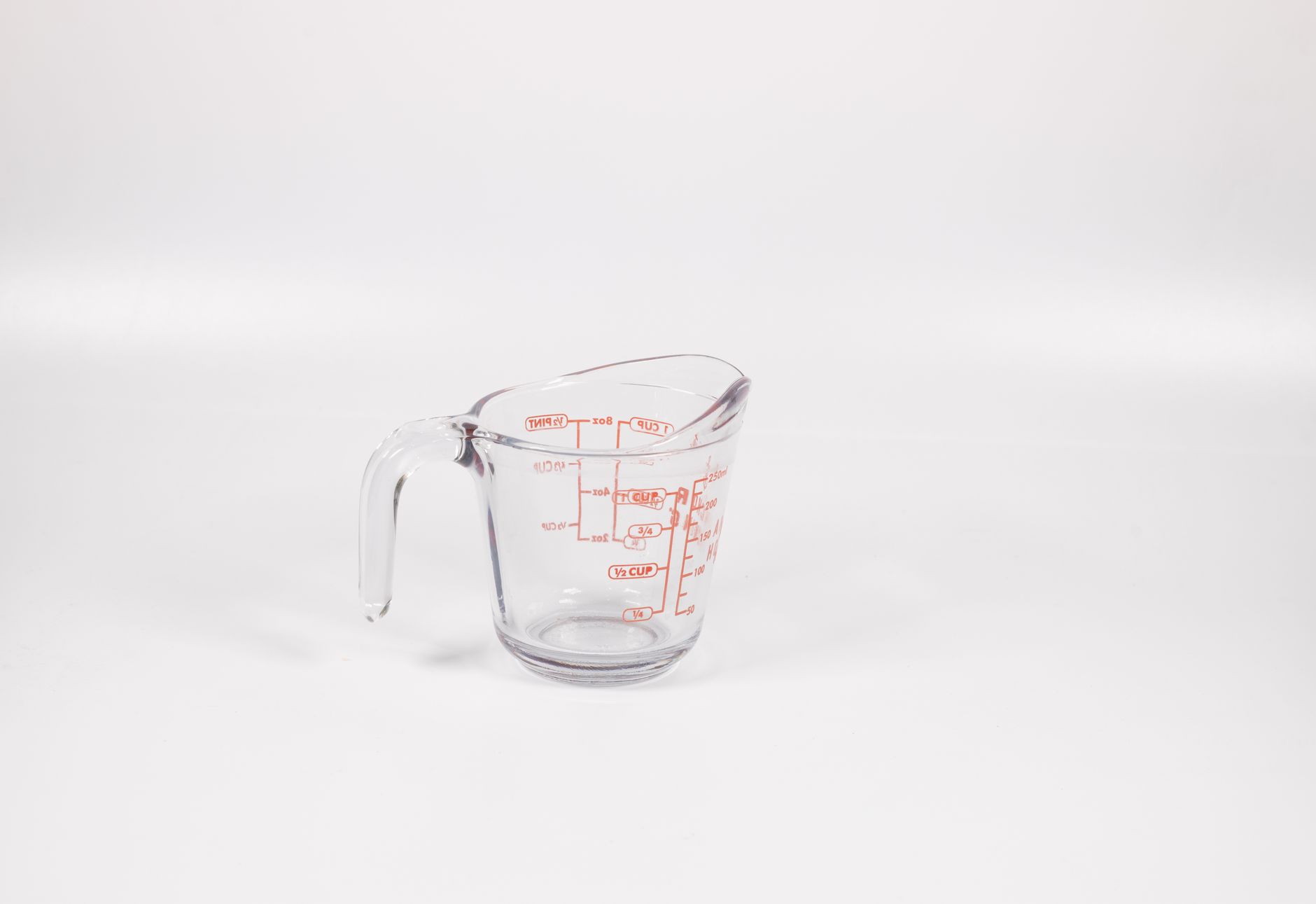
Understanding measurements in cooking is essential for preparing delicious meals. One common question that arises is how to add fractions, specifically what is 2/3 plus 2/3 in cooking. Knowing how to perform this calculation helps ensure that you measure ingredients accurately, which directly impacts the flavor and texture of your dishes.
In this article, we will explore the concept of 2/3 plus 2/3, its relevance in cooking, and why accurate measurements matter. We’ll delve into practical applications, useful cooking tips, and helpful measurement conversions to enhance your culinary skills.
What Is 2/3 Plus 2/3 in Cooking?
When you add 2/3 plus 2/3, you get 4/3, which can also be expressed as 1 and 1/3 (1.33). This means that if a recipe calls for 2/3 of a cup of an ingredient and you want to double that amount, you need to measure out 1 and 1/3 cups. Accurate measurements are crucial because they ensure that your recipe turns out as intended in terms of flavor, texture, and overall success.
Why Accurate Measurements Matter in Cooking
Precision in measuring ingredients can affect the outcome of your dishes significantly. Whether baking bread or making a sauce, the right proportions matter. Here’s why it’s essential:
- Flavor: Ingredients work together in specific ratios to develop the intended flavor profile. Too much or too little of one ingredient can alter the dish entirely.
- Texture: Baking often relies on precise measurements. For example, too much flour can lead to dry cookies, while too little can result in a collapsed cake.
- Consistency: If you frequently make dishes, consistent measurements will help you reproduce your favorites reliably.
Common Measurement Conversions
Understanding how to convert measurements can be particularly useful in the kitchen. Here are some common conversions you might need:
- 1 cup = 16 tablespoons
- 1/2 cup = 8 tablespoons
- 1/3 cup = 5 tablespoons plus 1 teaspoon
- 1/4 cup = 4 tablespoons
Knowing how to convert between fractions can also help when you are scaling up or down recipes.
Practical Applications of 2/3 Plus 2/3 in Recipes
When applying the concept of 2/3 plus 2/3 in recipes, it’s helpful to consider some common scenarios where this calculation comes into play. Here are a few examples:
Doubling a Recipe
When doubling a recipe, you often need to add 2/3 plus 2/3 for ingredients called for in fractions. For instance, if a recipe for pancakes requires 2/3 cup of milk, and you wish to double it for a larger batch, you will need 1 and 1/3 cups of milk.
Creating Multiple Serving Sizes
If you’re preparing a dish for different serving sizes, using the fraction can help adjust the quantities accurately. For instance, if you have a recipe that serves four with 2/3 cup of rice per serving, and you want to prepare enough for eight servings, you will require 1 and 1/3 cups of rice for each serving.
Working with Ingredients in Bulk
When buying ingredients in bulk, knowing how to calculate measurements allows you to divide portions accurately. For example, purchasing 4 cups of flour and determining how much you need for various recipes can involve using your understanding of fractions.
Measuring Techniques in the Kitchen
Accurate measuring is about more than just mathematical calculations. It involves proper techniques when using measuring cups and spoons. Here are some best practices:
Using Dry Measuring Cups
For dry ingredients such as flour or sugar, use dry measuring cups. Here’s how:
- Fill the measuring cup slightly over the top with the ingredient.
- Use a straight edge, such as a knife, to level it off. This gives you an accurate measurement.
Using Liquid Measuring Cups
When measuring liquids, use a clear liquid measuring cup with markings. Follow these steps:
- Pour the liquid into the cup.
- Bend down to eye level to ensure the liquid meets the correct measurement marker. The surface should be even with the line for accuracy.
Ingredients Commonly Measured in 2/3 Cups
Many recipes call for 2/3 cups of various ingredients. Here are some common items:
- Brown Sugar: 2/3 cup of packed brown sugar adds sweetness and moisture to baked goods.
- Granulated Sugar: Ideal for cookies, cakes, and many desserts.
- Rice: Measuring 2/3 cup is common for family-sized portions in side dishes.
- Milk: Used in various recipes, from pancakes to sauces.
Common Mistakes in Measuring
To achieve success in cooking, it’s crucial to be aware of common measuring mistakes:
- Packing Ingredients: While some ingredients like brown sugar should be packed, others like flour should not; otherwise, you may end up with too much.
- Using the Wrong Tools: Always select the right measuring tools (dry or liquid) to ensure accuracy.
- Forgetfulness: When scaling a recipe, ensure every ingredient is doubled or adjusted accordingly.
Calculating Ingredient Amounts for Meal Prep
Meal prep can save time and encourage healthier eating habits. Knowing how to efficiently scale ingredient amounts using measures like 2/3 plus 2/3 helps in planning and preparing meals. Here’s how to do it:
Example: Planning for a Week
Suppose you want to prepare five meals for the week, each requiring 2/3 cup of quinoa. Instead of measuring each time:
- Calculate the total amount needed for the week: 2/3 cup x 5 servings = 10/3 cups, which equals 3 and 1/3 cups.
- Measure out 3 and 1/3 cups at once, making your meal prep more efficient.
Example: Scaling Up Recipes
When modifying recipes for larger groups or gatherings, simply multiply the 2/3 measurements by the number of servings:
- If a recipe for a casserole serving 4 uses 2/3 cup of cheese, and you want to feed 12, you will calculate 2/3 x 3 = 2 cups of cheese.
Practical Cooking and Serving Tips
Understanding measurements also helps when presenting your meals. Here are some tips for serving portions:
- Visual Serving Sizes: Familiarize yourself with what various cup sizes look like in a dish to help with estimating servings visually.
- Use Small Bowls and Plates: When plating, smaller dishes can help control portion sizes and provide a pleasing aesthetic.
- Leftovers Storage: Always label and date your storage containers, especially if you prepare meals in bulk.
Storage and Reheating Guidelines
For dishes made in advance using the correct measurements, proper storage and reheating are paramount:
Refrigeration
Cover perishable foods and store them in airtight containers to keep them fresh. Most cooked foods can be refrigerated for about three to four days.
Freezing
For longer storage, consider freezing meals. Use appropriate freezer-safe containers and ensure you label each with dates and contents to avoid mix-ups.
Reheating
When reheating, make sure the food reaches a safe internal temperature of 165°F (74°C) for safety. Stir dishes well if using a microwave to ensure even heating.
Exploring More About Cooking Measurements
Understanding not just addition but also fractions in cooking can elevate your culinary skills. You could explore additional measurement tips and conversions for various cooking situations. Here’s how you can enhance your skills further:
- Practice with different recipes with varying ingredient quantities.
- Experiment by making small adjustments to ratios to determine how that impacts the dish.
Overall, mastering the basics of measurements, like knowing that 2/3 plus 2/3 equals 4/3, is essential for any home cook. It not only helps you follow recipes more accurately but also creates a foundation for creativity in the kitchen. Whether baking cookies or crafting sauces, the importance of numbers in cooking cannot be overstated.
Feel free to explore other related topics such as what is molasses made from or the difference between bleached and unbleached flour for a deeper understanding of your ingredients.