
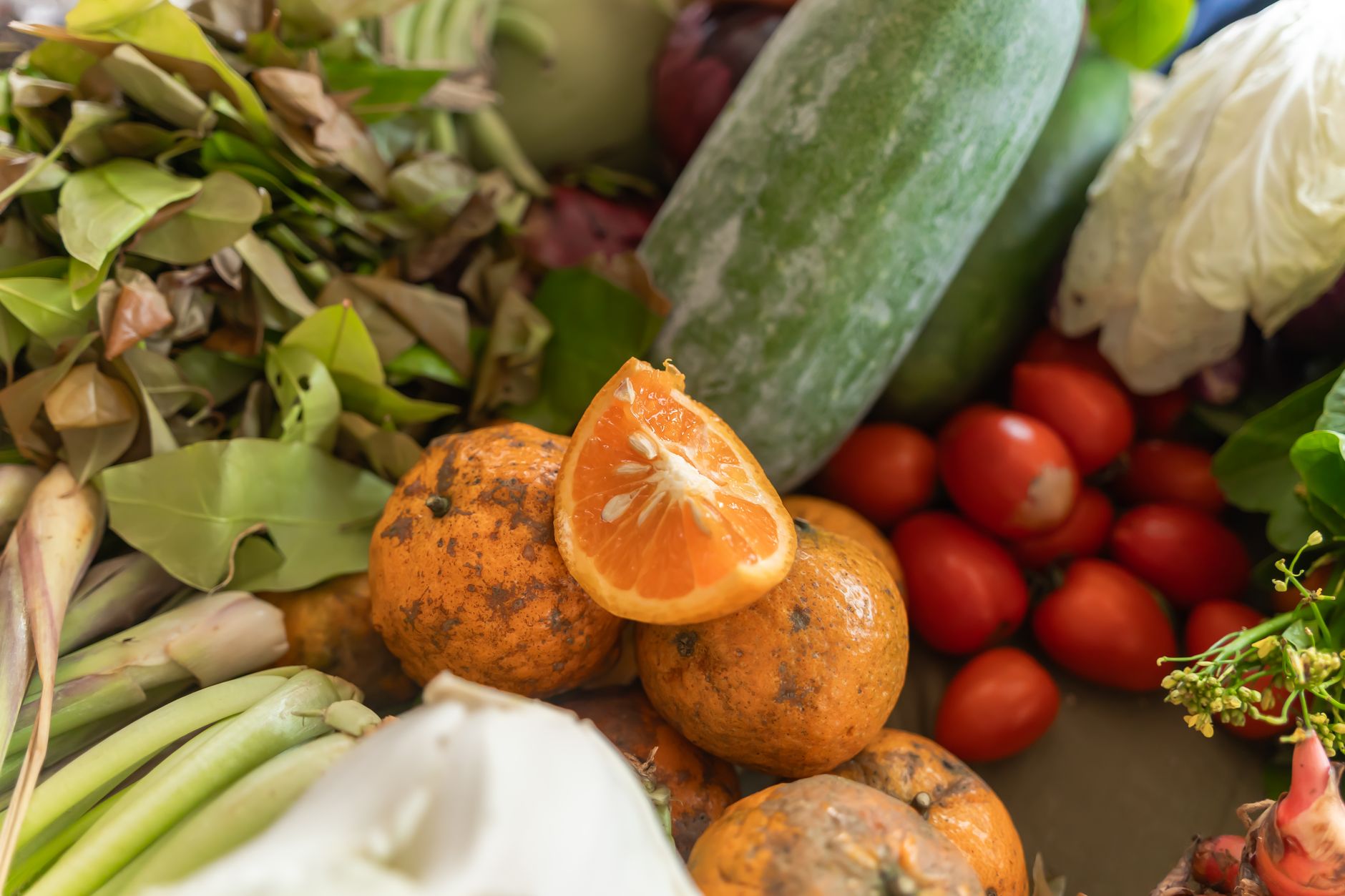
Constipation can be an uncomfortable and frustrating issue that affects many people. One of the most effective ways to alleviate this problem is through dietary changes. Understanding which foods are beneficial for promoting regular bowel movements can empower you to make informed choices.
In this article, we’ll explore various foods that help relieve constipation, how they work, and practical tips for incorporating them into your diet. Whether you are looking for specific ingredients or meal ideas, this guide will provide valuable insights and guidance.
What Foods Are Good for Constipation?
Foods that are beneficial for constipation typically include those high in fiber, hydrating foods, and probiotics. These foods work together to help soften stools, promote regularity, and maintain a healthy digestive system.
High-Fiber Foods
Fiber is essential for promoting regular bowel movements. It adds bulk to the stool and encourages its movement through the intestines. Here are some high-fiber foods to include in your diet:
- Fruits: Apples, pears, berries, bananas, and prunes are excellent choices. Prunes, in particular, are known for their natural laxative effect due to their sorbitol content.
- Vegetables: Leafy greens (spinach, kale), broccoli, carrots, and Brussels sprouts are rich in fiber and water, aiding digestion.
- Whole Grains: Foods like oatmeal, brown rice, quinoa, and whole wheat bread provide substantial fiber. Aim for whole grains instead of refined grains for maximum benefit.
- Legumes: Beans, lentils, and chickpeas are packed with fiber and nutrients. Incorporating these into salads, soups, or as side dishes can significantly boost fiber intake.
The Role of Insoluble vs. Soluble Fiber
Understanding the difference between insoluble and soluble fiber can help inform your food choices:
- Insoluble Fiber: Found in whole grains, nuts, and vegetables, insoluble fiber adds bulk to the stool and helps food pass through the digestive system efficiently.
- Soluble Fiber: Present in oats, beans, and fruits, soluble fiber can help regulate bowel movements by forming a gel-like substance in the digestive tract, which helps to soften the stool.
Hydrating Foods
Staying hydrated is crucial for digestive health. Water helps soften the stool and make it easier to pass. Here are some hydrating foods to include in your meals:
- Fruits: Watermelon, cucumbers, oranges, and strawberries have high water content while also contributing to your fiber intake.
- Vegetables: Celery, lettuce, and bell peppers are not only refreshing but also provide hydration.
Ensure you’re also drinking sufficient amounts of water throughout the day. The general recommendation is around 8 cups (64 oz) daily, but individual needs may vary.
Probiotic Foods
Probiotics are beneficial bacteria that support gut health and can help with constipation. Including probiotic-rich foods can promote a healthy digestive environment. Consider adding the following to your diet:
- Yogurt: A great source of probiotics, look for options with live and active cultures.
- Kefir: This fermented dairy product is an excellent source of probiotics and can be consumed as a drink or added to smoothies.
- Fermented Vegetables: Sauerkraut and kimchi are flavorful options that introduce beneficial bacteria into your gut.
- Miso: Used in soups and dressings, this fermented soybean paste is rich in probiotics.
Specific Food Ideas for Constipation Relief
Incorporating specific food combinations into your meals can be particularly effective in relieving constipation. Here are several meal and snack ideas:
Breakfast Ideas
- Overnight Oats: Combine rolled oats, chia seeds, and your choice of berries. Let it sit overnight in almond milk for a fiber-rich breakfast.
- Smoothie Bowl: Blend spinach, banana, and kefir to make a delicious smoothie topped with granola, sliced fruits, and nuts.
Lunch Suggestions
- Quinoa Salad: Mix cooked quinoa with diced cucumbers, cherry tomatoes, spinach, and a tangy lemon dressing for a refreshing meal.
- Hummus and Veggies: Enjoy hummus with carrot sticks, broccoli florets, and bell pepper strips as a crunchy and satisfying lunch.
Dinner Options
- Stir-Fry: Sauté a mix of broccoli, carrots, and snap peas with tofu or chicken. Serve over brown rice for a fiber-packed meal.
- Lentil Soup: Prepare a hearty lentil soup using lentils, diced tomatoes, carrots, and celery for a comforting and warming dinner.
Healthy Snack Ideas
- Chia Pudding: Mix chia seeds with almond milk and let sit overnight. Top with fruit before serving.
- Fresh Fruits: Keep a selection of high-fiber fruits on hand for a quick, sweet snack.
Tips for Increasing Fiber Intake
If you’re looking to boost your fiber intake, gradually increase it to avoid discomfort. Sudden changes can lead to bloating or gas. Here are some practical tips:
- Start Slowly: Introduce fiber-rich foods gradually into your diet. This approach allows your digestive system to adjust and minimizes digestive discomfort.
- Combine Fiber Sources: Mix different fiber sources in meals. For example, a salad could include leafy greens, beans, and quinoa.
- Read Labels: When choosing packaged foods, look for those with high fiber content. Many whole-grain products will have fiber listed on the label.
Common Mistakes to Avoid
While focusing on high-fiber foods, there are a few common pitfalls to avoid:
- Ignoring Hydration: Fiber requires water to work effectively. Without adequate hydration, an increase in fiber can actually worsen constipation.
- Relying Solely on Fiber Supplements: While supplements can help, they should not replace whole food sources of fiber.
- Excessive Processed Foods: Even if you’re eating fiber, consuming high amounts of processed foods can counteract benefits.
When to Consider Medical Help
Though diet plays a critical role in managing constipation, there are situations when you should consult a healthcare provider:
- Persistent constipation despite dietary changes.
- Accompanying severe abdominal pain or discomfort.
- Changes in bowel habits or unusual stools.
Conclusion
By incorporating a variety of high-fiber foods, hydrating foods, and probiotics, you can significantly improve your digestive health and alleviate constipation. Remember to increase fiber intake gradually and stay hydrated. Dietary changes can make a substantial difference, but do not hesitate to seek professional advice if issues persist.
If you’re looking for more food ideas or tips to boost your well-being, explore our information on the benefits of chia seeds and discover whether cabbage helps your digestion.