
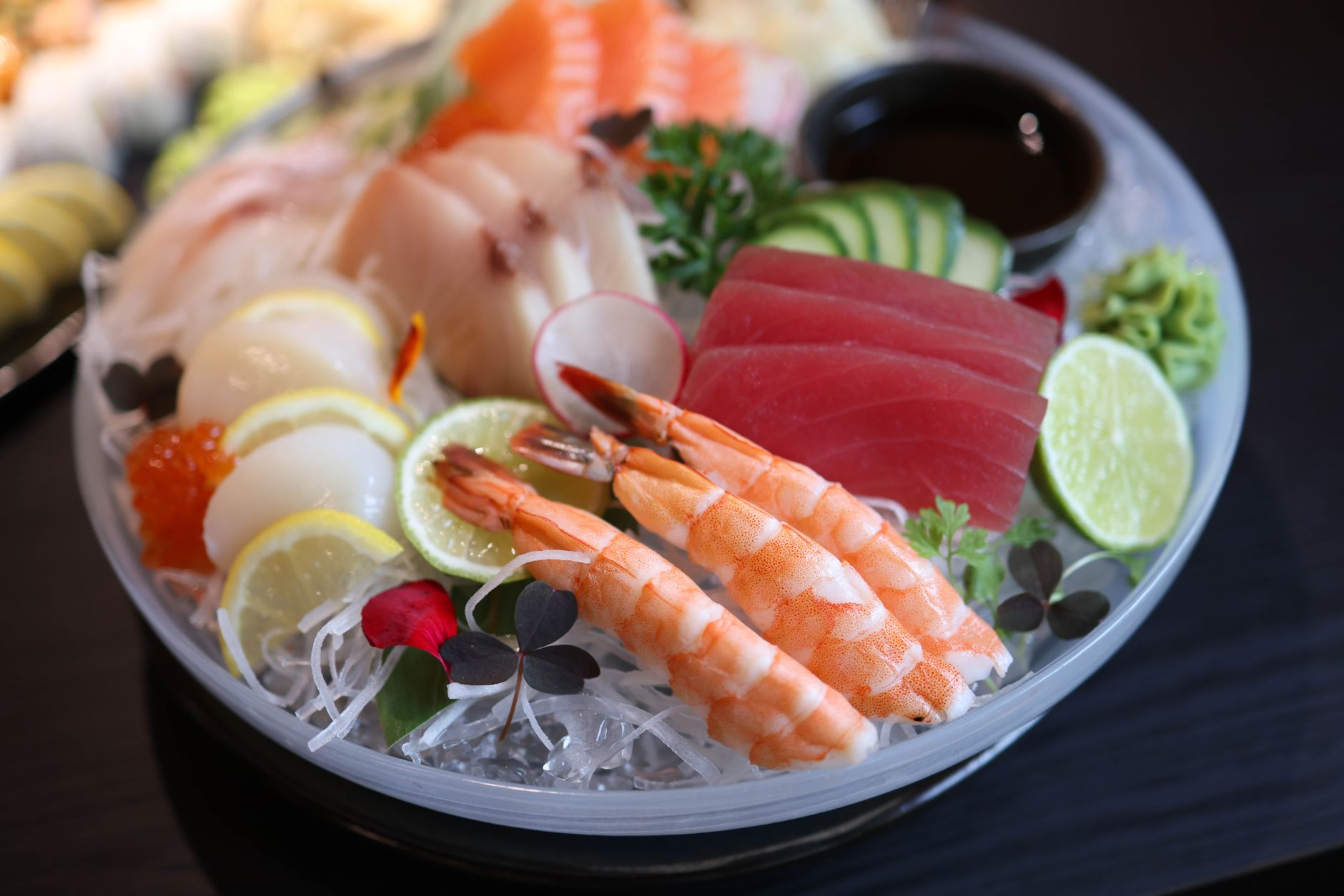
Sashimi and nigiri are two beloved staples of Japanese cuisine, often enjoyed by seafood enthusiasts around the world. While they might appear similar at first glance, they have distinct characteristics that set them apart in terms of preparation, ingredients, and serving style.
Understanding these differences not only enhances your dining experience but also enriches your appreciation of Japanese culinary art. This article will explore the key differences between sashimi and nigiri, their uses, and suitable substitutions if you’re looking to experiment in your own kitchen.
What Is the Difference Between Sashimi and Nigiri?
Sashimi refers to thinly sliced raw fish or seafood served without rice, typically accompanied by soy sauce, wasabi, and pickled ginger. Nigiri, on the other hand, consists of slices of raw fish placed atop a small mound of vinegared rice. While both highlight the freshness of the seafood, the inclusion of rice fundamentally differentiates nigiri from sashimi.
Understanding Sashimi
Sashimi, pronounced “sah-shee-mee,” is often regarded as a pure expression of the quality and freshness of fish or seafood. The preparation of sashimi is an art form in itself, requiring skillful techniques to achieve thin, delicate slices.
Types of Sashimi
Sashimi can be made from various types of seafood, and while fish is the most common choice, it’s not limited to just that. Here are some popular types of sashimi:
- Tuna (Maguro)
- Salmon (Sake)
- Yellowtail (Hamachi)
- Octopus (Tako)
- Scallops (Hotate)
Preparation Techniques
The key to excellent sashimi lies in the quality of the fish and the technique used to slice it. Sushi chefs typically follow these steps:
- Choose the right fish: Look for the freshest seafood possible, ideally sourced from reputable suppliers.
- Fillet the fish: Carefully remove the skin and bones of the fish.
- Slice: Using a sharp knife, slice the fish against the grain into thin pieces, usually between 1/8 to 1/4 inch thick.
- Presentation: Arrange the sashimi on a plate, often garnished with shiso leaves, daikon radish, or microgreens.
Understanding Nigiri
Nigiri, pronounced “nee-gee-ree,” translates to “to grasp” in Japanese, which reflects how the rice is formed by hand. Nigiri is typically characterized by an oval-shaped mound of vinegared rice topped with a slice of raw fish or seafood.
Components of Nigiri
Nigiri consists of two main components: the fish and the rice. The quality of both elements is crucial to the final product. Here are the components:
- Rice (Shari): The rice used for nigiri is short-grain Japanese rice seasoned with vinegar, sugar, and salt, giving it a slight tang and stickiness.
- Fish (Neta): Similar to sashimi, the fish must be fresh and sliced appropriately to enhance its flavor and texture.
Preparation Techniques
Preparing nigiri involves a slightly more complex process than sashimi due to the rice. Here’s how to make traditional nigiri:
- Cook the rice: Rinse short-grain rice in cold water until the water runs clear. Then cook the rice according to the package instructions, ideally in a rice cooker.
- Season the rice: Mix rice vinegar, sugar, and salt in a bowl until dissolved. Once the rice is cooked and still warm, gently fold in the vinegar mixture.
- Form the rice: Wet your hands to prevent sticking. Take a small amount of rice, usually about the size of a small plum, and shape it into an oval mound.
- Add the fish: Place a slice of fresh fish atop the rice mound. Optionally, some sushi chefs also add a touch of wasabi between the rice and fish.
Flavor and Texture Differences
The flavor and texture profile of sashimi and nigiri also differs significantly. Sashimi delivers an intense seafood flavor because the fish is consumed raw without the interference of other ingredients. The texture is typically smooth and tender, making the quality of the fish paramount.
In contrast, nigiri adds a contrasting texture with rice. The vinegared rice introduces a slightly sweet and tangy element that complements the fish. The firmness of the rice contrasts with the tenderness of the seafood, providing a delightful balance in each bite.
Common Uses and Serving Suggestions
When you’re considering what to serve at your next gathering or special occasion, understanding the uses of sashimi and nigiri can elevate your menu planning.
When to Serve Sashimi
Sashimi is often served as an appetizer or as part of a larger sushi platter. It works beautifully for special occasions such as:
- Japanese-themed dinners
- Celebrations like birthdays or anniversaries
- As part of a multi-course meal or tasting menu
When to Serve Nigiri
Nigiri can be enjoyed as a standalone dish or as part of a sushi platter, making it versatile. It is best served:
- As a main course for a satisfying meal
- In casual settings such as sushi bars or at home with friends
- As part of a sushi tasting menu, allowing for various combinations and flavors
Substitutes for Sashimi and Nigiri Ingredients
For those looking to recreate sashimi and nigiri at home but who may not have access to traditional ingredients, there are a few substitutes you might consider.
Substitutes for Sashimi
- Fresh Seafood Alternatives: If certain fish aren’t available, consider using other types of fish like trout or snapper. Even shellfish like shrimp and scallops can be used for sashimi.
- Vegetarian Options: You can create a vegetarian sashimi using ingredients like avocado, cucumber, or even marinated tofu.
Substitutes for Nigiri Rice
- Other Rice Varieties: If you can’t find short-grain sushi rice, you can use a medium-grain rice or even jasmine rice, though the flavor and texture will differ.
- Vegan Alternatives: For a vegan option, use seasoned quinoa or cauliflower rice as a base.
Common Mistakes and Troubleshooting Tips
When making sashimi or nigiri, a few common pitfalls can undermine the final dish. Understanding these can help you avoid mistakes.
Common Mistakes with Sashimi
- Poor quality fish: Always choose the freshest fish available. If it doesn’t smell clean or looks dull, avoid using it.
- Improper slicing: It’s essential to slice against the grain to ensure tenderness. If the slices are too thick, the texture will be off.
Common Mistakes with Nigiri
- Rice too sticky or dry: Perfectly cooked sushi rice should be sticky but not overly so. If it’s too dry, it won’t hold well together.
- Too much wasabi: Beginners often use too much wasabi. A small amount is sufficient to enhance flavor without overpowering the dish.
Storage and Reheating Guidance
Storing sashimi and nigiri properly is crucial to maintain freshness and safety. Follow these guidelines:
Storing Sashimi
Sashimi should ideally be eaten immediately after preparation to enjoy its freshness. If you need to store it:
- Cover it tightly in plastic wrap to minimize exposure to air.
- Refrigerate for no more than one day.
Storing Nigiri
Nigiri is best consumed fresh but can be stored if needed:
- Wrap in plastic to protect the fish from air but avoid compressing it.
- Consume within a day for the best taste and texture.
Conclusion
Understanding the key differences between sashimi and nigiri can enhance your appreciation for these delightful Japanese dishes. Sashimi highlights the freshness of raw seafood, while nigiri combines that freshness with flavorful vinegared rice. Experimenting with these ingredients at home can lead to a rewarding culinary experience.
If you’re interested in exploring more recipes or cooking tips, consider trying out our lox recipe or learn how to make seared ahi tuna for a delightful seafood experience.