
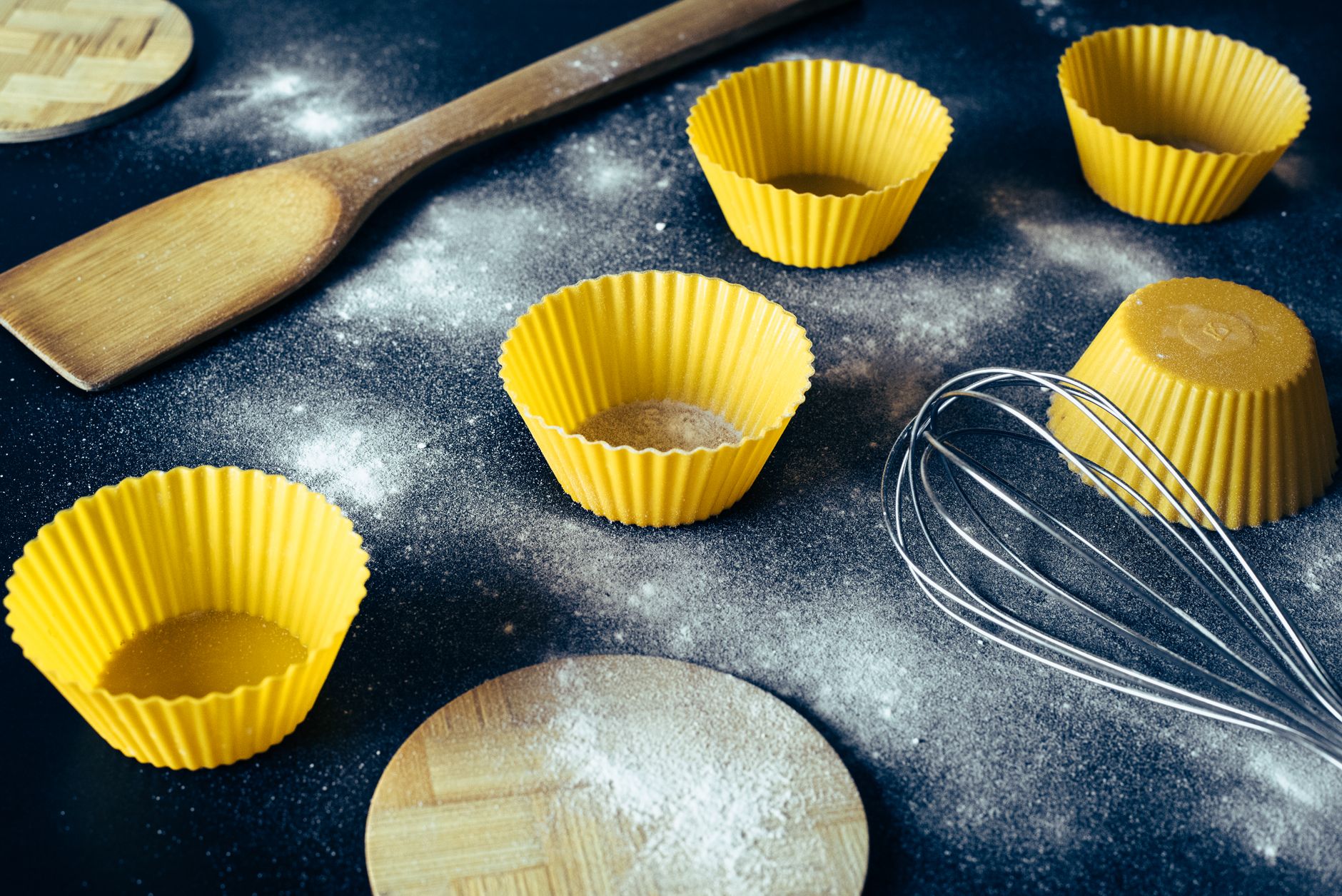
Silicone bakeware has become increasingly popular for home bakers and professional chefs alike. Its flexibility, non-stick nature, and ease of cleaning make it a favorite in many kitchens. However, a common question arises: is silicone safe to bake with? This article will explore the properties of silicone, its safety for baking, and guide you through its use with expert tips.
Understanding whether silicone is safe for baking involves looking at its composition, how it performs in ovens, and what precautions to take when using it. Let’s dive into these aspects, discussing everything you need to know to bake confidently with silicone.
Is Silicone Safe to Bake With?
Yes, silicone is generally considered safe to use in baking. It is made from silica, which is a natural compound, and can withstand high temperatures. Most silicone bakeware is designed to tolerate temperatures up to approximately 428°F (220°C) and is resistant to both heat and cold. However, it’s crucial to choose high-quality silicone products to ensure safety.
Understanding Silicone Bakeware
Silicone bakeware is made from synthetic rubber known as polydimethylsiloxane. This material has a combination of properties that make it suitable for a wide range of baking applications. Here are some key aspects of silicone bakeware:
- Flexibility: Silicone is highly flexible, allowing baked goods to release easily from molds without sticking.
- Non-Stick Surface: The natural non-stick quality of silicone means that you often do not need to use baking sprays or oils.
- Oven-Safe: Silicone can withstand high temperatures, making it safe to use in conventional ovens, microwaves, and even freezers.
- Durability: Silicone bakeware can last for many years when cared for properly.
Safety Considerations When Using Silicone Bakeware
While silicone is generally viewed as a safe option for baking, here are some important considerations:
Quality Matters
Not all silicone bakeware is created equal. High-quality silicone products are typically labeled as “100% silicone,” which indicates that they are made specifically for baking. Always check for certifications that may indicate they meet safety standards.
Temperature Limits
Most silicone bakeware can handle temperatures up to 428°F (220°C). Using silicone bakeware beyond this temperature may cause it to break down or leach harmful chemicals into food. Always follow the manufacturer’s instructions regarding temperature limits.
Potential for Wear
Silicone can wear down over time, especially if exposed to sharp utensils or high heat frequently. Inspect your silicone bakeware for signs of wear, such as discoloration or damage, and replace it if necessary.
How to Use Silicone Bakeware Effectively
To maximize the benefits of silicone bakeware, proper usage and care are essential. Here’s how to use silicone bakeware effectively:
Preparation Tips
- Choose the Right Size: Ensure the silicone mold fits comfortably in your oven to allow proper heat circulation.
- Placement: Place the silicone bakeware on a baking sheet before filling it. This will give it stability and make it easier to handle.
- Preheat the Oven: As with traditional bakeware, always preheat your oven before placing silicone bakeware inside for best results.
Baking Process
When baking with silicone, there are a few tips to keep in mind:
- Adjust Baking Times: Silicone can absorb heat differently than metal. Be prepared to adjust baking times slightly if needed. Checking for doneness early is a good practice.
- Cool Down Properly: Allow silicone bakeware to cool for a few minutes outside the oven before attempting to remove baked goods.
- Check for Doneness: Use a toothpick or cake tester to check for doneness, just as you would with other types of bakeware.
Cleaning and Care
Keeping your silicone bakeware clean is essential for safety and longevity:
- Hand Washing: Most silicone products are dishwasher safe but hand washing with warm soapy water is recommended to preserve the material.
- Avoid Sharp Objects: Use wooden, silicone, or plastic utensils to prevent damage to the bakeware.
- Store Properly: Store silicone bakeware flat or stacked to maintain its shape.
Common Mistakes When Using Silicone Bakeware
To ensure successful baking with silicone, be mindful of these common mistakes:
- Not Using a Baking Sheet: Skipping the baking sheet can cause spills and make it difficult to move silicone bakeware in and out of the oven.
- Overbaking: Because silicone retains heat, overbaking can occur quickly. Keep a close eye on your baked goods.
- Underestimating Cooling Time: Allow baked goods to cool sufficiently before removing them from the silicone mold to prevent crumbling.
Alternatives to Silicone Bakeware
If you’re considering alternatives to silicone bakeware, here are a few options:
Metal Bakeware
Metal pans are excellent heat conductors and can provide a nice browning effect. They’re durable and typically long-lasting but may require greasing to prevent sticking.
Glass Bakeware
Glass is a great alternative that distributes heat evenly. It’s also microwave safe and allows for easy monitoring of your food while it cooks. However, it’s heavier and can break if dropped.
Stoneware
Stoneware cookware is praised for its ability to retain heat and provide even baking. It adds a rustic touch to your kitchen but might require special care and seasoning.
Baking with Silicone: What to Know About Specific Foods
Different baked goods can react differently when using silicone bakeware. Here are insights for specific types of items:
Cakes
Silicone molds are excellent for cakes, particularly intricate designs, as they allow for easy release. Ensure the cake is fully cooked by checking with a toothpick. Cakes often require a longer cooling time before removing them from the mold to set properly.
Muffins and Cupcakes
Silicone muffin molds make for easy removal without the need for liners. Keep an eye on baking times, as these smaller portions can bake faster than larger cakes. When cool, just push from the bottom for a clean release.
Cookies
Silicone is not typically used for cookie baking due to its ability to trap moisture, resulting in softer cookies. Consider using metal or parchment-lined baking sheets for optimal texture.
Frozen Treats
Silicone molds are fantastic for freezing items such as ice cubes or homemade popsicles. The flexibility allows for easy removal once the treats are frozen solid.
Frequently Asked Questions About Silicone Bakeware
Addressing common questions can ease concerns and uncertainty about using silicone bakeware:
Can I use silicone bakeware in the microwave?
Yes, silicone bakeware is safe to use in the microwave. Its design is well-suited for microwaving, allowing for even cooking and easy cleaning.
Can silicone bakeware go in the oven?
Absolutely. Silicone bakeware is oven safe and performs well under typical baking conditions. Just adhere to the temperature guidelines provided by the manufacturer.
What if my silicone bakeware has an odor?
New silicone bakeware may carry a slight odor. To eliminates odors, wash it with soap and hot water or soak it in a solution of vinegar and water.
Tips for Buying Silicone Bakeware
When looking to purchase silicone bakeware, consider these factors:
- Brands and Certifications: Look for reputable brands that offer ‘food-grade silicone,’ which is the most reliable for cooking.
- Design: Choose molds that suit your baking needs, such as muffin trays, loaf pans, or intricate shapes.
- Color: Silicone bakeware comes in various colors. While color doesn’t affect performance, choose your favorite for a more joyful baking experience.
Conclusion
Silicone bakeware is a convenient and versatile option for baking. When used correctly, it is generally safe for various baking applications. By following quality guidelines, safety precautions, and proper care tips, you can make the most of your silicone bakeware, enjoying delicious baked creations.
For more helpful kitchen insights and techniques, consider exploring our guides on jelly roll pans and shortening in baking. Happy baking!