
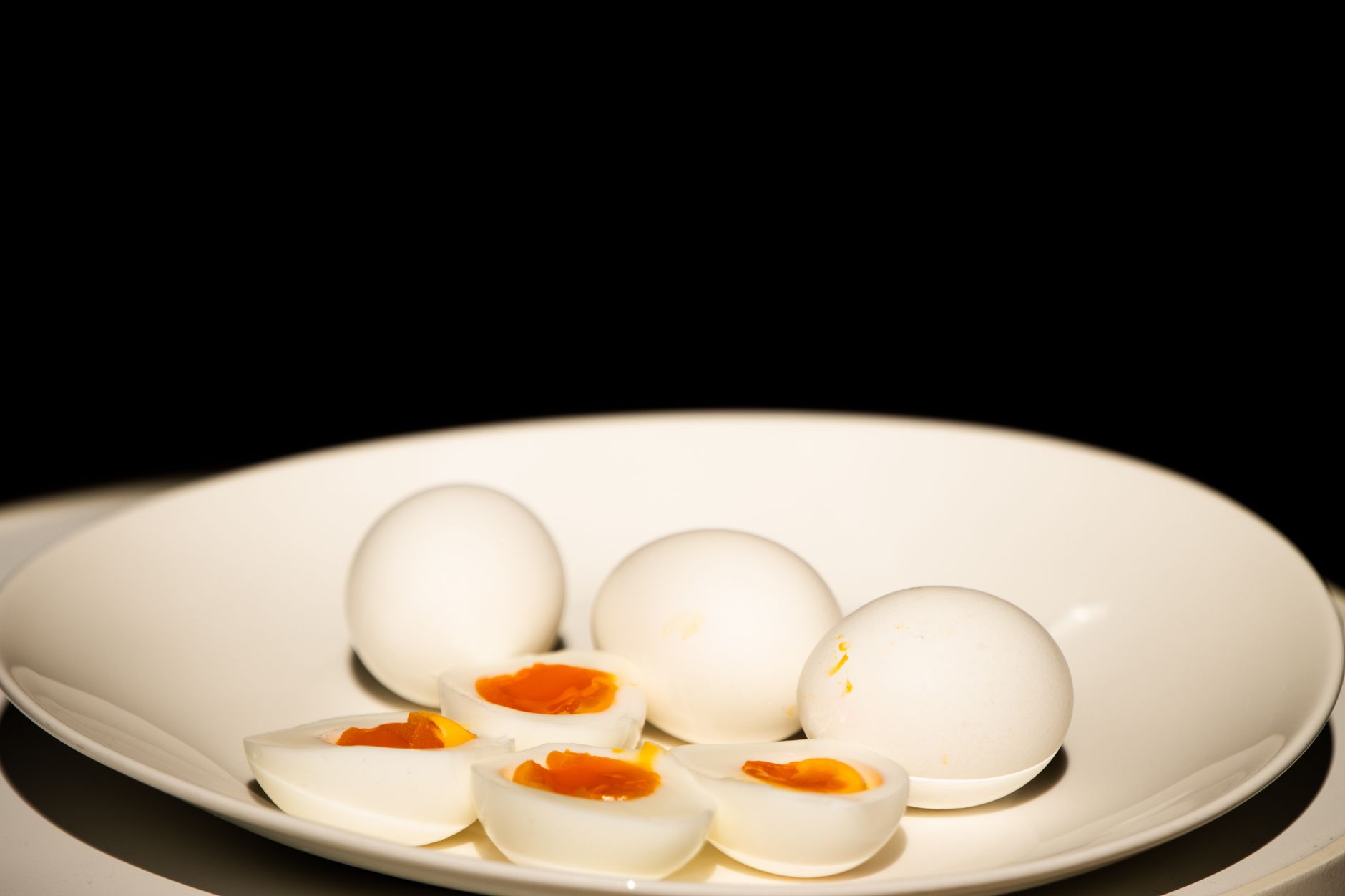
Eggs are a staple ingredient in many kitchens, prized for their versatility and nutritional value. When it comes to protein content, eggs are often highlighted as a high-quality source, but have you ever wondered just how much protein is in a medium egg? This article aims to answer that question and provide detailed insights into the nutritional benefits of eggs and how they can fit into your meals.
Understanding the protein content in a medium egg can help you plan your meals better, whether you are looking to increase your protein intake or simply enjoy this ingredient in various dishes. We will also explore the functions of protein in our diets, how eggs compare to other protein sources, and ways to incorporate them into your meals.
How Much Protein In A Medium Egg?
A medium egg typically contains about 6 to 7 grams of protein. The protein is distributed in both the egg white and the yolk, although the egg white accounts for a larger portion. Eggs are considered a complete protein, meaning they contain all nine essential amino acids necessary for human health.
The Nutritional Breakdown of an Egg
To understand the role of eggs in a balanced diet, let’s delve into the complete nutritional profile of a medium egg.
| Nutrient | Amount in a Medium Egg (approx. 44 grams) |
|---|---|
| Calories | 63 |
| Protein | 6.5 grams |
| Total Fat | 4.8 grams |
| Saturated Fat | 1.5 grams |
| Cholesterol | 186 mg |
| Carbohydrates | 0.6 grams |
| Vitamins (example) | B2, B12, D, and others |
| Minerals (example) | Selenium, Phosphorus, Iron |
This nutritional composition shows that beyond just protein, eggs are also rich in various vitamins and minerals that contribute to a healthy diet. They are particularly high in Vitamin B12 and Selenium, which play roles in energy production and maintaining a healthy immune system.
The Benefits of Protein in Eggs
Protein serves several crucial functions in our bodies, from building and repairing tissues to supporting immune function. Here’s a closer look at how the protein in eggs can benefit you:
- Muscle Repair and Growth: Protein is essential for muscle recovery after exercise. Including eggs in your post-workout meals can aid in this process.
- Satiety: Protein-rich foods like eggs help you feel full longer, which can aid in weight management by curbing hunger and reducing snack cravings.
- Immune Function: The amino acids from protein are vital for producing antibodies and supporting overall immune health.
- Bone Health: Protein plays a key role in bone density, and eggs contain additional nutrients like Vitamin D that support bone strength.
How Eggs Compare to Other Protein Sources
When considering your protein options, it’s useful to compare eggs to other common protein sources based on their protein content and nutritional value. Here’s how a medium egg stacks up against other foods:
| Food Item | Protein Content (per serving) |
|---|---|
| Medium Egg | 6.5 grams |
| Chicken Breast (3 oz) | 26 grams |
| Greek Yogurt (1 cup) | 20 grams |
| Tofu (1/2 cup) | 10 grams |
| Lentils (1 cup cooked) | 18 grams |
While chicken breast and lentils offer more protein per serving, eggs provide a high-quality protein option with other nutritional benefits, making them a great choice for a balanced diet.
Incorporating Eggs into Your Diet
Eggs are incredibly versatile and can be incorporated into meals at any time of day. Here are some practical ideas to include eggs in your meal planning:
- Breakfast: Scrambled, poached, or fried eggs can be served with toast, avocados, or vegetables for a nutritious start to your day.
- Lunch: Add hard-boiled eggs to salads or sandwiches for an easy protein boost.
- Dinner: Eggs can be used in casseroles or as a protein addition to stir-fries.
- Snacks: Deviled eggs or egg muffins make for an excellent snack option rich in protein.
Egg Cooking Techniques
Eggs can be cooked in a variety of ways, each offering a different texture and flavor profile. Here are popular methods for preparing eggs:
Boiling
- Place eggs in a pot and cover with water.
- Bring the water to a boil. Once boiling, remove from heat and cover the pot.
- Depending on desired doneness, let sit for 9-12 minutes.
- Transfer eggs to an ice bath to cool before peeling.
Scrambling
- Crack eggs into a bowl, adding salt and pepper, and whisk until blended.
- Heat a non-stick skillet over medium heat and add butter or oil.
- Pour in the eggs and gently stir with a spatula until they begin to set.
- Remove from heat a moment before fully cooked, as they will continue to cook off the heat.
Poaching
- Fill a pot with water and bring to a gentle simmer.
- Add a splash of vinegar to keep the egg whites from spreading.
- Crack the egg into a small bowl, then gently slide it into the simmering water.
- Cook for about 3-4 minutes for a runny yolk, then remove with a slotted spoon.
Common Mistakes When Cooking Eggs
Cooking eggs is straightforward, but there are some pitfalls to avoid:
- Not using enough fat when scrambling can lead to eggs sticking to the pan.
- Overcooking can result in a rubbery texture in both scrambled eggs and boiled eggs.
- When boiling, letting the eggs sit too long in hot water can lead to a grayish-green ring around the yolk.
Storing Eggs Properly
To maintain freshness and reduce the risk of foodborne illness, proper egg storage is essential:
- Store eggs in the original carton in the refrigerator to protect them and maintain quality.
- Use within the expiration date or within three to five weeks for the best quality.
- For hard-boiled eggs, store in the refrigerator and consume within one week.
Egg Alternatives and Substitutions
If you are considering an egg substitute for dietary reasons or allergies, there are several alternatives available:
- Flaxseed Meal: Mix 1 tablespoon of flaxseed meal with 3 tablespoons of water; let it sit for a few minutes to thicken, and use it as an egg replacement in baking.
- Applesauce: Use 1/4 cup of unsweetened applesauce as a substitute for one egg in baking for added moisture.
- Silken Tofu: Blend 1/4 cup of silken tofu until smooth to replace one egg in recipes requiring moisture.
Conclusion
Eggs are not only an economical source of high-quality protein but also enrich meals with essential nutrients. Understanding how much protein is in a medium egg can help you make informed dietary choices and incorporate this versatile ingredient in various forms. From breakfast to dinner, eggs can easily fit into your meal planning.
For readers interested in more nutritional insights, explore the calorie content in scrambled eggs or learn about protein sources in spinach. Resources for both topics can be found at How Many Calories in 2 Scrambled Eggs and How Much Protein in Spinach.