
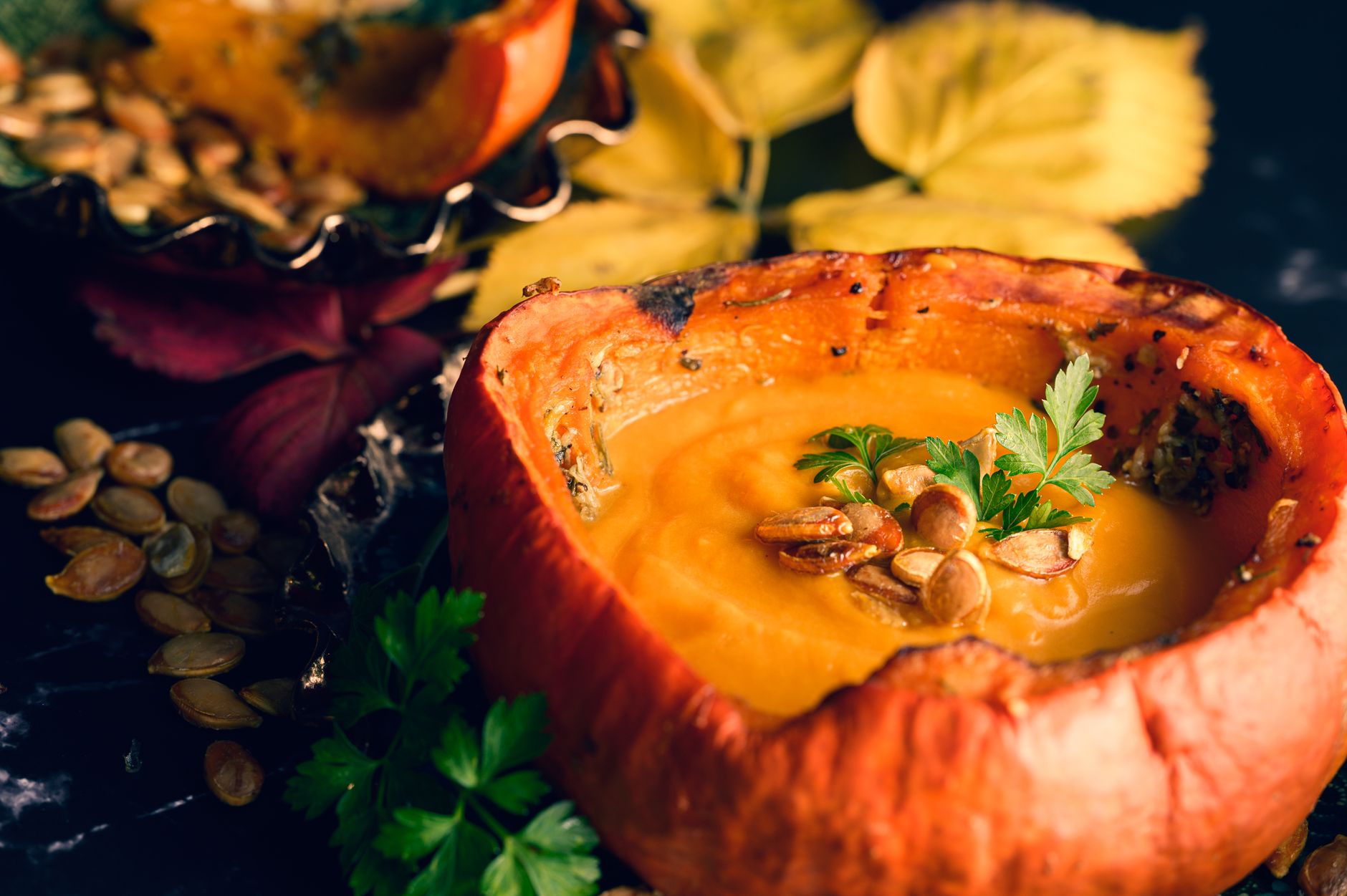
Pumpkin seeds, also known as pepitas, are a nutritional powerhouse boasting a variety of health benefits. These seeds are often enjoyed roasted, salted, and spiced, making them a crunchy snack or an excellent addition to salads and grain bowls. A common question surrounding these seeds is whether to eat the whole seed or just the inner part. Understanding the pros and cons of eating the entire pumpkin seed versus just the kernel can help maximize their nutritional benefits.
This article explores whether you should eat the whole pumpkin seed, the nutritional value, various uses in cooking and snacking, and tips for preparation and cooking. By the end, you’ll have a comprehensive guide to enjoying pumpkin seeds to their fullest.
Do You Eat The Whole Pumpkin Seed?
Yes, you can eat the whole pumpkin seed, including the shell. The shell provides fiber and additional nutrients, while the inner seed is rich in protein, vitamins, and minerals. While some people prefer the taste and texture of shelled seeds, incorporating whole seeds into your diet provides both flavor and nutrition.
Nutritional Profile of Pumpkin Seeds
Pumpkin seeds are known for their impressive nutrient content. Whether you consume them with the shell or not, both options have unique benefits.
- Whole Pumpkin Seeds (with shell): The shell provides additional fiber, which aids in digestion. It contributes little to no calories but helps you feel full.
- Unshelled Pumpkin Seeds (without shell): These are rich in magnesium, zinc, and healthy fats. They’re also a source of protein and essential amino acids.
Benefits of Eating Whole Pumpkin Seeds
Consuming whole pumpkin seeds can offer numerous benefits:
- Increased Fiber Intake: The shell adds dietary fiber, which is beneficial for digestive health and can help regulate blood sugar levels.
- Nutrient Density: Whole seeds are more nutrient-dense compared to their shelled counterparts, as they provide all the nutrients in both the kernel and shell.
- Versatile Snacking: Whole pumpkin seeds can be roasted and seasoned, providing a crunchy snack that can be enjoyed on-the-go or as part of a meal.
When to Choose Shelled vs. Unshelled Pumpkin Seeds
Deciding between shelled and unshelled pumpkin seeds often comes down to personal preference and intended use:
- For Snacking: Unshelled seeds can provide a satisfying crunch and additional fiber, while shelled seeds may be easier to eat in larger quantities.
- In Cooking and Baking: Shelled seeds integrate smoothly into recipes, such as granola bars, salads, and baked goods. Whole seeds can act as a garnish or topping.
- For Nutritional Boost: Eating entire seeds maximizes fiber consumption, making them a better choice for those looking to improve digestive health.
Preparation and Cooking Techniques
Cooking pumpkin seeds can enhance their flavor and crunch, whether you choose to eat them raw or roasted. Here’s how to prepare them:
How to Roast Pumpkin Seeds
- Clean the Seeds: If you’re starting with fresh pumpkin seeds, rinse them under cold water to remove any pulp and strings. Pat them dry with a towel.
- Preheat the Oven: Preheat your oven to 350°F (175°C).
- Seasoning: Toss the seeds with olive oil, or melted butter, and season them with salt or your favorite spices. Options include paprika, garlic powder, or chili powder for added flavor.
- Spread on a Baking Sheet: Lay the seeds in a single layer on a baking sheet. Make sure they are not overlapping to ensure they roast evenly.
- Roast: Place the baking sheet in the preheated oven and roast for about 10-15 minutes, stirring occasionally, until they are golden brown and crunchy.
- Cool and Store: Once roasted, let the seeds cool completely before transferring them to an airtight container for storage.
Other Cooking Methods
Pumpkin seeds can also be cooked in various other ways:
- Stovetop Roasting: Heat a skillet over medium heat, add the seeds, and stir them frequently until they become golden and toasted. This method adds a smoky flavor.
- Flavor Infusion: You can boil the seeds briefly in salted water before roasting them to enhance flavor. This step is particularly useful for whole seeds.
- Incorporation in Dishes: Use pumpkin seeds in salads, granola, bread, or trail mix for added crunch and nutrition.
Common Uses for Pumpkin Seeds
Pumpkin seeds are versatile and can be used in a variety of dishes, whether whole or shelled:
Snack Ideas
- Roasted Pumpkin Seeds: A classic snack, simply seasoned or mixed with spices for a twist.
- Trail Mix: Combine whole pumpkin seeds with nuts, dried fruits, and dark chocolate for a nutritious snack.
In Cooking
- Salads: Whole pumpkin seeds add crunch and a nutty flavor to salads.
- Granola: Toss in shelled pumpkin seeds for added texture and nutrients.
- Soups and Stews: Whole seeds can serve as a garnish for soups, enhancing the dish’s nutritional value.
Baking with Pumpkin Seeds
- Breads: Incorporate pumpkin seeds into bread dough for added texture and nutrition.
- Muffins and Cookies: Whole seeds or shelled seeds can be mixed into batters for nutritious baked treats.
Storage Tips for Pumpkin Seeds
Proper storage is key to maintaining the freshness and flavor of pumpkin seeds:
- Raw Pumpkin Seeds: Store in an airtight container in a cool, dry place for up to six months.
- Roasted Pumpkin Seeds: Keep in an airtight container at room temperature for up to two weeks. For long-term storage, refrigerate or freeze them to maintain freshness.
Common Mistakes to Avoid
While preparing and consuming pumpkin seeds, keep these common pitfalls in mind:
- Not Cleaning Thoroughly: Be sure to rinse and clean fresh seeds properly before cooking to avoid undesirable flavors from pulp.
- Over-Roasting: Monitor seeds closely while roasting to prevent burning, as they can quickly turn from perfectly toasted to bitter.
- Skipping Seasoning: Don’t forget to season your seeds—experiment with different flavor profiles to avoid blandness.
Conclusion and Practical Next Steps
Eating the whole pumpkin seed, including the shell, can enhance your diet with extra fiber and nutrients, while the inner kernel is rich in essential vitamins and minerals. Whether you choose to snack on them raw, roasted, or incorporate them into meals, the options are both versatile and healthful.
To further explore the culinary uses of pumpkins, you might want to check out guides on freezing pumpkin pie and understanding pumpkin puree for new baking inspirations. Enjoy experimenting with pumpkin seeds and adding them to your favorite dishes!