
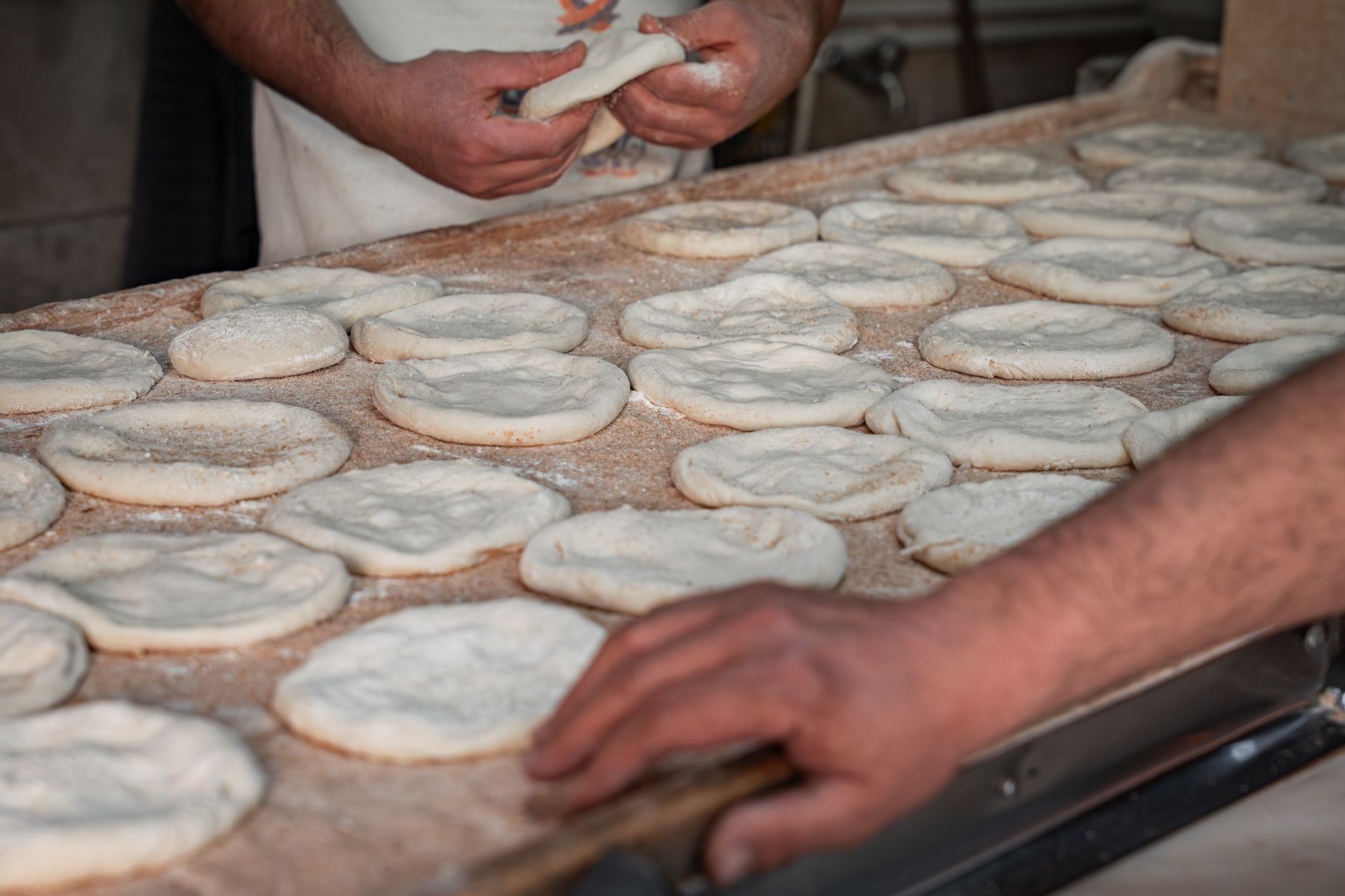
Pita bread is a staple in many Mediterranean and Middle Eastern cuisines, celebrated for its unique pocket and versatile nature. One common question that arises about this beloved bread is whether it contains yeast.
The answer is yes, traditional pita bread is typically made with yeast, which helps it rise and develop that characteristic pocket. However, it is essential to understand the ingredients, preparation methods, and variations that exist within pita bread recipes.
Does Pita Bread Have Yeast?
Yes, most pita bread recipes include yeast as a key ingredient. Yeast is responsible for the fermentation process that makes the dough rise, creating the airy texture and the pocket that pita bread is known for. There are variations, however, that either minimize yeast or use alternative leavening agents.
Understanding the Ingredients of Pita Bread
To gain an understanding of pita bread, one must look closely at its ingredients. Here’s a breakdown of the common ingredients used in making traditional pita bread:
- Flour: Usually, all-purpose flour or whole wheat flour is used.
- Water: Essential for hydrating the flour and activating the yeast.
- Yeast: Typically, active dry yeast or instant yeast is used to leaven the bread.
- Salt: Enhances flavor and regulates yeast activity.
- Olive Oil: Optional, but adds moisture and richness to the bread.
How Yeast Works in Pita Bread
Yeast plays a critical role in the baking process. Here’s how it contributes to the creation of pita bread:
- Fermentation: When mixed with warm water and sugar, yeast begins to ferment, producing carbon dioxide gas and alcohol.
- Dough Rising: The carbon dioxide causes the dough to rise and expand, which is essential for the pocket formation.
- Baking: When the dough is baked at high temperatures, the gas bubbles expand further, causing the bread to puff up and form the signature pocket.
The puffing occurs as moisture turns to steam, causing the bread to separate into two layers. This unique feature makes pita highly versatile for scooping, stuffing, or dipping.
Variations of Pita Bread: With and Without Yeast
While traditional pita bread uses yeast, there are variations that cater to different dietary needs or preferences. Here are some alternatives:
- Yeast-Free Pita Bread: Some recipes utilize baking powder instead of yeast, offering a quick and easy version without fermentation.
- Sourdough Pita Bread: This uses a sourdough starter instead of commercial yeast, providing a distinct tangy flavor.
- Gluten-Free Pita Bread: Special blends of gluten-free flours and binders can create a yeast-leavened option for those with gluten sensitivities.
Making Pita Bread from Scratch
For those inclined to make homemade pita bread, here is a simple recipe that includes yeast:
Ingredients
- 4 cups all-purpose flour
- 1 packet (2 ¼ teaspoons) active dry yeast
- 1 ½ cups warm water (about 110°F/43°C)
- 1 teaspoon salt
- 1 tablespoon olive oil (optional)
Essential Equipment
- Mixing bowl
- Dough scraper or spatula
- Clean kitchen towel
- Baking sheet or pizza stone
- Rolling pin
- Oven
Method
- In a large mixing bowl, dissolve the yeast in warm water and let it sit for about 5 minutes, until frothy.
- Add the flour, salt, and olive oil to the yeast mixture. Stir until a rough dough forms.
- Transfer the dough to a lightly floured surface and knead for about 8-10 minutes until smooth and elastic.
- Shape the dough into a ball and place it in a lightly greased bowl. Cover it with a damp kitchen towel and let it rise in a warm place for about 1-1.5 hours, or until doubled in size.
- Once risen, punch down the dough and divide it into equal portions (about 8 pieces). Shape each piece into a ball and let them rest for about 10-15 minutes.
- Preheat the oven to 475°F (245°C) and place a baking sheet or pizza stone inside to heat.
- Using a rolling pin, roll each ball into a flat circle about ¼ inch thick.
- Carefully transfer the rolled dough onto the hot baking sheet or stone and bake for 2-3 minutes. The bread should puff up and become slightly golden.
- Once done, remove from the oven and cover with a clean towel to keep warm. Repeat with the remaining dough.
Common Mistakes When Making Pita Bread
If you’re attempting to make pita bread at home, be mindful of common pitfalls:
- Under-kneading the Dough: Kneading is crucial for gluten development, which ensures proper rise.
- Incorrect Yeast Temperature: Yeast can be killed by water that is too hot, so ensure it is warm rather than boiling.
- Not Using a Hot Oven: A high baking temperature is essential for puffing the pita; a cooler oven will yield dense bread.
Serving Suggestions for Pita Bread
Pita bread is incredibly versatile, making it perfect for a variety of dishes:
- Dips: Serve with hummus, tzatziki, or baba ghanoush for a delightful appetizer.
- Sandwiches: Stuff with grilled vegetables, meats, or falafel for a satisfying meal.
- Salads: Cut into pieces and toss with salads for added texture and crunch.
Storing and Reheating Pita Bread
Storing pita bread properly can help retain its freshness:
- Place cooled pita bread in an airtight container or zip-top bag. It can be stored at room temperature for 2-3 days.
- For longer storage, freeze individual pita bread wrapped in plastic wrap and stored in a freezer bag. It can last for up to 3 months.
When ready to use, thaw frozen pita bread at room temperature. Reheat in a preheated oven for a few minutes or in a pan over medium heat to restore softness.
Exploring Alternatives to Traditional Pita Bread
Those looking for alternatives to pita bread that still provide a soft, fluffy texture can consider:
- Naan: An Indian flatbread that is thicker and often flavored with garlic or herbs.
- Lavash: A thinner, Armenian flatbread that is perfect for wraps.
- Tortillas: Though primarily associated with Mexican cuisine, these can also serve as a versatile alternative.
Conclusion
Pita bread is a delicious and adaptable addition to many meals. It typically contains yeast, which is essential for its unique texture and flavor. Whether you make it from scratch or purchase it pre-made, pita bread plays a vital role in Mediterranean and Middle Eastern cooking.
For practical alternatives, consider exploring recipes for items like doughnuts without yeast or making sourdough baguettes. These options can fit various dietary preferences while still delivering satisfying flavors and textures.