
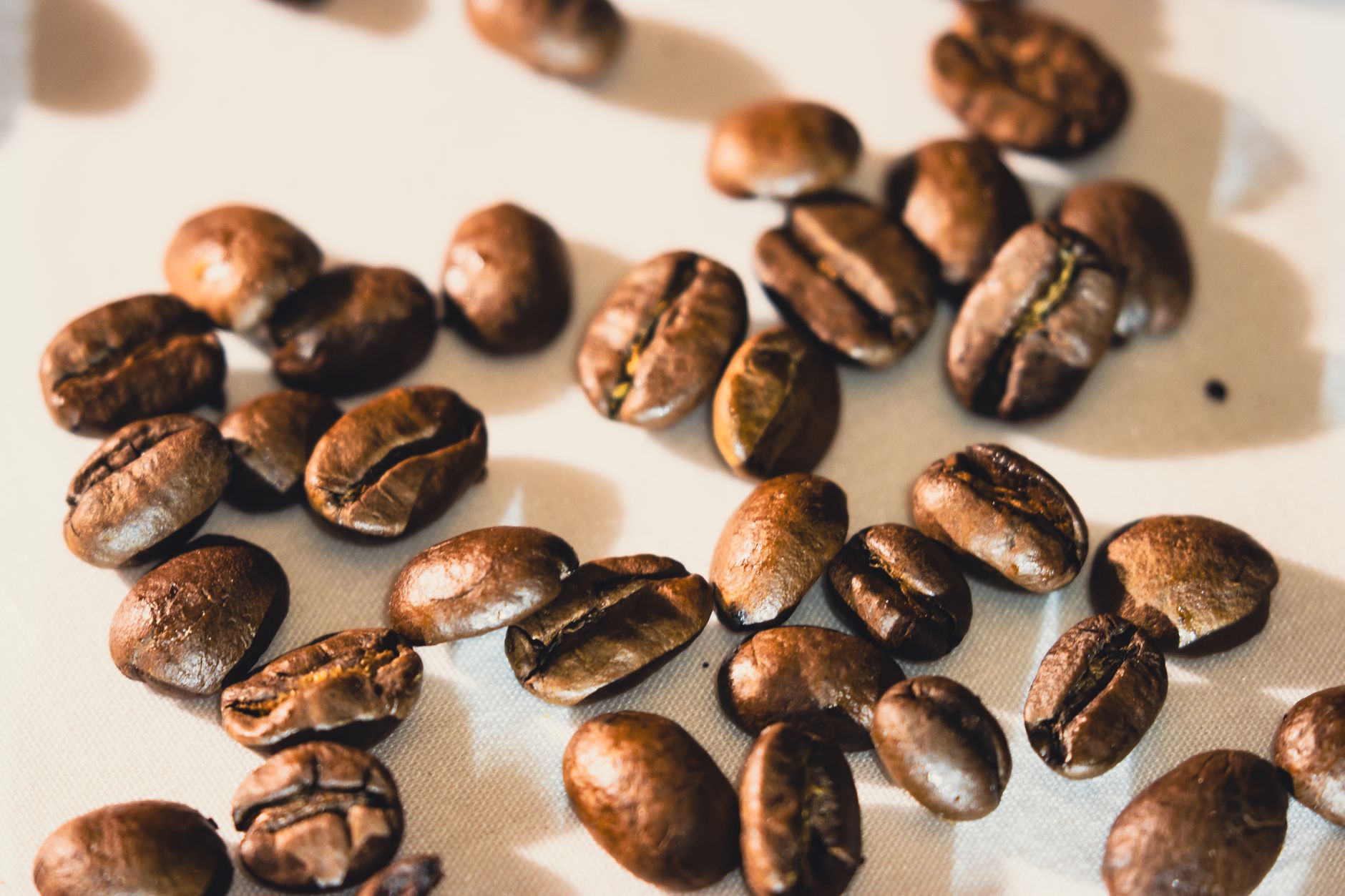
Coffee is one of the most beloved beverages around the globe, with millions starting their day with a warm cup. For many, it’s not just a drink; it’s a ritual infused with cultural significance. Understanding the origins of coffee and where it is produced is crucial for appreciating its depth and flavor.
When asking, “What country produces the most coffee?”, the answer is Brazil. The country has held this title for over 150 years, significantly impacting the global coffee industry. This article will delve into coffee production, explore Brazil’s dominant role, and share insights into varieties, flavor profiles, and how to enjoy your coffee experience.
What Country Produces the Most Coffee?
Brazil is the world’s leading coffee producer, accounting for about one-third of all coffee production globally. This dominance is attributed to its diverse climate, extensive agricultural land, and strong commitment to quality and sustainability. Other notable coffee-producing countries include Vietnam, Colombia, and Indonesia, but none match Brazil’s output.
The Importance of Coffee in Brazil
Brazil’s relationship with coffee dates back to the 18th century. The country quickly became a coffee powerhouse due to its suitable climate and fertile soil. The economy has relied heavily on coffee exports, which touch various aspects of Brazilian culture, from social gatherings to festivals celebrating this cherished beverage.
Regions of Coffee Production
Brazil is home to several key coffee-producing regions, each contributing different flavor profiles and varieties:
- Minas Gerais: Known for smooth and nutty flavors, it is the largest coffee-producing state.
- São Paulo: Produces both high-quality Arabica and Robusta beans, often with fruity notes.
- Espírito Santo: Specializes in robusta coffee, which is stronger and more bitter.
- Bahia: Known for its sweet and fruity beans, often used in specialty coffees.
Understanding Coffee Varieties
Brazil primarily produces two main types of coffee: Arabica and Robusta. Each variety brings its own distinct characteristics, flavors, and uses in beverages.
Arabica Coffee
Arabica is the more popular of the two, known for its sweet, delicate flavors and higher acidity. It makes up about 70% of coffee produced in Brazil. Common flavor notes associated with Arabica include:
- Fruity
- Floral
- Nuts
Arabica beans are typically grown at higher altitudes, which contributes to their elegant flavor profile.
Robusta Coffee
Robusta beans are hardier, with a stronger, more bitter flavor. They contain higher caffeine levels and are often used in espressos and instant coffees. Key characteristics include:
- Earthy
- Spicy
- Chocolatey
Robusta is generally grown at lower altitudes and is more resistant to diseases, making it easier to cultivate in tough conditions.
Coffee Processing Methods
Once harvested, coffee cherries undergo various processing methods that greatly influence flavor. Common methods used in Brazil include:
1. Natural Process
In this method, the coffee cherries are dried in the sun with the fruit still intact. This imparts fruity flavors and a fuller body to the beans.
2. Washed Process
The cherries are pulped, fermented, and washed to remove the fruit before drying. This technique emphasizes the coffee’s inherent acidity and clarity of flavor.
3. Honey Process
This hybrid method removes some, but not all, of the fruit before drying. It balances the fruity sweetness of the natural process with the clarity of the washed method.
How to Brew the Perfect Cup of Coffee
Brewing coffee can seem straightforward, but several factors influence the flavor of your brew. Here’s a guide to help you extract the best flavors from your beans:
Essential Equipment
- Coffee grinder (burr grinder preferred for uniformity)
- Coffee maker (French press, pour-over, or drip)
- Scale for measuring coffee and water
- Kettle for boiling water
Brewing Process
- Measure and Grind: Use a coffee-to-water ratio of about 1:15. Grind the coffee just before brewing to preserve freshness.
- Heat the Water: Use water heated to around 195°F to 205°F (90°C to 96°C) for optimal extraction.
- Add Coffee to Brewer: Place ground coffee in your brewer of choice.
- Pour Water: Slowly pour hot water over the coffee grounds, ensuring even saturation.
- Let Brew: Allow to brew for the recommended time, depending on your method.
- Enjoy: Serve immediately to enjoy the fresh flavors!
Common Mistakes to Avoid
Making coffee at home can lead to a variety of mistakes that compromise quality. Here are some common pitfalls:
- Incorrect Measurements: Too much or too little coffee can drastically affect flavor.
- Old Coffee Beans: Always use fresh beans, ideally roasted within the last month.
- Inconsistent Grind Size: Uniform grind size leads to an even extraction; uneven sizes can cause bitterness.
Exploring Specialty Coffee
As coffee culture continues to evolve, the specialty coffee movement has emerged, focusing on high-quality beans, ethical sourcing, and unique flavor profiles. Brazil plays a pivotal role in this movement, showcasing exceptional coffees that garner international acclaim.
Understanding Flavor Profiles
Specialty coffee emphasizes distinct flavors, often attributed to the unique process, altitude, and terroir. It’s common for these coffees to have tasting notes like:
- African fruits
- Spices
- Dark chocolate
Engaging with the specialty coffee world is a great way to expand your palate, and many roasters offer tasting notes and brewing recommendations.
Eco-Friendly Coffee Practices
With growing concerns about the environmental impact of coffee production, many Brazilian farms are adopting sustainable practices. Organic farming, shade-grown coffee, and fair trade certification are just a few methods employed to ensure that coffee production benefits both the environment and the farmers involved.
Why Choose Sustainable Coffee?
Opting for sustainably sourced coffee helps protect ecosystems and supports local economies. Consumers can find brands that prioritize ethical practices, ensuring they’re contributing to a more responsible coffee industry.
Storing Coffee for Freshness
To enjoy your coffee at its best, proper storage is crucial. Here are some tips:
- Airtight Container: Store coffee beans in an airtight container to prevent oxidation.
- Cool Dark Place: Keep your coffee in a cool, dark place away from light and heat.
- Buy in Small Batches: Purchase only what you can consume within a month or so.
Beverage Ideas Beyond Brewed Coffee
Coffee can be enjoyed in a myriad of ways. Here are a few ideas to elevate your coffee experience:
- Espresso Tonic: A refreshing mix of espresso and tonic water—perfect for warm days.
- Iced Coffee: Brew your coffee, let it cool, and pour over ice with cream or milk for a refreshing drink.
- Coffee Syrup: Use coffee to create a sweet syrup perfect for desserts or breakfast dishes.
Conclusion
Brazil, as the world’s leading coffee producer, showcases an incredible variety of flavors, processing methods, and sustainable practices that enrich the global coffee market. Whether enjoying a freshly brewed cup at home or exploring specialty coffee trends, the journey of coffee from bean to cup is one of cultural significance and complexity.
To further enhance your coffee experience, consider visiting a local coffee shop that specializes in Brazilian coffee or trying the espresso tonic recipe or coffee syrup recipe linked above. Discover the diverse and rich world of coffee, one cup at a time.