
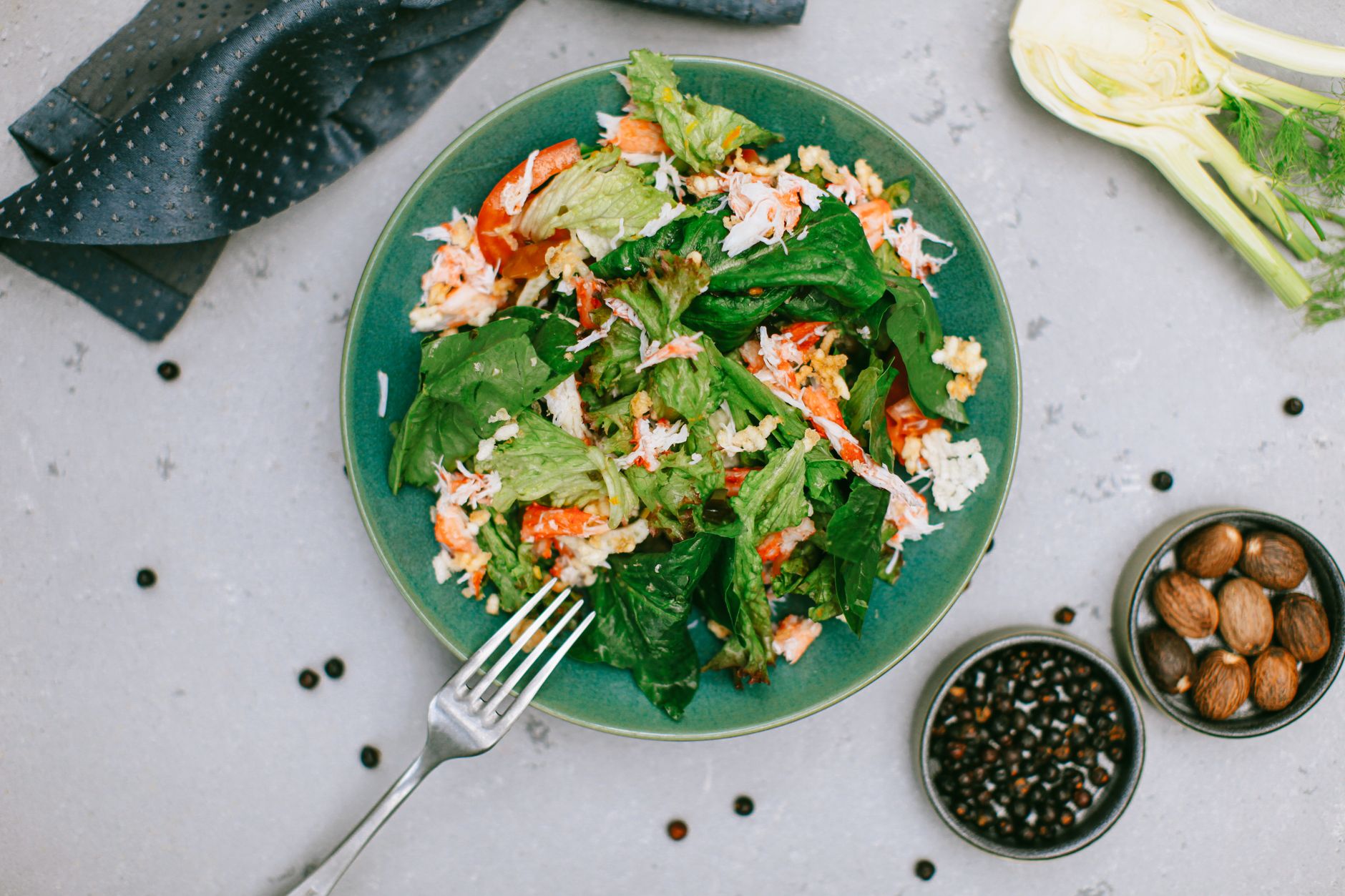
Gastroesophageal reflux disease (GERD) is a common digestive condition where stomach acid flows back into the esophagus, leading to heartburn and discomfort. Choosing the right foods can significantly alleviate symptoms and support overall digestive health. Knowing what to eat if you have GERD is essential for managing this condition effectively.
This article will cover dietary considerations, including recommended foods, meal planning tips, what to avoid, and how to make adjustments for your specific needs. Follow along to create a balanced diet that can help minimize your GERD symptoms.
What to Eat If You Have GERD?
If you have GERD, consider consuming foods that are low in fat and acid, high in fiber, and easy to digest, such as lean proteins, vegetables, and whole grains. Avoiding spicy, fatty, or acidic foods can help reduce symptoms and promote digestive comfort.
Foods to Include in Your Diet
Lean Proteins
Opt for lean protein sources to help maintain muscle mass without aggravating GERD symptoms. Consider these options:
- Skinless chicken or turkey
- Fish and seafood (especially non-fried)
- Tofu and legumes (like beans and lentils)
Fruits and Vegetables
Fruits and vegetables are high in fiber and nutrients, making them key components of a GERD-friendly diet. Favor low-acid options, including:
- Bananas
- Apples (sweet varieties)
- Melons
- Broccoli
- Spinach
- Carrots
Whole Grains
Whole grains provide fiber, which aids digestion. Incorporate these into your meals:
- Brown rice
- Oats
- Quinoa
- Whole grain bread (avoid extra toppings like butter)
Dairy Alternatives
Some people with GERD may experience discomfort from traditional dairy products. Here are some dairy alternatives:
- Almond milk
- Oat milk
- Coconut yogurt (unsweetened)
Healthy Fats
Healthy fats can be included in moderation. Choose sources that are less likely to irritate your stomach:
- Avocados
- Olive oil
- Nuts (almonds, walnuts, in moderation)
Herbs and Seasonings
Instead of using spicy seasonings, enhance flavor with:
- Basil
- Oregano
- Ginger
- Cinnamon
Foods to Avoid
To manage GERD symptoms, it’s critical to avoid specific foods that trigger acid reflux:
High-Fat Foods
Foods high in saturated fats can cause relaxation of the lower esophageal sphincter:
- Fatty cuts of meat
- Full-fat dairy products
- Fried foods
Spicy Foods
Spicy foods can irritate the esophagus and trigger symptoms. Common culprits include:
- Chili peppers
- Hot sauces
- Spicy curries
Acidic Foods and Beverages
Citrus fruits and acidic beverages can increase stomach acidity:
- Citrus juices (orange, lemon, lime)
- Tomatoes and tomato-based products
- Vinegar-based foods
Carbonated Beverages
Carbonated drinks can lead to bloating and pressure in the stomach, exacerbating GERD symptoms:
- Sodas
- Sparkling waters
Caffeinated Beverages
Caffeine can relax the lower esophageal sphincter, contributing to reflux. Caffeinated items to limit include:
- Coffee
- Tea
- Energy drinks
Chocolate and Mint
Both chocolate and mint can also relax the esophageal sphincter, potentially triggering symptoms. Try to avoid:
- Chocolate desserts
- Peppermint teas and candies
Meal Planning Tips for GERD
Creating a meal plan can help you stay within a GERD-friendly diet while ensuring balanced nutrition. Here are some essential tips:
Plan Balanced Meals
Each meal should include a balance of lean proteins, whole grains, and vegetables. This helps to prevent overindulgence and keeps you satisfied.
Smaller Meals
Eating smaller, more frequent meals can help reduce pressure on the stomach, minimizing the risk of acid reflux. Aim for five or six smaller meals instead of the traditional three large ones.
Avoid Late Night Eating
Try to finish your last meal at least three hours before bedtime. This allows for digestion and reduces the chance of reflux while lying down.
Stay Hydrated, But Wisely
While hydration is crucial, limit your intake of beverages during meals, as they can increase stomach distention. Drink water throughout the day instead.
Keep a Food Diary
Consider maintaining a food diary to track what you eat and how you feel afterward. This can help identify specific triggers and make meal planning more effective.
Cooking Techniques to Minimize GERD Symptoms
The way food is prepared can significantly impact its suitability for a GERD-friendly diet. Utilize the following cooking techniques:
Grilling and Baking
Grilling and baking are healthier cooking methods that don’t require added fats. These techniques can help bring out the natural flavors of your ingredients without risks attached.
Steaming
Steaming vegetables helps retain nutrients and reduces the need for added fats. Steamed veggies are easily digestible and gentle on the stomach.
Slow Cooking
Using a slow cooker allows for tenderizing foods without excessive fats. Foods cooked slowly are often more flavorful, making it easier to avoid spicy seasonings.
Blending and Pureeing
Blending or pureeing ingredients can make meals easier to digest. Soups, smoothies, and sauces can be nourishing and GERD-friendly when made with suitable ingredients.
Sample Meal Plan for GERD
Here’s a sample one-day meal plan that aligns well with GERD dietary recommendations:
Breakfast
- Oatmeal with almond milk, topped with sliced bananas and a sprinkle of cinnamon
Snack
- A handful of unsalted almonds or walnuts
Lunch
- Grilled chicken salad with mixed greens, carrots, and a light olive oil dressing
Snack
- Sliced apples with a small serving of almond butter
Dinner
- Quinoa bowl with steamed broccoli, sautéed spinach, and baked fish
Evening Snack (Optional)
- Low-fat coconut yogurt with a small amount of honey
Common Mistakes to Avoid
Be aware of common mistakes that could hinder your efforts to manage GERD through diet:
- Ignoring trigger foods: Identify and avoid your specific triggers rather than assuming they apply to everyone.
- Overconsumption of low-fat options: Low-fat doesn’t always mean healthy. Always check labels for added sugars or irritants.
- Skipping meals: This can lead to overeating later in the day, which may stimulate symptoms.
- Neglecting portion control: Large portions can put excessive pressure on your stomach.
Storage and Reheating Tips
If you prepare meals in advance, proper storage and reheating techniques can maintain their quality and safety:
- Store leftovers in airtight containers and refrigerate them within two hours of cooking.
- Consume refrigerated meals within three to four days to ensure freshness.
- When reheating, ensure the meal is heated thoroughly. Use a food thermometer to check that it reaches an internal temperature of 165°F (74°C).
Conclusion
Managing GERD requires an understanding of your body’s response to various foods as well as careful meal planning. By focusing on lean proteins, whole grains, and low-acid fruits and vegetables, you can enjoy flavorful meals while minimizing discomfort. Be mindful of trigger foods and cooking methods to enhance your digestive health.
For more recipes and cooking tips, explore our delicious chia pudding recipe or try our tasty honey sesame chicken recipe. These options can fit well into your GERD-friendly meal plan and provide variety to your diet.