
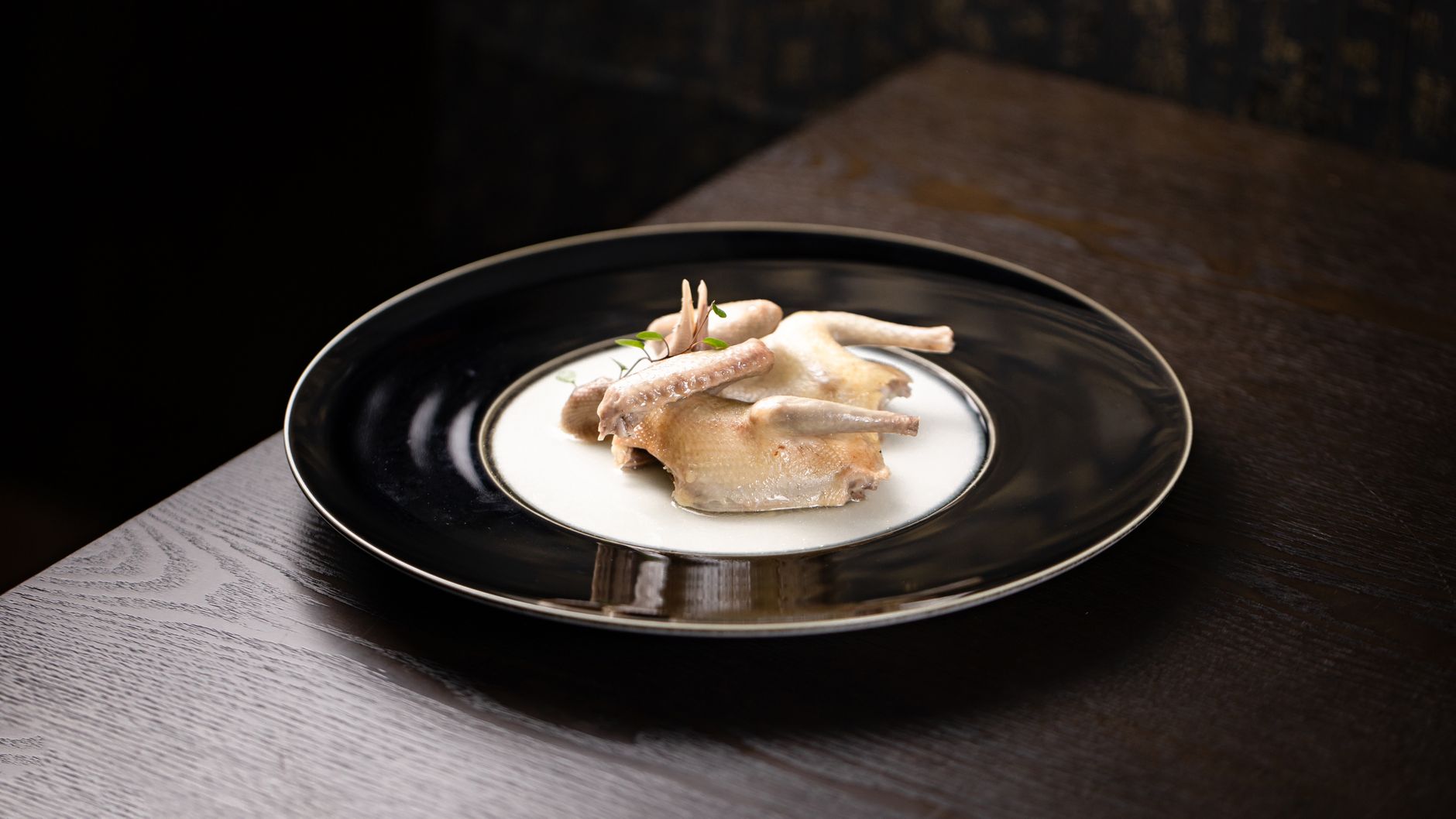
Cooking chicken to perfection requires attention to detail, especially when it comes to ensuring it is safely and properly cooked. This article focuses on the ideal cooking temperatures for chicken, how to check for doneness, and provides insight into different cooking methods. Understanding these elements can help you serve moist, flavorful chicken every time.
Whether you’re roasting a whole chicken, grilling breast fillets, or baking thighs, knowing the critical temperatures will help avoid undercooking and ensure food safety. You’ll find precise guidelines on cooking times and tips for achieving the best results in various preparations.
What Is the Temp When Chicken Is Done?
The safe internal temperature for all poultry products, including chicken, is 165°F (74°C). This temperature is crucial for ensuring that harmful bacteria, such as Salmonella, are eliminated. Chicken is done cooking when it reaches this temperature throughout the thickest part of the meat, whether that’s a chicken breast, thigh, or the whole bird.
Why Is Cooking Chicken to the Right Temperature Important?
Cooking chicken to the correct temperature is essential for two primary reasons: food safety and flavor. Undercooked chicken can harbor harmful bacteria that can lead to foodborne illnesses, while overcooked chicken can become dry and unpalatable.
Understanding Different Cuts of Chicken
Before delving into cooking temperatures and methods, it is essential to understand the various cuts of chicken, as each varies in cooking times and methods. Here are the most common chicken cuts:
- Whole Chicken: Ideal for roasting or grilling.
- Chicken Breasts: Lean and typically cooked quickly.
- Chicken Thighs: Dark meat that provides more flavor and remains moist.
- Chicken Legs (Drumsticks): Flavorful and take longer to cook than breasts.
- Chicken Wings: Great for appetizers, typically cooked quickly.
Cooking Methods for Chicken
Different cooking methods influence the taste and texture of chicken. Below are some common techniques, along with their recommended cooking times and temperatures.
1. Roasting
Roasting is a popular method for cooking a whole chicken. This method allows the skin to get crispy while the meat stays moist.
- Oven Temperature: 375°F (190°C).
- Cooking Time: 20 minutes per pound plus an additional 15 minutes. For example, a 4-pound chicken will take approximately 1 hour and 35 minutes.
2. Baking
Baking chicken parts like breasts, thighs, or legs allows for even cooking without drying them out.
- Oven Temperature: 400°F (200°C).
- Cooking Time: 25 to 30 minutes for chicken breasts; 30 to 40 minutes for thighs and legs.
3. Grilling
Grilling is a great way to impart smoky flavors and achieve a nice char on chicken.
- Grill Temperature: Medium-high heat (about 375°F to 450°F or 190°C to 232°C).
- Cooking Time: 6 to 8 minutes per side for chicken breasts; 10 to 12 minutes for thighs, depending on thickness.
4. Pan-Seared
Pan-searing is an effective method for cooking chicken breasts or thighs quickly while sealing in moisture.
- Heat Level: Medium to medium-high heat.
- Cooking Time: 5 to 7 minutes per side for chicken breasts; 8 to 10 minutes for thighs.
5. Slow Cooking
Using a slow cooker is convenient for chicken preparations, yielding tender and flavorful results.
- Temperature: Low setting (around 200°F or 93°C).
- Cooking Time: 6 to 8 hours on low setting or 3 to 4 hours on high setting.
6. Sous Vide
Sous vide cooking offers precision, allowing you to cook chicken at exact temperatures to maintain juiciness.
- Water Temperature: 140°F (60°C) to 165°F (74°C), depending on desired doneness.
- Cooking Time: 1.5 to 4 hours.
How to Check for Doneness
While cooking times and temperatures provide general guidance, the most reliable way to check chicken doneness is using a meat thermometer. Here’s how to do it effectively:
- Insert the thermometer into the thickest part of the chicken (for whole birds, this is usually in the thigh or breast).
- Avoid touching bone with the thermometer tip, as this can produce an incorrect reading.
- Remove the chicken from the heat immediately once it reaches 165°F (74°C).
- Let the chicken rest for at least 5 minutes before carving, which allows the juices to redistribute.
Common Mistakes When Cooking Chicken
Several common mistakes can lead to improperly cooked chicken. Being aware of these can help you avoid pitfalls:
- Not Using a Thermometer: Relying solely on color or texture is risky. Use a meat thermometer for accuracy.
- Cooking from Refrigeration: Cooking cold chicken directly from the fridge can lead to uneven cooking. Allow chicken to come to room temperature for more even cooking.
- Crowding the Pan: Cooking too many pieces at once can trap steam, preventing browning and proper cooking.
- Not Resting Chicken: Failing to let chicken rest can result in dry meat as the juices spill out during cutting.
Flavor Enhancements: Marinades and Brines
Marinating or brining chicken can enhance the flavor and juiciness of the meat. Here’s a brief overview of each method:
Marinades
Marinades typically contain acidic components (like vinegar or citrus), oil, and spices to tenderize and flavor the chicken.
- Time: Marinate for at least 30 minutes, up to 12 hours for optimal flavor.
Brines
Brining involves soaking chicken in a saltwater solution, which can help it retain moisture during cooking.
- Time: Brine for 1 to 6 hours; do not exceed 12 hours to prevent overly salty meat.
Storage and Reheating Tips
Proper storage of cooked chicken is crucial to maintain quality and food safety. Here are some tips:
- Refrigeration: Store cooked chicken in an airtight container in the refrigerator. It can last for 3 to 4 days.
- Freezing: Freeze cooked chicken in a freezer-safe container for up to 4 months.
- Reheating: When reheating, ensure the chicken reaches 165°F (74°C) to ensure safety.
Meal Ideas Using Cooked Chicken
Cooking chicken in larger batches can save time during the week. Here are some meal ideas that utilize cooked or leftover chicken:
- Chicken Salad: Combine shredded chicken with mayonnaise, celery, grapes, and nuts for a quick sandwich filler.
- Chicken Stir-Fry: Toss diced cooked chicken with your favorite vegetables and stir-fry sauce.
- Chicken Tacos: Use cooked chicken in tacos with avocado, salsa, and cheese.
- Chicken Soup: Add shredded chicken to vegetable broth with noodles and herbs for a hearty soup.
Cooking chicken doesn’t have to be fraught with uncertainty. By understanding the appropriate temperature when chicken is done and incorporating proper checking methods, your meals can be both safe and delicious. No more dry chicken or uncertainty about doneness!
Now that you know the ins and outs of chicken cooking temperatures, you can confidently prepare a variety of dishes. For more tips on cooked chicken storage, check out how long does cooked chicken last, or enhance your cooking skills with precise chicken leg cooking times at 400 degrees.