
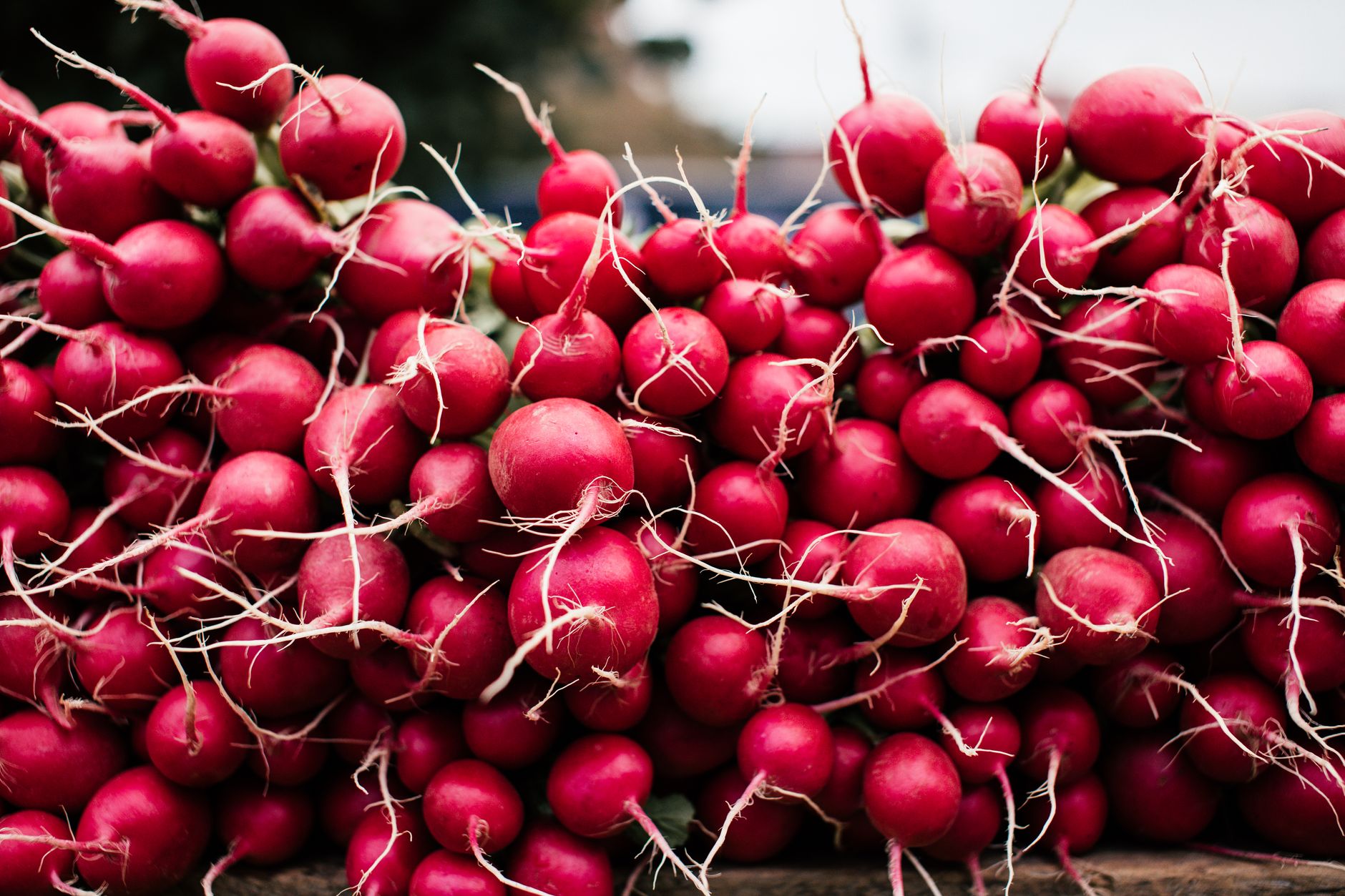
Radishes are often overlooked in the garden and at the grocery store, yet they offer a multitude of benefits beyond their crunchy texture and peppery flavor. Known for their vibrant colors—from classic red and white to purple and black—these little root vegetables pack a nutritional punch. But what do radishes actually do for you? Let’s explore their taste, texture, and versatile kitchen uses.
This article will delve into the unique characteristics of radishes, share some ways to incorporate them into your meals, and cover their nutritional benefits. Whether you are a fan of these root vegetables or someone looking to experiment with new ingredients, this guide is for you.
What Do Radishes Do for You?
Radishes are not only low in calories but also rich in essential nutrients, making them an excellent addition to a healthy diet. They are known to aid digestion, support heart health, and may even have cancer-fighting properties due to their high antioxidant content. Rich in vitamin C, folate, and potassium, radishes also contribute to maintaining a balanced diet.
Understanding the Taste and Texture of Radishes
The flavor profile of radishes is quite distinct. They offer a crisp, refreshing crunch and a peppery bite that can lighten up many dishes. Different varieties present different tastes; for example, red radishes are mildly spicy, while black radishes tend to have a bolder kick.
Types of Radishes
- Red Radishes: The most common type, they are small, round, and have a bright red skin with a crisp white interior. Their flavor is mildly spicy.
- Daikon Radishes: Popular in Asian cuisines, these long white radishes are milder and are often used in salads or pickled.
- Black Radishes: Larger and with a rough skin, they have a strong flavor and can be used in soups or roasted.
- Watermelon Radishes: These stunning radishes feature a greenish exterior and a pink-center, offering a sweet and mild flavor.
Health Benefits of Radishes
Radishes provide a range of nutritional benefits that support overall health. Below are some key advantages:
Nutritional Profile
Radishes are composed primarily of water, which makes them very low in calories—about 16 calories per cup. They are also a good source of vitamins and minerals:
- Vitamin C: Essential for immune function and skin health.
- Folate: Important for cell division and during pregnancy.
- Potassium: Helpful in regulating blood pressure and heart health.
- Antioxidants: Compounds that help fight oxidative stress in the body.
Digestive Health
The high fiber content in radishes promotes good digestive health. Fiber aids in regular bowel movements and helps prevent constipation. Radishes also have a high-water content that contributes to hydration and digestive wellness.
Heart Health
Radishes contain compounds called glucosinolates, which may play a role in reducing cholesterol levels and improving heart health. Their potassium content is also beneficial for maintaining healthy blood pressure.
Potential Anti-Cancer Properties
Some studies suggest that the antioxidants and compounds found in radishes, such as isothiocyanates, may inhibit the growth of certain cancer cells. While more research is needed, it indicates that radishes could play a supportive role in a cancer-fighting diet.
Incorporating Radishes into Your Diet
Adding radishes to your meals is easy and can elevate a variety of dishes. Below are some practical tips to get started.
Raw Consumption
- Salads: Slice radishes into thin rounds and toss them into salads for a crunchy texture.
- Snacks: Enjoy radishes whole with hummus or yogurt dip for a healthy snack.
- Sandwiches: Add radish slices to sandwiches or wraps for an extra crunch.
Cooked Uses
- Roasting: Roasting radishes mellows their flavor and enhances sweetness. Toss halved radishes with olive oil, salt, and pepper, then roast until tender.
- Stir-frying: Add sliced radishes to stir-fries for a quick and colorful addition.
- Soups: Incorporate radishes in soups, they add a subtle peppery flavor to broths and purees.
Pickling Radishes
Pickling is an excellent way to preserve radishes and intensify their flavor. Here’s a simple quick-pickling recipe:
Quick Pickled Radishes Recipe
This recipe creates tangy, crunchy pickled radishes that brighten up any dish.
Ingredients
- 1 cup radishes, thinly sliced
- 1 cup vinegar (apple cider or white vinegar)
- 1 tablespoon sugar
- 1 teaspoon salt
- 1 clove garlic, sliced (optional)
- 1 teaspoon black peppercorns (optional)
Instructions
- In a pot, combine the vinegar, sugar, salt, garlic, and peppercorns. Heat until the sugar and salt dissolve, then remove from heat.
- Place the sliced radishes in a jar and pour the vinegar mixture over them. Make sure the radishes are covered.
- Let it cool to room temperature, then refrigerate for at least an hour before serving.
Storage Tips
To keep radishes fresh, store them in a perforated plastic bag in the vegetable crisper of your refrigerator. They can last up to two weeks when stored properly. Avoid washing radishes until you’re ready to use them, as excess moisture can cause them to spoil faster.
Common Mistakes with Radishes
While radishes are relatively simple to work with, there are some common pitfalls to avoid:
- Overcooking: Radishes should retain their crispness, even when cooked. Avoid boiling them for too long.
- Storing improperly: As mentioned, moisture is a enemy, so keep them dry until ready to use.
- Ignoring the greens: Radish tops are edible and can be used in salads, pestos, or sautéed as a nutritious addition.
Radishes in Regional Cuisines
Radishes play a significant role in various culinary traditions worldwide:
Asian Cuisine
In countries like Japan and Korea, radishes are pickled or served raw as a side dish. In Korea, daikon radish is often found in kimchi or as a flavorful ingredient in stews.
Mexican Cuisine
Radishes are celebrated in Mexican dishes, often served sliced with tacos or in salads. They also feature in the traditional dish “Tzic de venado,” a mixture of deer meat, fish, and radishes.
European Cuisine
In many European countries, radishes are used in salads and as a garnish. French cuisine often features radishes served with butter and salt as a simple yet elegant appetizer.
Conclusion
Radishes are versatile vegetables that can enhance many dishes while providing numerous health benefits. Their unique flavor, coupled with a satisfying crunch, makes them an ideal component in salads, snacks, or as a side. By understanding their uses, storage, and preparation methods, you’ll be more equipped to enjoy this often-overlooked ingredient in your daily meals.
Now that you’ve learned all about radishes, consider exploring related recipes and cooking tips to elevate your culinary experience, such as coconut milk chia pudding or the benefits of chia seeds.