
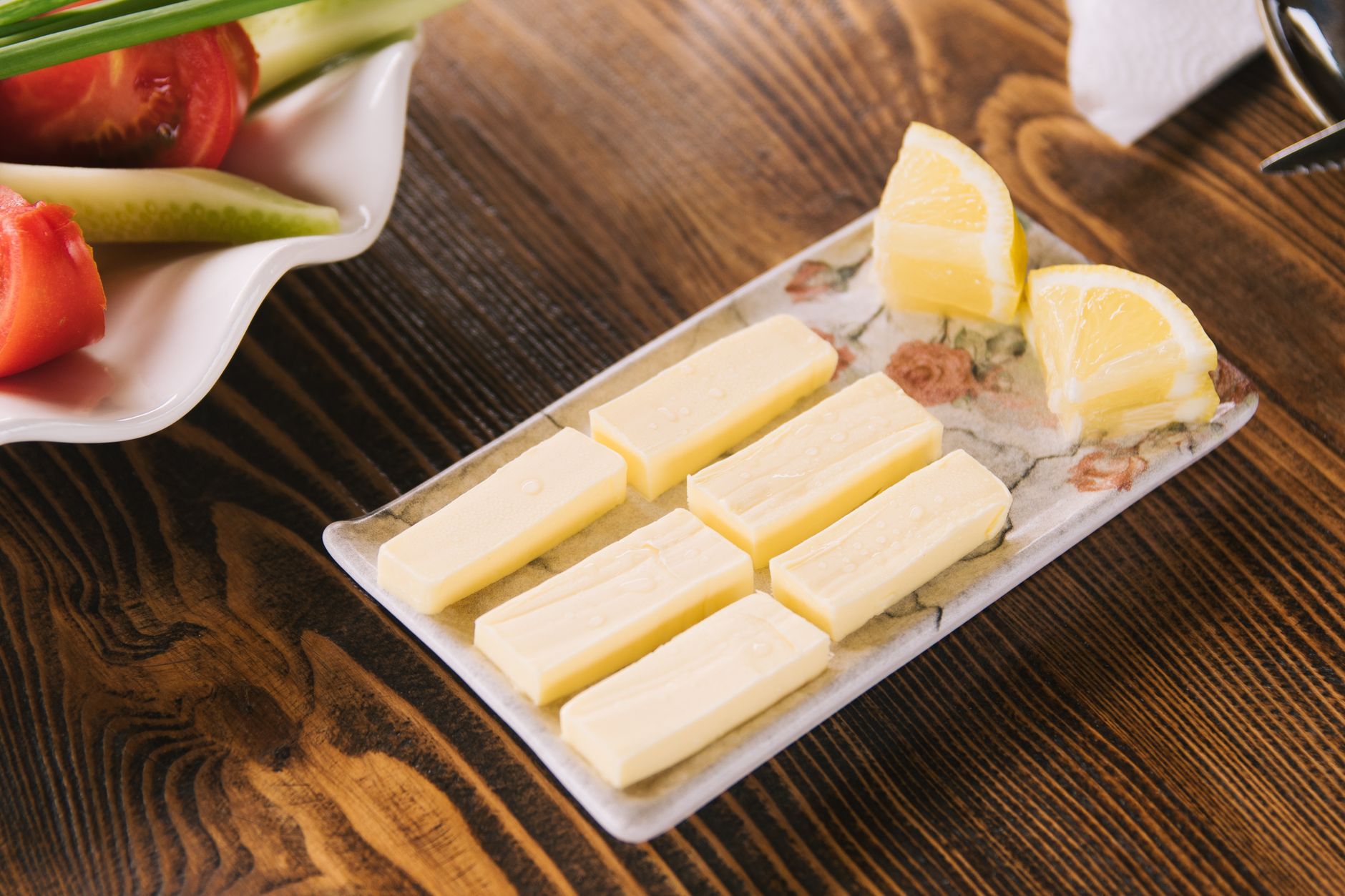
Is butter a fat? Yes, butter is indeed a fat that plays a vital role in cooking and baking. Generally made from cow’s milk, it consists predominantly of milk fat, along with water, milk proteins, and sometimes salt, depending on the variety. Understanding butter’s properties, uses, and the role it plays in various culinary applications can enhance your food preparation skills.
This article delves into what butter is, its composition, various types, cooking methods, and creative uses in meals. We will also touch on how to store butter properly and explore alternatives if needed.
What is Butter?
Butter is a dairy product that is created by churning cream into a semi-solid state. When cream is churned, the fat molecules agglomerate, separating from the liquid, known as buttermilk. The final product is a rich, creamy substance that is a staple in numerous kitchens around the world.
The Composition of Butter
Butter typically contains about 80% fat, with the remaining 20% being made up of water and milk solids (proteins and carbohydrates). This high-fat content is what makes butter an excellent cooking fat, providing moisture, flavor, and richness to dishes.
Components of Butter
- Milk Fat: The primary ingredient, responsible for flavor and texture.
- Water: Helps in the emulsification process, creating a creamy consistency.
- Milk Solids: These include lactose and proteins, contributing to browning and flavor when cooked.
- Salt: Often added for flavor, but unsalted varieties are also common, especially in baking.
Types of Butter
There are several types of butter available in the market, each with unique characteristics that can affect cooking and baking.
1. Unsalted Butter
This type of butter contains no added salt, making it an ideal choice for baking where precise control of salt levels is necessary. It allows bakers to add salt separately according to their taste preferences.
2. Salted Butter
Salted butter contains added salt for flavor preservation. It’s commonly used as a table spread and is great for everyday cooking, but be cautious when using it in baking recipes that require precise measurements.
3. Clarified Butter
Clarified butter is made by simmering unsalted butter to separate the milk solids and water from the fat. The result is a pure fat that has a higher smoke point and can be used for frying or sautéing. To learn how to clarify butter, check out this clarified butter recipe.
4. Ghee
Ghee is a type of clarified butter that originates from Indian cuisine. It is cooked longer than standard clarified butter, which gives it a distinct nutty flavor. Ghee has a very high smoke point, making it excellent for high-heat cooking.
5. European Style Butter
This butter has a higher fat content than standard butter (about 82-86%). It offers a richer flavor and creamier texture, making it perfect for pastry and gourmet cooking.
Cooking with Butter
Butter is extremely versatile and can be used in a variety of cooking methods. Understanding how to use butter effectively can enhance your dishes significantly.
1. Sautéing
When sautéing, butter adds flavor and richness to your ingredients. Use medium heat to prevent the butter from burning. If you are cooking at a higher temperature, consider adding oil to raise the smoke point.
2. Baking
Butter is crucial in many baking recipes, providing structure, moisture, and flavor. Make sure to soften or melt it according to the recipe’s requirements.
3. Browning
Browning butter before use adds a nutty flavor to dishes. To brown butter, melt it gently in a saucepan over medium heat, stirring frequently until it turns a rich golden color and emits a nutty aroma. Use this browned butter in cookies, sauces, or as a drizzle over vegetables.
4. Emulsifying
Butter plays a key role in creating emulsions, such as in sauces like hollandaise. When emulsifying, whisk the butter while slowly adding it to the other ingredients to achieve a smooth consistency.
Serving Ideas for Butter
Butter can be a star ingredient or a supporting player in recipes. Here are some creative serving ideas:
1. Compound Butter
Compound butter is made by mixing softened butter with herbs, spices, or other flavorings. Some popular combinations include:
- Garlic and parsley for steak.
- Honey and cinnamon for pancakes or waffles.
- Lemon zest and thyme for fish dishes.
Simply mix your ingredients into softened butter, shape it into a log, wrap it in parchment paper, and chill until set. Slice off pieces as needed for a burst of flavor.
2. Butter on Vegetables
Drizzling melted butter over steamed vegetables enhances their natural flavors. Consider adding lemon juice, garlic, or a sprinkle of herbs for a more vibrant taste.
3. Baking Dishes
Use butter generously in baked goods such as muffins, cakes, and biscuits. The fat ensures a tender texture and delicious flavor. For instance, butter swim biscuits showcase butter’s unique role in creating a rich and flaky biscuit.
4. Sauce Making
In sauces, butter can add a glossy finish and a rich flavor. Stir in some cold butter at the end of cooking to create a glossy texture in sauces like pan sauces or reductions.
Storing Butter Properly
Storing butter correctly is essential to maintain its quality, flavor, and freshness.
1. Refrigeration
Butter should be refrigerated to slow down the oxidation process. Wrapped tightly in its original packaging and placed in an airtight container, it can last for several months.
2. Freezing
If you plan to keep butter for an extended period, consider freezing it. Wrapped securely in foil or freezer-safe bags, butter can be stored in the freezer for up to a year.
3. Room Temperature
Unsalted butter can be kept at room temperature for a limited time (around one to two weeks) if stored in a butter dish with a lid. This allows for easy spreading but should be monitored to prevent spoilage.
Substituting Butter
In some cases, you may need to replace butter with alternatives; understanding their similarities and differences will help adapt your recipes successfully.
1. Margarine
Margarine, made from vegetable oils, can be used as a direct substitute for butter in most recipes. However, it often contains higher water content and less flavor, so consider adjusting the recipe accordingly.
2. Coconut Oil
Coconut oil is a popular substitute for butter in vegan recipes. Use a 1:1 ratio, but remember that coconut oil adds a slight coconut flavor and can affect texture in baked goods.
3. Applesauce
For a healthier alternative in baking, you can replace melted butter with unsweetened applesauce. Use half the amount of applesauce for butter but expect a denser texture and a different flavor.
4. Avocado
Avocado can also stand in for butter in baked goods, using a 1:1 substitution. It adds healthy fats and a subtle flavor, but the batter texture may vary.
Common Mistakes with Butter
While butter is straightforward to use, several common pitfalls can undermine your efforts.
1. Overheating
When melted, butter can burn easily if overheated, leading to an undesirable taste. Always melt it gently over low to medium heat and watch it closely.
2. Not Soften Enough
Using butter that isn’t sufficiently softened can lead to uneven mixing in baked goods, affecting the overall texture. Allow butter to sit at room temperature until soft, typically about 30 minutes before baking.
3. Knocking Off Cookies
When using butter in cookie recipes, do not overbeat the dough after adding flour, as it can lead to a tougher cookie. Mix until just combined for the best results.
Conclusion
Butter is an essential fat that enhances the flavor and texture of numerous dishes. Understanding its properties, various types, and ideal uses can elevate your cooking and baking endeavors. Always store butter properly, consider alternatives if necessary, and be wary of common mistakes to make the most of this beloved ingredient.
Explore further with our butter-focused recipes and tips, including detailed guides on clarified butter and delicious butter swim biscuits. Expand your cooking skills and enhance your meals!