
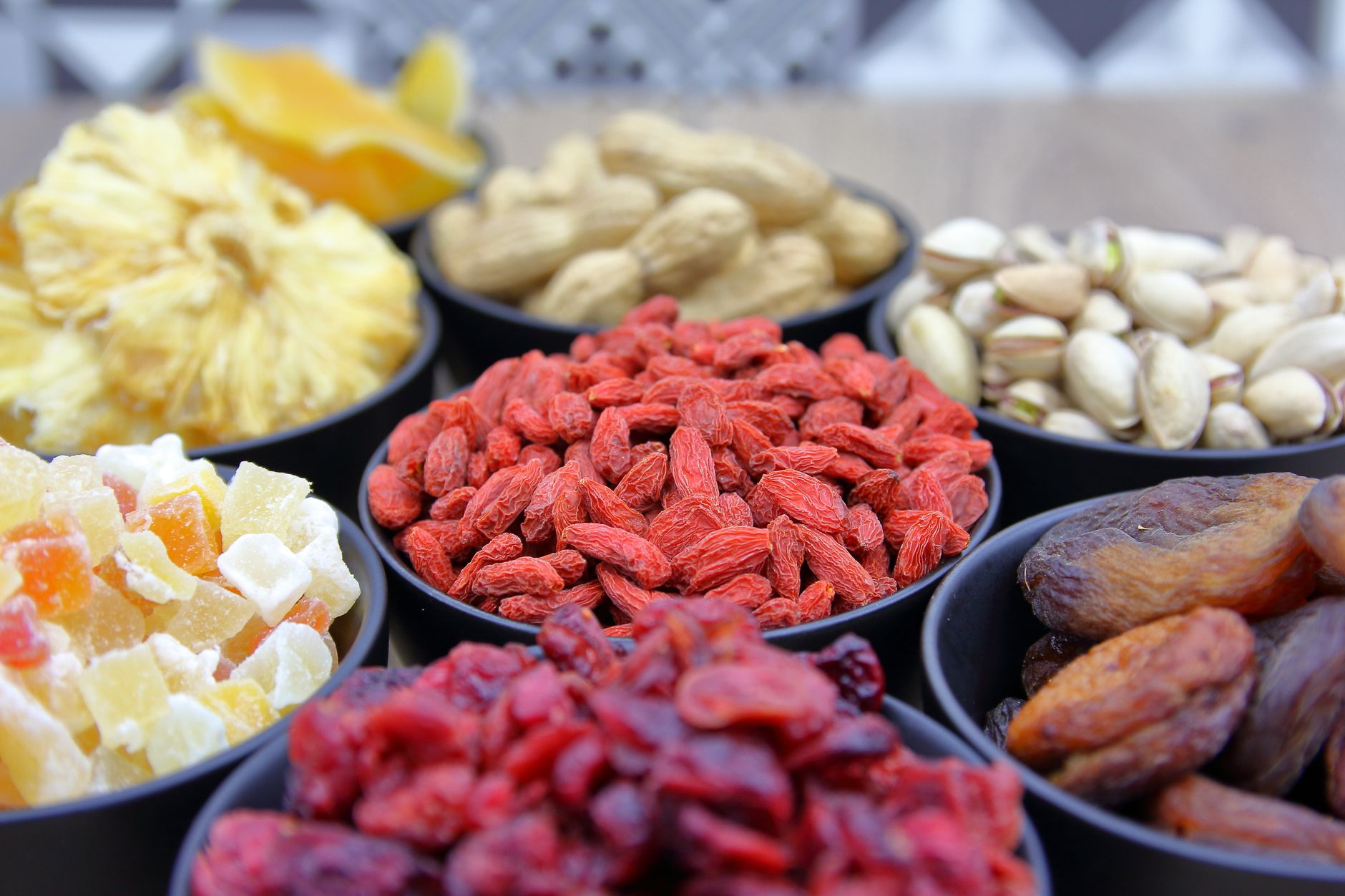
Pistachios have long been a popular snack, prized for their unique flavor and delightful crunch. If you’ve ever enjoyed a bowl of these green nuts, you may have noticed some were a vivid red color. This practice of dyeing pistachios red has a fascinating history and purpose, primarily related to marketing, harvesting practices, and consumer perception.
In this article, we’ll explore why pistachios were dyed red, the implications of this practice, and how it has shaped our modern understanding and use of pistachios in culinary applications.
Why Did They Dye Pistachios Red?
The tradition of dyeing pistachios red can be traced back to the 20th century. The primary reason pistachios were dyed was to cover imperfections and enhance their visual appeal to consumers. The red dye helped to mask any blemishes and made the nuts look more attractive on store shelves.
Marketing strategies also played a significant role. In an era when colorful packaging and vibrant products were highly valued, the red hue helped pistachios stand out against other snacks. While people assumed that the red coloration was inherent to the nut, it was actually a marketing ploy designed to grab attention.
The Process Behind the Dyeing
The process of dyeing pistachios red involves adding food-safe coloring agents to the nuts after they are harvested and dried. Traditionally, pistachios are harvested when they are at their ripest, resulting in a range of hues from muted greens to browns. To make the nuts appear more uniform in color and visually appealing, manufacturers would apply dyes.
The dyeing process typically involves the following steps:
- Harvesting: The pistachios are collected when fully ripe. Any nuts that may be damaged are sorted out for dyeing.
- Drying: After harvesting, pistachios are dried to reduce moisture content, which helps preserve them longer.
- Dyeing: Food-safe dyes are mixed with a solution and sprayed or soaked onto the pistachios. The nuts are then allowed to dry, setting the color.
- Packing: After the dyeing process, the colored pistachios are packaged for sale and distribution.
The Shift in Consumer Preferences
As consumer preferences evolved, so too did the pistachio market. By the late 20th century, a shift towards natural foods led to a decline in the demand for dyed pistachios. Consumers began to favor nuts that appeared more natural and less processed. Consequently, many companies stopped dyeing their pistachios altogether.
The current market offers both dyed and undyed (natural) pistachios. Buyers can often choose based on their preferences; those who value the aesthetic appeal of bright colors may still opt for red-dyed pistachios, while others prefer the more natural look of uncolored nuts.
Culinary Uses of Pistachios
Pistachios are versatile nuts that can be used in a variety of culinary applications beyond snacking. Here are several exciting ways to incorporate them into your cooking:
1. Snacks and Appetizers
Pistachios can be served simply roasted or salted as a delicious snack. They can also be incorporated into charcuterie boards, providing an appealing crunch and complementing various cheeses and cured meats.
2. Salads
Adding chopped or whole pistachios to salads can enhance both flavor and texture. Their nuttiness pairs well with greens, fruits, and even grains. Try sprinkling pistachios over a spinach salad with strawberries and feta for an added crunch.
3. Pasta Dishes
Finely chopped or ground pistachios can be used to make sauces or pestos. A pistachio pesto can add a unique twist to pasta dishes and can also be used as a spread or dip.
4. Desserts
Pistachios can elevate desserts especially well. From ice creams to cookies to cakes, their flavor and color can make any dish more appealing. Consider incorporating pistachios into baklava or topping a chocolate mousse with crushed nuts for added texture.
5. Garnish and Finishing Touches
Chopped pistachios can serve as a garnish for soups, dips, or roasted vegetables. A sprinkle of pistachios adds visual appeal and a crunch that contrasts well with softer textures.
Practical Tips for Cooking with Pistachios
If you’re looking to incorporate pistachios into your cooking, keep these tips in mind:
- Combining Flavors: Pistachios pair well with Mediterranean flavors and can enhance dishes with citrus, garlic, herbs, and cheeses.
- Pairing with Spices: Consider using spices like cumin, coriander, or even saffron when cooking with pistachios to enhance their nutty flavor.
- Buying Tips: When purchasing pistachios, look for nuts that are firm and have a slightly glossy appearance. Avoid those that are shriveled or too dry.
- Storing Nuts: Store pistachios in an airtight container in a cool, dark place. They can also be frozen to extend their shelf life, ensuring they retain their flavor and crunch.
Complementary Ingredients for Pistachios
Here are several complementary ingredients and flavors that go well with pistachios:
- Fruits: Dried fruits like apricots, figs, and dates pair fantastically with pistachios.
- Cheese: Creamy cheeses such as goat cheese and ricotta create an excellent combination when paired with the texture of pistachios.
- Chocolate: Dark chocolate and pistachios are a classic combination, especially in desserts.
Common Mistakes When Cooking with Pistachios
While utilizing pistachios in your cooking, be mindful of these common mistakes:
- Over-roasting: Nuts can easily go from perfectly toasted to burnt. Watch them closely to avoid undesired bitterness.
- Ignoring Allergies: Ensure guests are aware of nut allergies; pistachios can cause serious allergic reactions in some individuals.
- Excessive Salt: If using salted pistachios in a dish, adjust additional salt to taste to avoid overpowering the dish with saltiness.
Creative Recipe Ideas with Pistachios
To further inspire your culinary adventures with pistachios, here are some creative recipe ideas to try:
Pistachio Pesto
This vibrant twist on traditional basil pesto is delicious and easy to make:
- Ingredients:
- 1 cup fresh basil
- 1/2 cup shelled pistachios
- 1/2 cup Parmesan cheese
- 1/2 cup olive oil
- 1 garlic clove
- Salt and black pepper to taste
- Instructions:
- In a food processor, combine basil, pistachios, Parmesan, and garlic.
- Pulse until finely chopped while gradually adding olive oil until desired consistency is reached.
- Season with salt and black pepper to taste.
Pistachio-Crusted Salmon
This dish combines the rich taste of salmon with the crunch of pistachios, resulting in a delightful main course:
- Ingredients:
- 4 salmon fillets
- 1 cup finely chopped pistachios
- 1/2 cup breadcrumbs
- 2 tablespoons Dijon mustard
- Salt and pepper to taste
- Instructions:
- Preheat the oven to 400°F (204°C).
- In a bowl, mix chopped pistachios and breadcrumbs.
- Season the salmon fillets with salt and pepper, then spread a thin layer of Dijon mustard on the top side.
- Press the pistachio mixture onto the mustard-coated side of the salmon.
- Place the salmon on a baking sheet and bake for 12-15 minutes or until the salmon flakes easily with a fork.
Are Red-Dyed Pistachios Safe to Eat?
Yes, red-dyed pistachios sold in stores are safe to eat. The dyes used are food-grade and approved for consumption. However, if you prefer to avoid colors and additives, choosing natural, undyed pistachios is always a great option.
Final Thoughts on Pistachios
Pistachios are an outstanding ingredient that can add flavor, texture, and color to numerous dishes. While the practice of dyeing them red has historical roots, today’s consumers have a choice between vibrant and natural options. Regardless of the type you select, their versatility makes them a valuable addition to your pantry.
Consider trying out a pistachio latte or pistachio pesto in your next meal for something delicious. Their rich flavor and texture can transform even the simplest meals into something special. For more recipes and cooking tips, explore our ideas for a pistachio latte or a thrilling pistachio pesto.