
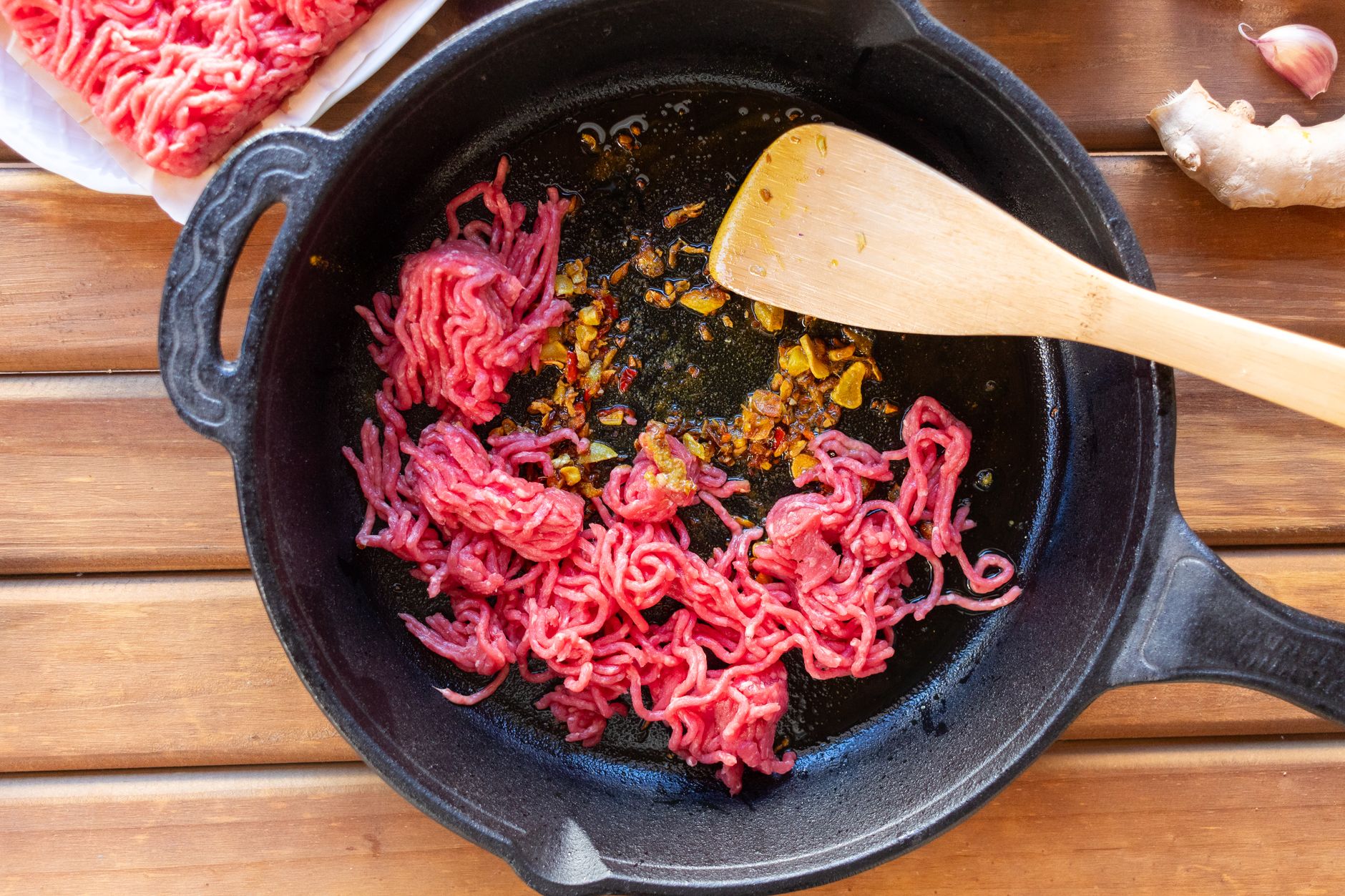
Using coconut oil to season cast iron is an intriguing option for cookware enthusiasts looking for alternatives to traditional oils. It offers unique flavors and potential benefits that can enhance your cooking experience. However, it’s essential to understand how to properly season cast iron with coconut oil to achieve the best results.
This article will explore the practicality of using coconut oil for seasoning cast iron skillets, including instructions, benefits, and some recipe ideas that will highlight your well-seasoned cookware.
Can I Use Coconut Oil to Season Cast Iron?
Yes, you can use coconut oil to season cast iron. Coconut oil contains a high saturated fat content, which can help create a durable and non-stick surface when properly applied. However, it’s crucial to follow specific steps to achieve optimal seasoning results.
Understanding Seasoning
Seasoning cast iron involves applying oil to form a hard, protective layer that improves the skillet’s non-stick properties and prevents rust. When heated, the oil undergoes a process called polymerization, in which the fats bond to the metal’s surface, creating a smooth, durable coating.
Different oils have varying smoke points and flavor profiles, which can affect the cooking experience. Coconut oil, for instance, has a smoke point ranging from 350°F to 450°F, depending on its refinement. Its mild flavor adds a slight sweetness, which can enhance various dishes.
Benefits of Using Coconut Oil
- High Smoke Point: Refined coconut oil has a higher smoke point than many unrefined oils, making it suitable for high-heat cooking.
- Flavor: Coconut oil imparts a subtle tropical flavor that can complement numerous dishes.
- Health Benefits: Coconut oil contains medium-chain triglycerides (MCTs) that some studies suggest may be beneficial for metabolism and energy.
- Non-toxic: Coconut oil is safe and offers a natural option for seasoning without chemical additives.
How to Season Cast Iron with Coconut Oil
Seasoning a cast iron skillet with coconut oil requires some basic steps. Ensure that your cast iron is clean and dry before proceeding.
What You’ll Need
- Cast iron skillet
- Refined coconut oil (unrefined will have a lower smoke point)
- Aluminum foil or a baking sheet
- Paper towels or a clean cloth
- Oven
Step-by-Step Instructions
- Preheat the Oven: Preheat your oven to 400°F (204°C) to prepare for the seasoning process.
- Clean the Skillet: If your cast iron skillet is new, clean it with warm water and a gentle scrub brush to remove any manufacturing residues. For older pans, remove rust or old seasoning with steel wool or a scraper, then wash it thoroughly.
- Dry Completely: After washing, dry the skillet completely. You can place it on a low heat burner for a few minutes to ensure all moisture evaporates.
- Apply Coconut Oil: Using paper towels or a cloth, apply a thin layer of refined coconut oil to the entire surface of the skillet, including the handle and the exterior. Avoid excess oil, as this can lead to a sticky finish.
- Remove Excess Oil: Wipe off any excess oil with a clean paper towel. The skillet should look slightly shiny but not puddly with oil.
- Bake the Skillet: Line a baking sheet or place aluminum foil on the bottom rack of the oven to catch any drips. Place the skillet upside down on the middle rack of the preheated oven. Bake for one hour. This process helps to polymerize the oil and bond it to the cast iron.
- Cool Down: After one hour, turn off the oven and allow the skillet to cool in the oven with the door slightly ajar. This gradual cooling prevents cracking.
- Repeat if Necessary: Depending on your skillet’s condition, you may need to repeat this process two or three times for optimal seasoning.
Common Mistakes to Avoid
- Using Too Much Oil: Applying excess coconut oil can lead to a sticky surface instead of a smooth, non-stick finish. Always use a thin layer.
- Not Preheating the Oven: Skipping the preheating step can prevent proper oil polymerization, leading to ineffective seasoning.
- Using Unrefined Coconut Oil: Unrefined coconut oil has a lower smoke point and may not provide a strong coating. Stick to refined oil for best results.
Maintaining Your Seasoned Cast Iron Skillet
Once your cast iron skillet is seasoned with coconut oil, proper maintenance will extend its lifespan and cooking performance. Here are some tips to keep your skillet in top shape:
- Cleaning: After cooking, clean your skillet with warm water and a non-abrasive sponge. Avoid soap, as it can strip the seasoning.
- Drying: Thoroughly dry the skillet immediately after washing to prevent rust.
- Re-seasoning: If you notice food starting to stick or the surface looking dull, it may be time to re-season. Follow the steps outlined above.
Recipe Ideas to Try with Your Seasoned Skillet
Now that you have seasoned your cast iron skillet with coconut oil, you can explore various recipe ideas that highlight its capabilities. Here are a few suggestions:
Coconut Oil Pancakes
Light, fluffy pancakes with a hint of coconut flavor make for a delightful breakfast.
Ingredients
- 1 cup all-purpose flour
- 2 tablespoons sugar
- 2 tablespoons baking powder
- 1/4 teaspoon salt
- 1 cup milk (or coconut milk for added flavor)
- 1 large egg
- 2 tablespoons refined coconut oil, melted
Instructions
- In a mixing bowl, combine the flour, sugar, baking powder, and salt.
- In another bowl, whisk together the milk, egg, and melted coconut oil.
- Pour the wet ingredients into the dry ingredients and stir until just combined.
- Preheat your seasoned cast iron skillet over medium heat. Once hot, ladle in the pancake batter, cooking until bubbles form on the surface.
- Flip and cook for an additional minute until golden brown. Repeat with the remaining batter.
Coconut Oil Fried Eggs
A perfect way to start your day with a delicious breakfast option using your seasoned skillet.
Ingredients
- 2 large eggs
- 1 tablespoon refined coconut oil
- Salt and pepper to taste
Instructions
- Heat the cast iron skillet over medium-low heat and add the coconut oil.
- Once the oil is hot and melted, crack the eggs into the pan.
- Season with salt and pepper, and cook until the whites are set, but the yolks are still slightly runny, about 3-4 minutes.
- Serve immediately, and enjoy your eggs on toast or a bed of greens.
Vegetable Stir-Fry
A quick and nutritious meal that can be easily customized using your favorite vegetables.
Ingredients
- 2 tablespoons refined coconut oil
- 2 cups mixed vegetables (bell peppers, broccoli, carrots, etc.)
- 3 cloves garlic, minced
- 2 tablespoons soy sauce
- 1 teaspoon sesame oil (optional)
Instructions
- Heat the cast iron skillet over medium-high heat and add the coconut oil.
- Add the mixed vegetables and stir-fry for about 5 minutes, or until tender-crisp.
- Stir in the minced garlic and cook for an additional minute.
- Add soy sauce and sesame oil (if using), mix well, and serve hot.
Storage and Care of Your Cast Iron Skillet
While the seasoning process helps protect your cast iron skillet, proper storage and care are essential for maintaining its performance. Here are additional tips to follow:
- Store in a Dry Location: Keep your skillet in a well-ventilated area to minimize moisture exposure that could lead to rust.
- Avoid Stacking Heavy Items: If stacking cookware, place a protective layer (like a paper towel) in between to prevent scratches.
- Consider a Light Coating: If not used for an extended period, consider lightly oiling the surface with coconut oil to protect it from moisture.
Conclusion
Using coconut oil to season your cast iron skillet offers a flavorful and healthy approach to maintaining your cookware. With proper techniques and care, your skillet can become a well-seasoned tool that enhances your culinary creations. Experiment with coconut oil as you prepare delicious dishes like pancakes, fried eggs, and vibrant stir-fries.
For more cooking ideas, explore our delicious Chia Pudding Recipe made with coconut milk or try our delightful Coconut Cookies Recipe. Happy cooking!